River AI, a nascent artificial intelligence startup founded by Igor Babuschkin, has secured $1.1 billion in a combined seed and Series A funding round. The investment was led by General Catalyst and AMP PBC, with additional participation from Nvidia, AMD Ventures, Y Combinator, and Temasek.
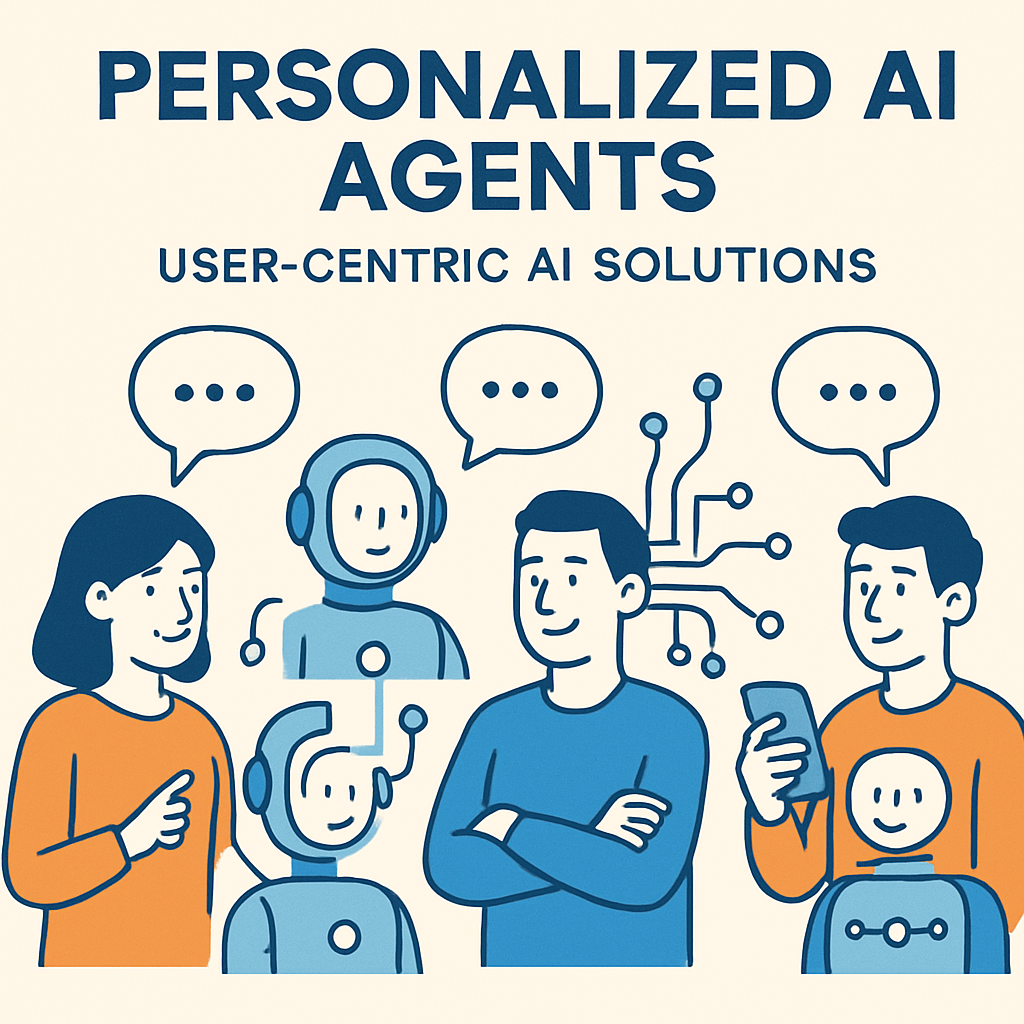
Babuschkin, who previously held positions at DeepMind and OpenAI, co-founded River AI with the ambition to redefine AI development. The company’s mission is to reconstruct the AI stack from the ground up, encompassing training methodologies, model architectures, product interfaces, and hardware solutions. This comprehensive approach aims to create AI agents that function as personalized assistants, tailored to individual users’ needs, rather than serving as replacements for human labor.
In June, River AI introduced its first product: an API that enables developers to fine-tune open-source models using reinforcement learning (RL) and low-rank adaptation (LoRA) techniques. This offering is designed to move beyond traditional prompt engineering by allowing users to train models that are truly personalized. The API is billed per million tokens, with rates varying based on the specific open model utilized.
The substantial funding underscores the growing interest in AI solutions that prioritize user-centric customization. River AI’s approach aligns with a broader industry trend where enterprises seek greater control over their AI models by integrating a mix of proprietary and open-source solutions. By facilitating efficient reinforcement learning processes without the need for extensive infrastructure, River AI positions itself as a valuable partner for organizations aiming to develop bespoke AI applications.
As the AI landscape continues to evolve, River AI’s focus on creating personalized, user-owned agents represents a significant shift from conventional AI development paradigms. The company’s substantial financial backing provides a strong foundation to pursue this innovative vision, potentially setting new standards for AI personalization and user empowerment.