Apple is developing a new feature called Apple Reference Image, designed to authenticate photos captured by iPhone cameras. This initiative aims to address the growing challenge of distinguishing genuine photographs from AI-generated or manipulated images.
In the latest iOS 27 beta 5, code references reveal that Apple Reference Image will utilize unique data tied to the iPhone’s camera hardware to verify the authenticity of photos. This approach aligns with Apple’s commitment to user privacy, as the system processes images through Private Cloud Compute without granting Apple access to the raw photos. Only specific sensor information and metadata are transmitted back to Apple for verification purposes.
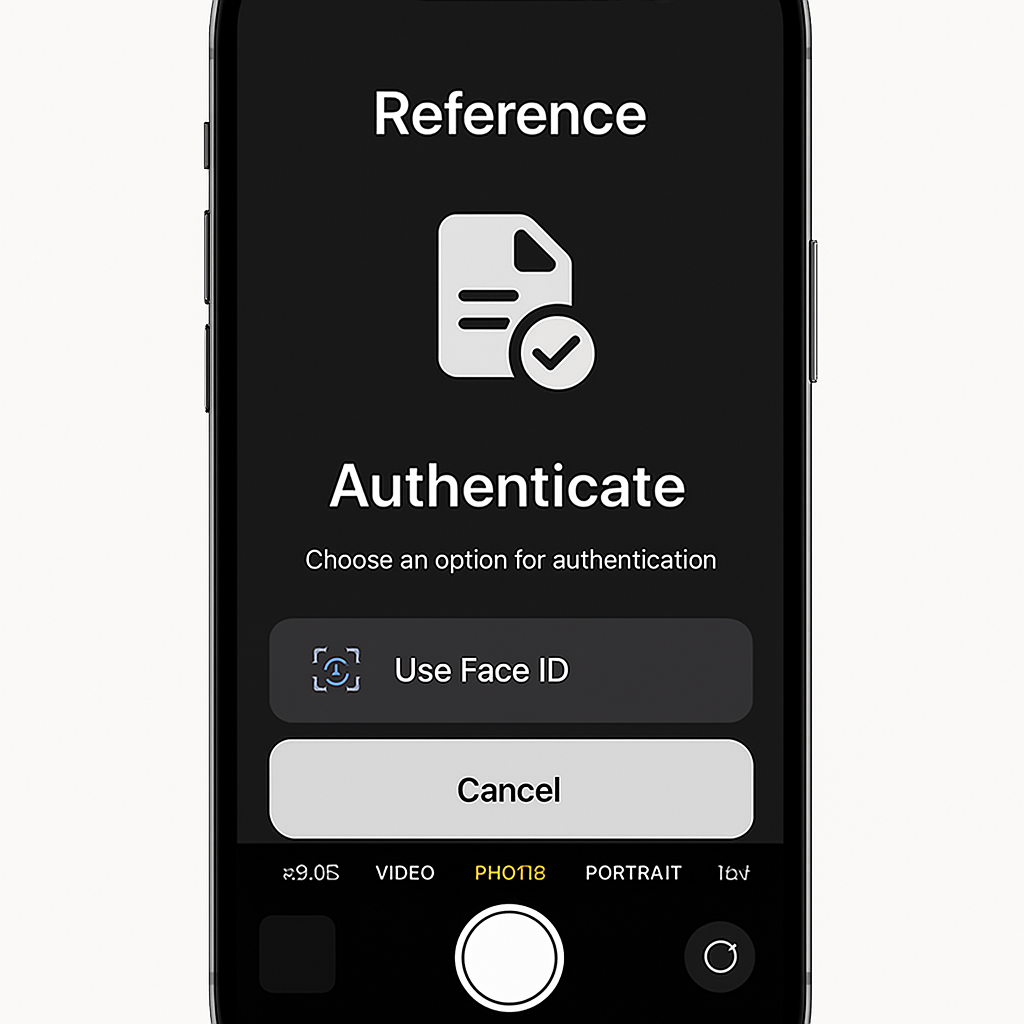
To use this feature, users must enable it via Settings > Camera > Reference Image and activate the new ‘Reference’ mode within the Camera app. Photos taken in this mode can later be authenticated by sending the raw image and associated provenance data to Private Cloud Compute, where Apple assigns a unique ID to the photo. Notably, if Apple detects that a camera sensor has been compromised, it may revoke prior authentications associated with that sensor.
Authenticated photos can be shared with others, whose Apple devices can locally verify the photo’s authenticity without informing Apple of the images being viewed. The information included during sharing may vary depending on the method used (e.g., AirDrop, Messages) and whether the photo is original, edited, or authenticated.
This development reflects a broader industry trend toward combating the proliferation of synthetic media. Companies like Google and Meta have introduced methods to identify AI-generated content, such as embedding imperceptible watermarks and labeling AI-generated media. Apple’s approach focuses on verifying the authenticity of photos at the point of capture, providing users with a tool to ensure the integrity of their images.
As digital manipulation becomes increasingly sophisticated, features like Apple Reference Image could play a crucial role in maintaining trust in visual media. Users should stay informed about the availability and functionality of this feature in future iOS updates, as it may become an essential tool for verifying the authenticity of photos in an era of advanced AI-generated content.