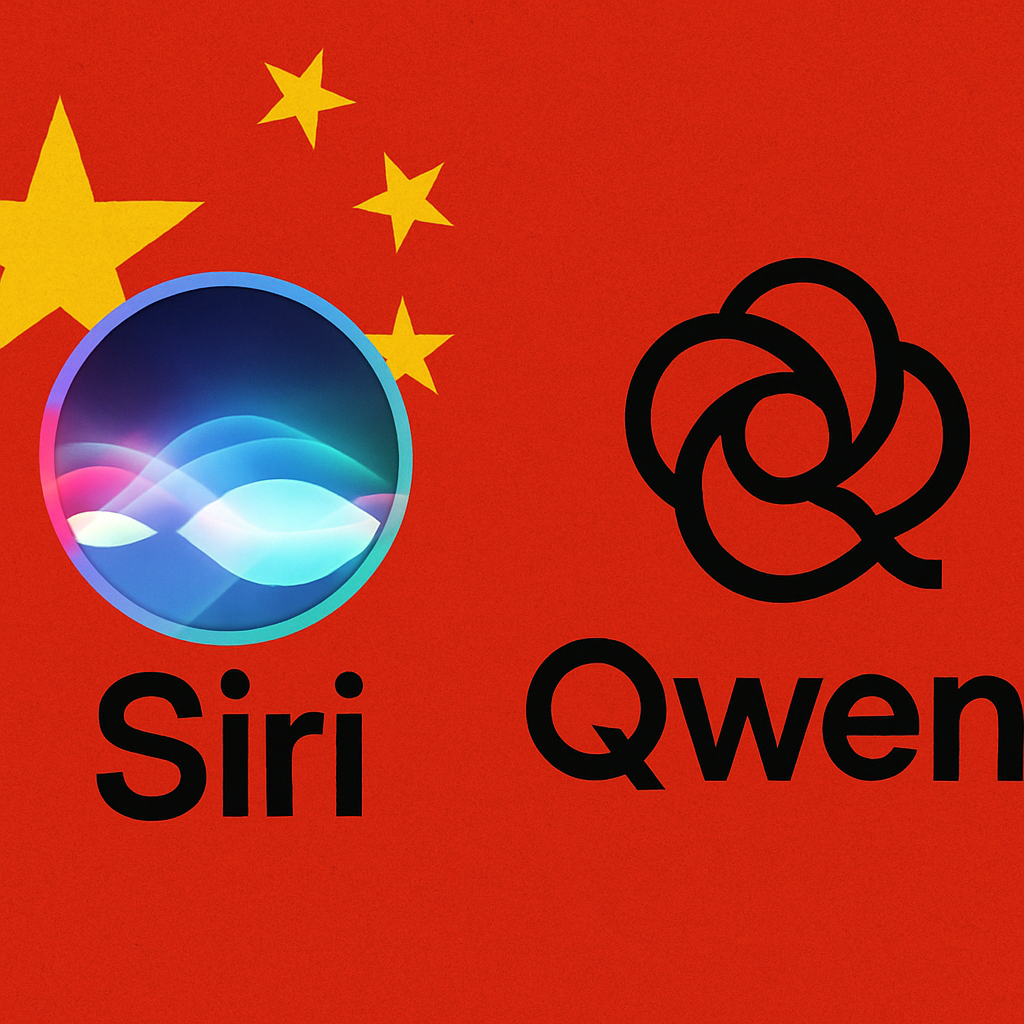
Apple has disclosed that its new Siri AI features in China will be powered by Alibaba’s Qwen models. This development comes as a result of Chinese regulations that mandate the use of domestic AI technologies, diverging from Apple’s global partnership with Google’s Gemini models.
In most regions, Apple’s Siri AI enhancements utilize Google’s Gemini models, operating on Apple’s Private Cloud Compute (PCC) servers or dedicated Google servers. These configurations are designed to ensure user privacy, with stringent measures preventing both Apple and Google from accessing user interactions.
However, China’s legal framework requires Apple to collaborate with local AI providers. Consequently, Apple has partnered with Alibaba to integrate the Qwen models into Siri’s functionality within the country. This integration is detailed in an updated Chinese-language guide, which specifies that users opting in can leverage Qwen through Siri for tasks such as analyzing photos and documents, as well as generating text or images based on descriptions.
A notable aspect of this implementation is that Mac users in China will need to create and sign into a Qwen account to access these features. This requirement suggests a departure from the privacy safeguards present in other regions, as it implies that user data may be subject to monitoring by local authorities.
Apple’s decision to comply with China’s regulatory demands underscores the complexities multinational tech companies face when operating in markets with stringent data control laws. While this approach enables Apple to offer advanced AI capabilities to Chinese users, it also raises significant privacy concerns. Users in China should be aware of the potential implications for their data privacy and consider these factors when utilizing Siri’s AI features.