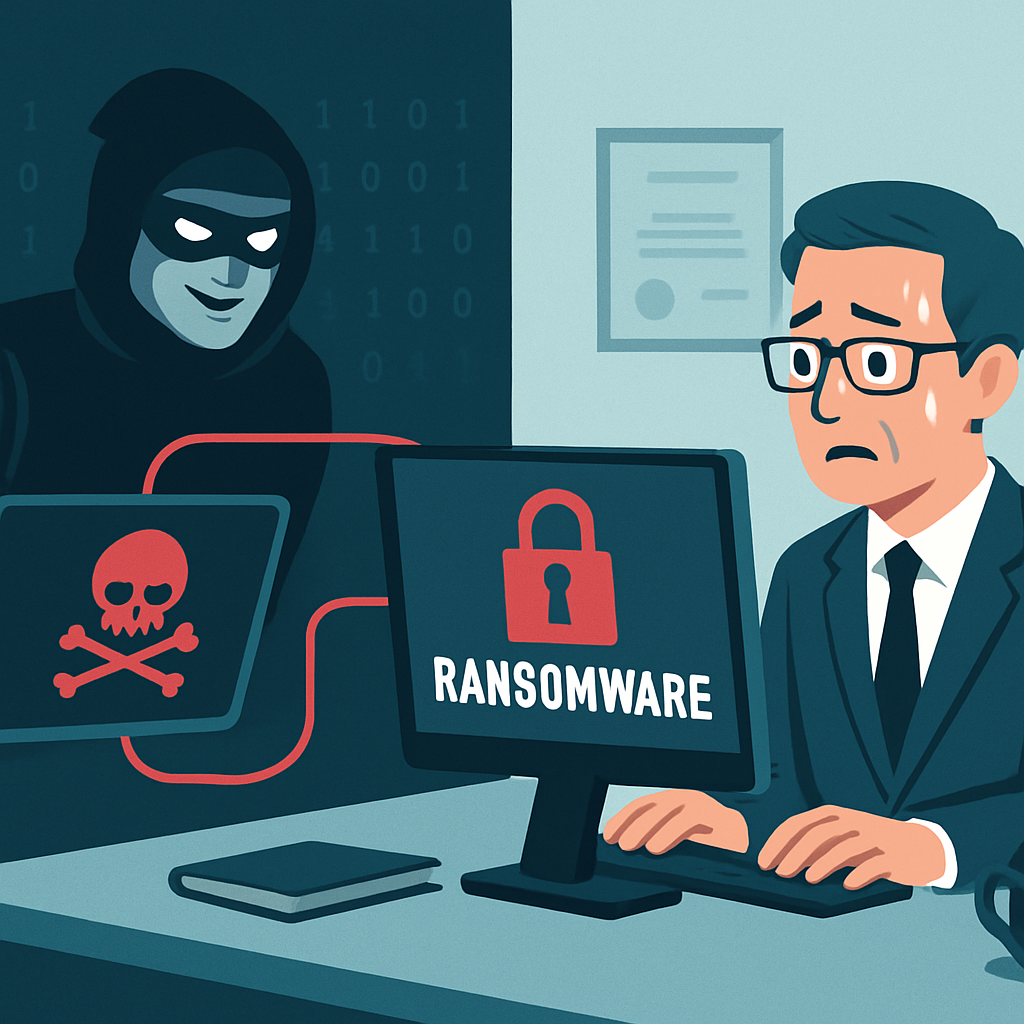
Recent analyses reveal a concerning trend in ransomware attacks: cybercriminals are increasingly targeting managerial-level employees to gain deeper access into corporate networks. By compromising accounts of managers, attackers can exploit their elevated access to sensitive information, including contracts, payment systems, customer records, and internal communications. This strategy enhances the credibility of fraudulent requests and facilitates more extensive data breaches.
Security researchers have observed that even accounts with standard workplace access can be leveraged by attackers to study company operations, collect confidential files, and prepare for broader attacks culminating in data theft or system encryption. A notable campaign tracked 351 victims across 334 organizations within a single month, highlighting the effectiveness of this approach. The attackers’ deliberate focus on managerial accounts underscores the value they place on business influence alongside technical privileges.
Managers as Prime Targets
Data indicates that 62% of compromised individuals held manager-level titles or higher. Managers’ roles often encompass approving payments, overseeing vendor relationships, reviewing budgets, accessing critical records, and coordinating interdepartmental activities. This level of access makes their accounts particularly attractive to cybercriminals.
Demographically, the largest share of victims, 44%, belonged to Generation X, with an average age of 46, spanning from 23 to 70 years old. This group typically occupies senior positions with significant decision-making authority. Functionally, approximately 75% of victims worked in accounting and finance, sales, operations, human resources, or marketing—departments that handle sensitive financial data, contracts, and internal processes.
Industry-wise, industrial companies accounted for 35.5% of victims, followed by information technology organizations at 14.6%. In these sectors, unauthorized access can compromise systems supporting manufacturing, distribution, logistics, intellectual property, and digital services.
Mitigating the Threat
To counteract this threat, organizations should implement role-based access controls that limit employees’ access to only the data and systems necessary for their job functions. This approach minimizes potential damage from compromised accounts and restricts the utility of stolen credentials.
Additionally, companies should enforce strict verification protocols for IT support requests, especially those received through collaboration platforms. Employees should be trained to authenticate unusual IT requests via trusted internal channels to prevent social engineering attacks.
Continuous monitoring of user activities, devices, applications, remote-access tools, and data transfers is crucial. Security teams should be vigilant for signs of unauthorized access or data exfiltration. In the event of a manager’s account compromise, organizations must have an incident response plan that includes rapid password resets, session terminations, access reviews, and thorough investigations to identify and mitigate related breaches.
This trend highlights the evolving tactics of ransomware attackers who are now prioritizing managerial accounts to exploit their broader access and influence within organizations. Proactive security measures and heightened awareness are essential to defend against these sophisticated threats.