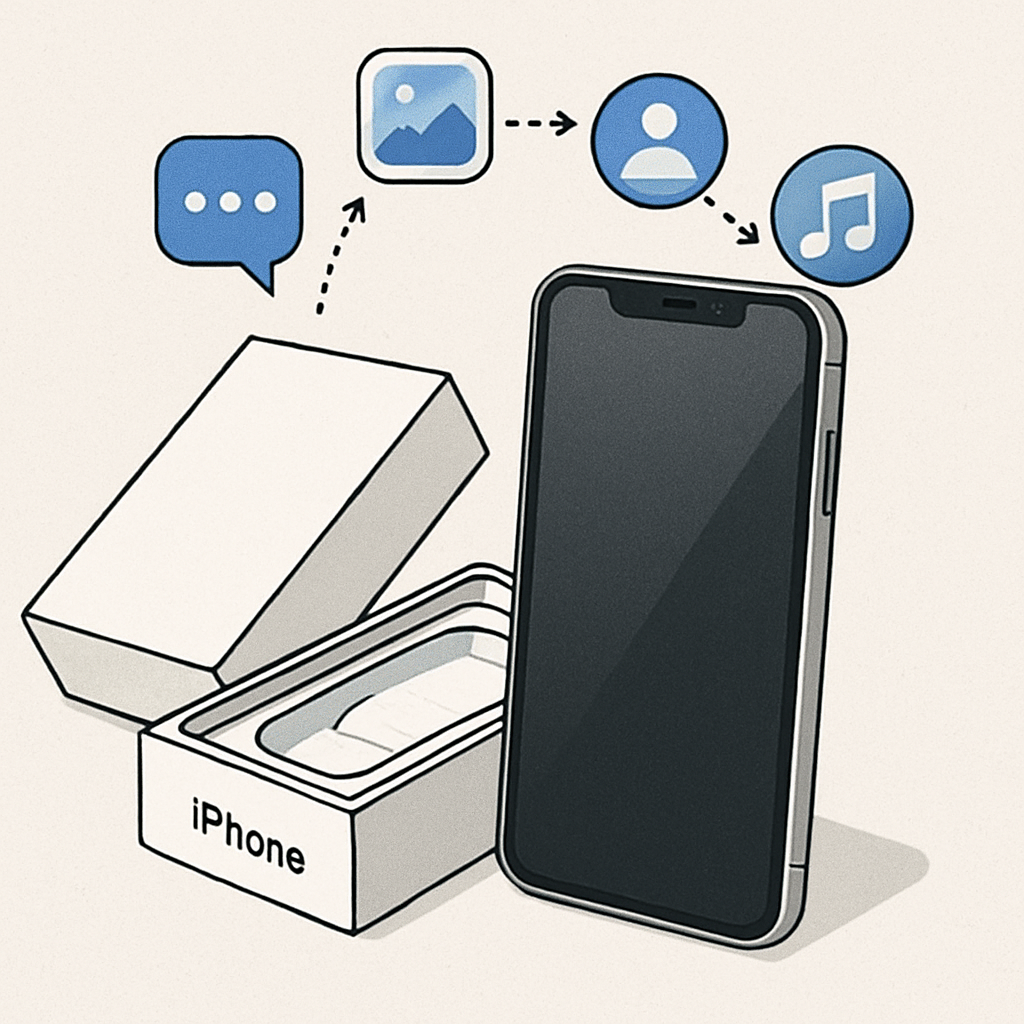
Apple had considered a feature for its Apple Upgrade program that would have significantly streamlined the process of setting up new devices. The idea was to deliver new iPhones preloaded with users’ data from their iCloud backups, making the transition to a new device nearly effortless. However, this feature was ultimately not implemented.
The proposed system aimed to enhance the Apple Upgrade experience by reducing the steps required for users to set up their new devices. By preloading data onto the new iPhone before delivery, customers could have started using their devices immediately upon unboxing, without the need for manual data transfer or setup.
Despite the potential convenience, several challenges likely influenced Apple’s decision to abandon this feature. One significant concern was data freshness. Since the data transfer would occur at the time of shipping, the preloaded information could be outdated by the time the device reached the customer, especially if there were delays in delivery. This lag could result in users missing recent messages, photos, or app data, thereby diminishing the effectiveness of the preloading process.
Privacy and security considerations also played a crucial role. While iCloud backups are encrypted and Apple maintains strict privacy standards, the idea of having personal data transferred and stored on a device before it reaches the user might raise concerns. Customers could be apprehensive about potential unauthorized access or data breaches during the shipping process.
In 2024, Apple introduced a system called ‘Presto’ in its retail stores, allowing employees to update iPhones while they remained sealed in their boxes. This technology demonstrated Apple’s capability to perform device configurations without unsealing the packaging. However, extending this system to include preloading personal data from iCloud backups would have introduced additional complexities and potential risks.
Ultimately, Apple decided not to proceed with this preloading feature. While the concept offered a more seamless setup experience, the challenges related to data timeliness, privacy, and security outweighed the potential benefits. Instead, Apple continues to focus on enhancing the user experience through other means, such as improving data transfer speeds and simplifying the setup process via existing methods.
This decision underscores the delicate balance tech companies must maintain between innovation and user trust. While streamlining device setup is a desirable goal, it cannot come at the expense of data security and privacy. As technology evolves, it will be interesting to see how companies like Apple navigate these challenges to deliver both convenience and security to their customers.