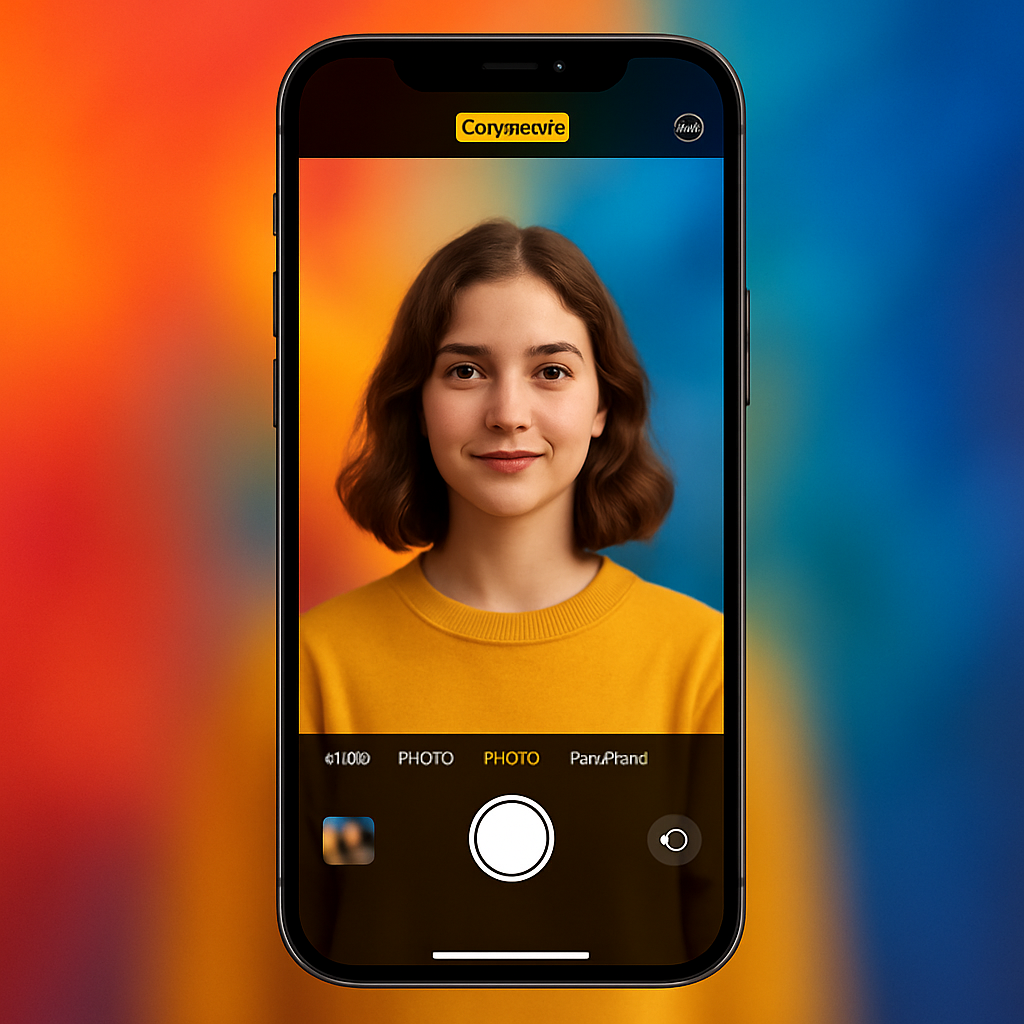
When Apple introduced the iPhone 13 in 2021, one of the standout features was Cinematic mode—a video recording capability designed to emulate the shallow depth of field and focus transitions characteristic of professional filmmaking. This feature allowed users to select a focus point and blur the background, bringing a cinematic quality to their videos.
In contrast, Portrait mode for still photography has seen significant enhancements over the years. Initially, it used computational photography to simulate shallow depth of field by measuring the relative distance of subjects and applying artificial blur to the background. Over time, Apple refined this feature, incorporating LiDAR sensors and improving its performance, even in low-light conditions. Today, Portrait mode delivers results that are often indistinguishable from those produced by traditional cameras.
However, the same cannot be said for Cinematic mode. Despite its promising debut, the feature has not received the same level of attention or development. While it has seen minor improvements, it remains largely unchanged and struggles to perform consistently outside of ideal conditions. This stagnation suggests that Apple may have deprioritized or even abandoned further development of Cinematic mode.
Apple’s initial enthusiasm for Cinematic mode was evident. The company showcased the feature with a short film to demonstrate its capabilities, highlighting its potential for both amateur and professional videographers. Yet, real-world usage revealed limitations, and subsequent iPhone releases have not brought significant advancements to this feature.
Neglecting Cinematic mode is a missed opportunity for Apple. Video content continues to dominate digital platforms, and users are increasingly seeking tools that enhance their creative expression. By not investing in the development of Cinematic mode, Apple risks falling behind competitors who are advancing their video recording technologies. To maintain its leadership in smartphone photography and videography, Apple should reconsider its approach and prioritize the enhancement of Cinematic mode in future iPhone iterations.