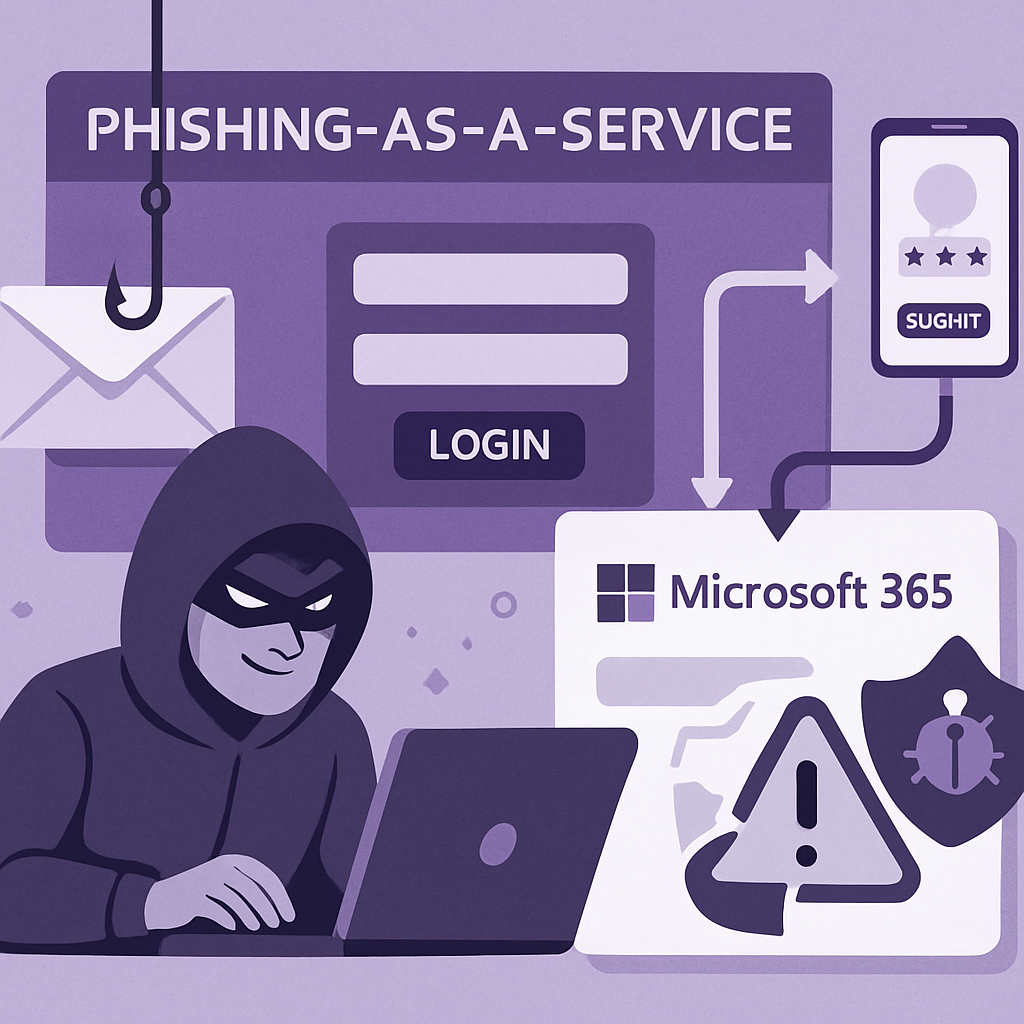
A sophisticated phishing-as-a-service (PhaaS) platform known as Greatness has emerged, enabling cybercriminals to bypass multi-factor authentication (MFA) and gain unauthorized access to Microsoft 365 accounts. This development underscores the evolving tactics of threat actors who exploit both technical vulnerabilities and human trust to infiltrate organizational systems.
Greatness operates by providing attackers with ready-made phishing kits, configurable domains, and tools specifically designed to target Microsoft 365, iCloud, Yahoo, and Google Workspace users. The platform’s services include real-time login relays and device-code phishing, all managed through a centralized operator service accessible via Telegram.
In recent campaigns, attackers have utilized emails impersonating trusted brands, such as RingCentral, to deliver phishing messages. These emails often contain voicemail notifications or performance review prompts, enticing recipients to click on malicious links. Despite failing standard email authentication checks like SPF, DKIM, and DMARC, these messages can still reach inboxes due to misconfigured domain-based safe-sender lists, which inadvertently allow such emails to bypass security filters.
Once a recipient clicks on the link, they are redirected through multiple stages designed to evade automated detection systems. The final destination is a phishing page that closely mimics the legitimate Microsoft 365 login portal, complete with the target organization’s branding. Here, the victim is prompted to enter their credentials and complete the usual MFA process. Unbeknownst to them, Greatness acts as a live relay, capturing the authentication token issued during this process. This token grants attackers access to the victim’s Microsoft 365 account without needing to bypass MFA directly.
The implications of such unauthorized access are significant. With a valid authentication token, attackers can infiltrate various Microsoft 365 services, including Outlook, Teams, SharePoint, OneDrive, calendars, contacts, and registered applications. This access facilitates further fraudulent activities, internal phishing campaigns, and potential data breaches within the compromised organization.
To mitigate the risks posed by platforms like Greatness, organizations must adopt a multi-faceted approach to email security and user authentication. Regular audits of safe-sender lists and transport-rule exclusions are essential to ensure that only trusted domains with proper authentication mechanisms are allowed. Implementing advanced email filtering solutions that analyze the alignment between the sender, claimed brand, and destination domain can help detect and block phishing attempts more effectively.
Furthermore, security teams should proactively monitor for signs of compromise, such as unexpected OAuth application consents, unfamiliar sign-ins that have passed MFA, and the presence of unauthorized Laravel cookies. In the event of a suspected breach, it is crucial to revoke active sessions in Entra ID and conduct a thorough review of all access logs to identify and remediate any unauthorized activities.
The emergence of PhaaS platforms like Greatness highlights the need for continuous vigilance and adaptation in cybersecurity strategies. As attackers develop more sophisticated methods to circumvent traditional security measures, organizations must stay informed about evolving threats and implement comprehensive defenses that address both technical vulnerabilities and human factors.
In conclusion, the rise of services like Greatness signifies a troubling trend in cybercrime, where the commodification of phishing tools lowers the barrier to entry for attackers. Organizations must prioritize robust security configurations, employee training, and proactive monitoring to defend against these advanced threats. By understanding the tactics employed by such platforms and implementing layered security measures, businesses can better protect their digital assets and maintain the integrity of their systems.