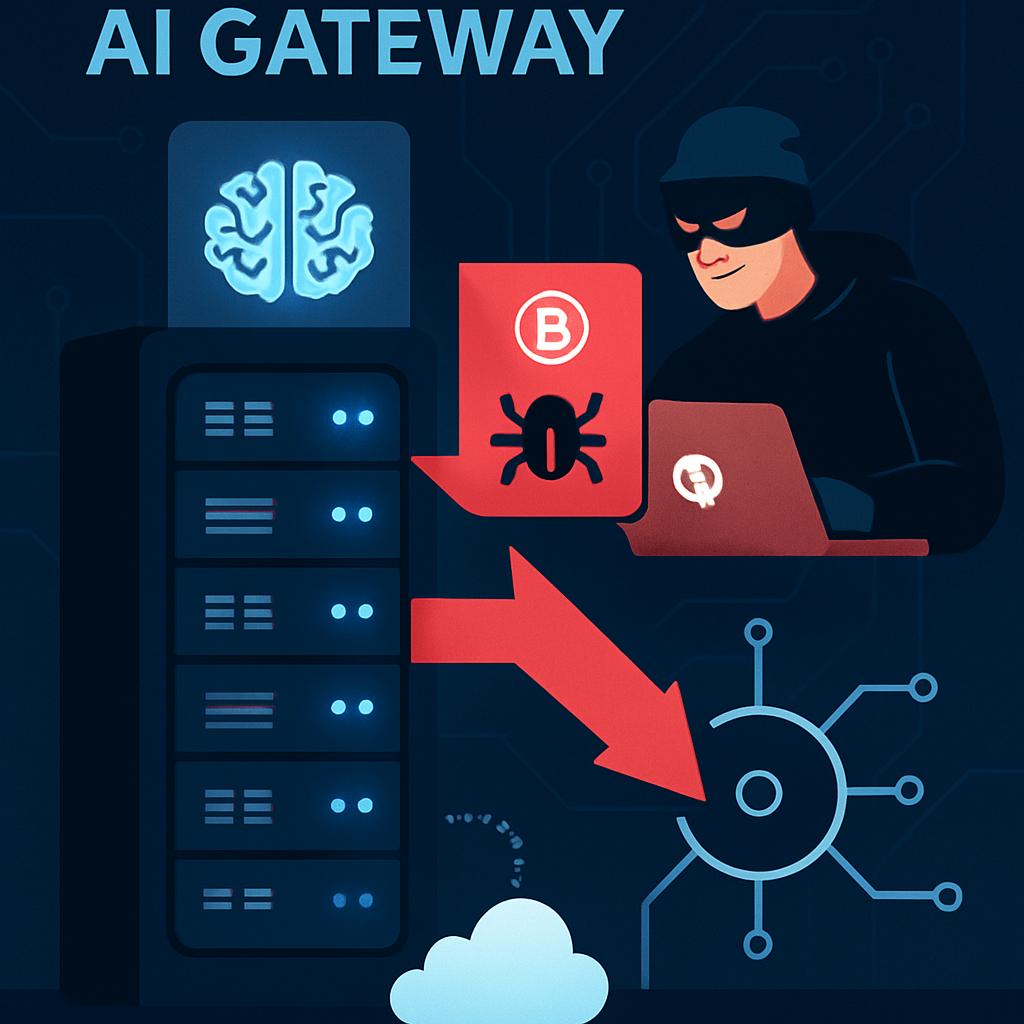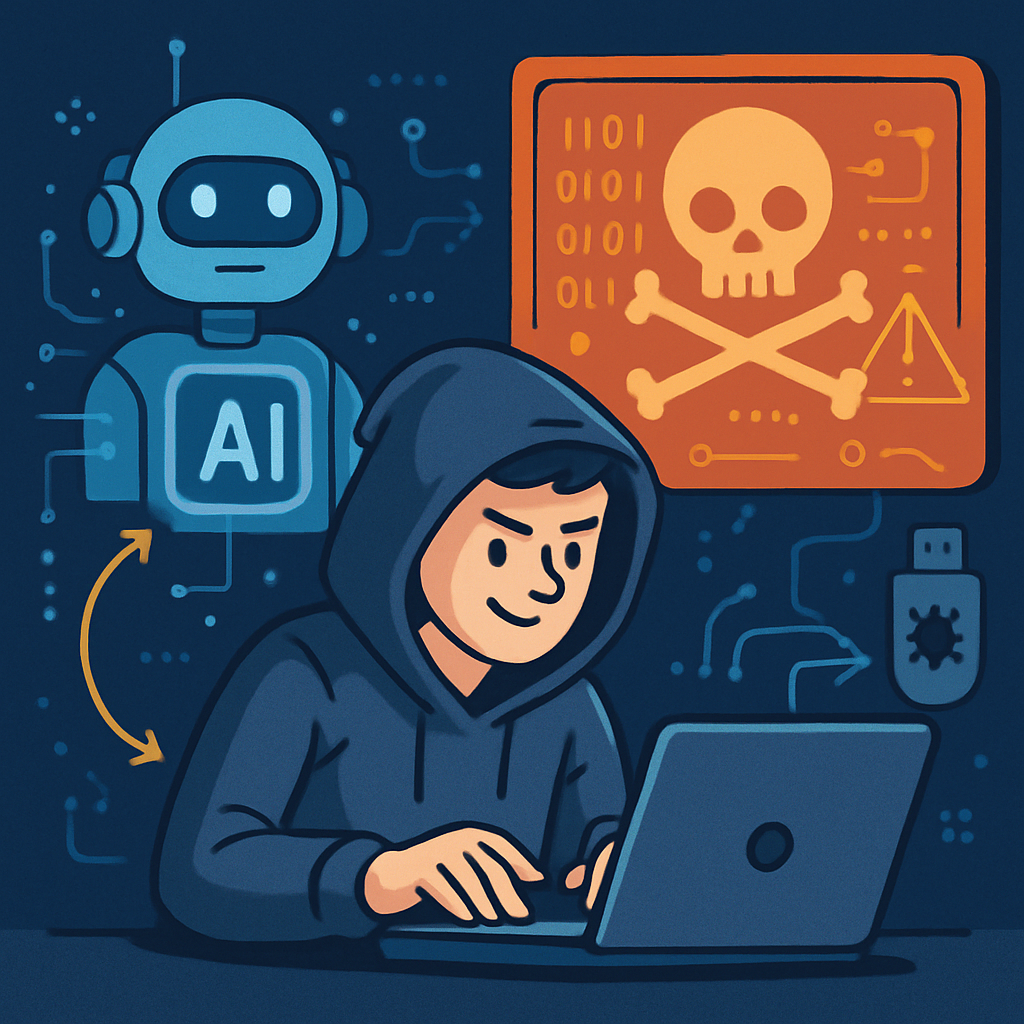
The cybersecurity landscape is undergoing a significant transformation as generative AI technologies empower individuals with limited technical expertise to execute sophisticated cyberattacks. Traditionally, the ability to conduct such attacks was confined to those with extensive technical knowledge. However, AI is now bridging this gap, enabling a broader range of actors to engage in cyber activities that were once beyond their capabilities.
Historically, the threat hierarchy in cybersecurity placed nation-state actors at the top, followed by organized crime groups, with so-called “script kiddies”—individuals using pre-existing tools without deep understanding—at the bottom. This structure is being disrupted as AI tools provide real-time assistance, allowing users to comprehend complex vulnerabilities, generate exploit code, and adapt known attack methods to new targets with unprecedented speed and efficiency.
This shift is fundamentally altering the economics of cyberattacks. Previously, understanding and exploiting a new vulnerability could take weeks of dedicated research. Now, AI can condense this process into minutes by summarizing technical documents, elucidating exploit mechanisms, and even generating prototype code. While AI doesn’t replace the nuanced judgment and creativity of seasoned hackers, it significantly lowers the entry barrier, resulting in a surge of capable attackers.
The term “script kiddie” no longer accurately describes these emerging threats. Modern attackers often collaborate with AI assistants, iteratively refining their methods, debugging code, and customizing attacks to specific environments. This approach mirrors the concept of “vibe coding” in software development, where natural language prompts lead to functional code. In the realm of cybersecurity, this phenomenon can be termed “vibe hacking,” where intent is translated into effective offensive actions through AI interaction.
Organizations can no longer rely on the scarcity of highly skilled attackers as a defense strategy. With AI enabling more individuals to perform complex offensive tasks, defenders must anticipate increased experimentation, rapid adaptation, and a higher volume of attacks. The focus should shift from merely identifying vulnerabilities to continuously validating and reinforcing defenses, ensuring they remain robust against this evolving threat landscape.
In this new era, traditional methods like periodic penetration testing and vulnerability scanning are insufficient. Organizations must adopt continuous validation strategies to proactively identify and mitigate potential weaknesses before they can be exploited. This proactive approach is essential to stay ahead in a landscape where AI is democratizing cyberattack capabilities.
As AI continues to evolve, its role in cybersecurity will likely expand, presenting both challenges and opportunities. While it empowers defenders with advanced tools for threat detection and response, it simultaneously equips adversaries with capabilities that were previously out of reach. Staying informed about these developments and adapting security strategies accordingly is crucial for organizations aiming to protect their assets in this rapidly changing environment.