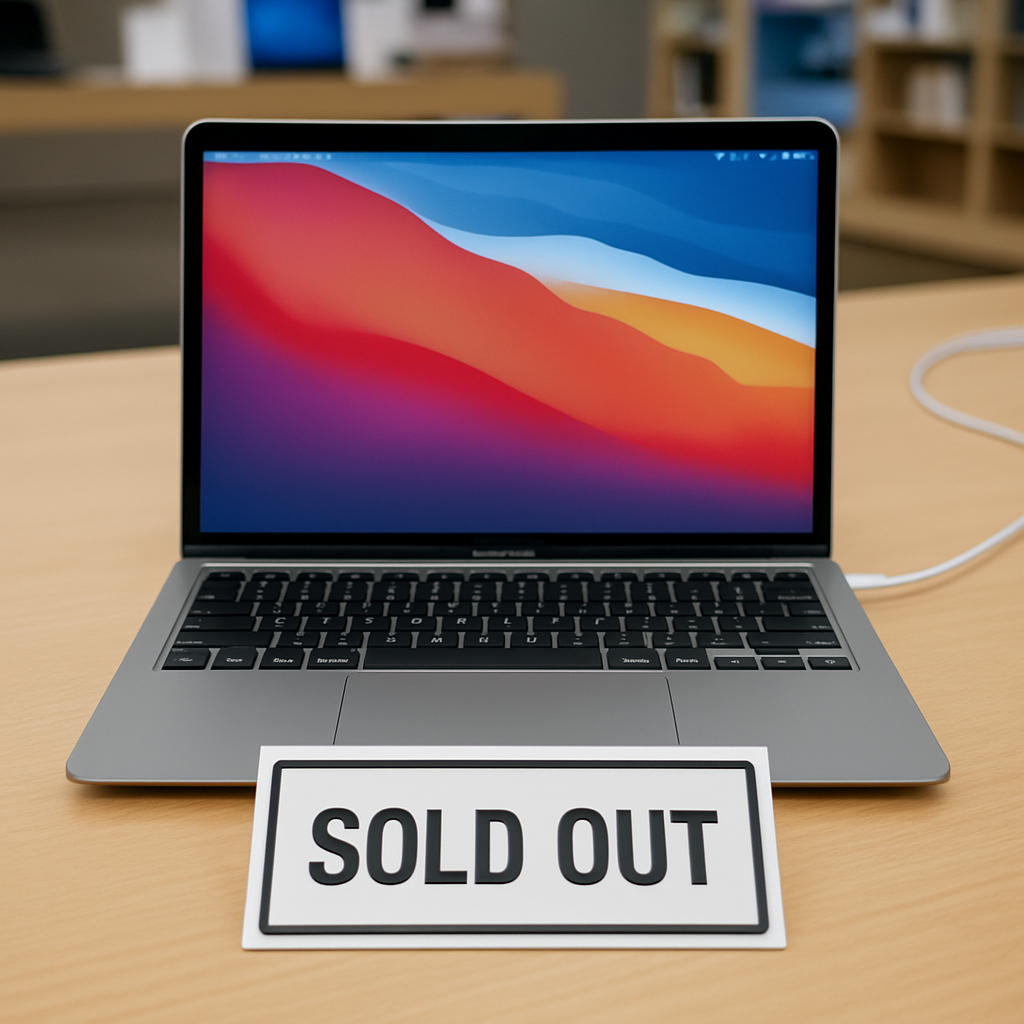
The consumer electronics industry is grappling with significant supply chain disruptions, particularly affecting Apple’s MacBook Air. The surge in demand for high-bandwidth memory (HBM) by AI data centers has led to a scarcity of consumer-grade memory and storage components, resulting in increased prices and limited availability of products like the MacBook Air.
Since the beginning of the year, prices for SSDs and DDR5 RAM have escalated. In response, Apple raised the MacBook Air’s price from $999 to $1,099 in March, coinciding with the release of the M5 model. This adjustment included an upgrade in base storage from 256GB to 512GB. However, in June, Apple further increased the price to $1,299 to offset rising memory and storage costs. Despite these measures, the company continues to face challenges in maintaining adequate stock levels for the MacBook Air.
Current orders for the MacBook Air are experiencing delays, with estimated delivery times extending to the end of the month. Retail sources have described the supply constraints as more severe than any in recent memory. Apple’s recent back-to-school promotional materials also highlight that the MacBook Air is subject to availability, an uncommon disclaimer for products at this stage in their lifecycle.
Industry insiders attribute the MacBook Air’s supply issues primarily to the ongoing memory shortage. Additionally, Apple is reportedly prioritizing the production and sales of the entry-level 14-inch MacBook Pro, potentially to clear inventory ahead of an anticipated M6 refresh in the fall. Consequently, a new MacBook Air model may not be introduced until a later date.
Looking ahead, Apple anticipates continued supply constraints impacting sales in upcoming quarters and has signaled the possibility of further price adjustments to balance demand. Consumers seeking to purchase a MacBook Air may face challenges in securing the product at current prices and availability.
The broader industry context reveals that the AI-driven demand for memory is not only affecting consumer electronics but also causing a ripple effect across various sectors. For instance, the smartphone market is projected to experience a 13% decline in sales in 2026 due to memory shortages, as AI companies prioritize HBM for data centers over consumer devices. This trend underscores the far-reaching implications of the current memory crisis.
In summary, the MacBook Air’s supply shortages highlight the broader challenges facing the consumer electronics industry amid an AI-driven memory crisis. As AI infrastructure continues to expand, the competition for memory resources is likely to persist, potentially leading to further price increases and product availability issues. Consumers and industry stakeholders should remain vigilant and adaptable in navigating this evolving landscape.