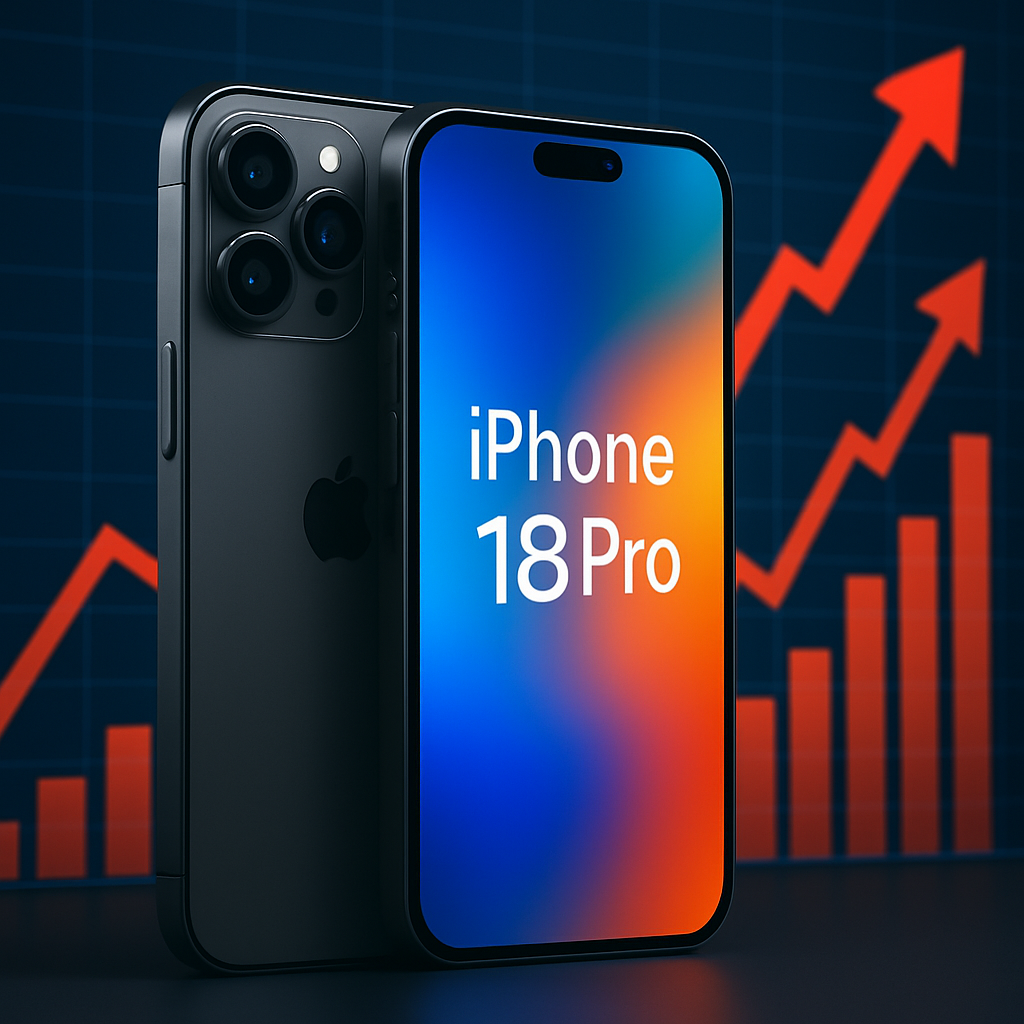
Apple’s upcoming iPhone 18 Pro is anticipated to debut with a starting price of approximately $1,399, marking a significant increase from its predecessor. This projection aligns with earlier estimates and reflects the escalating costs of key components.
In June, reports indicated that Apple acknowledged impending price hikes due to unprecedented increases in RAM and storage expenses. Analysts estimated that to maintain its typical profit margins, Apple would need to set the iPhone 18 Pro’s starting price between $1,299 and $1,399. This calculation considered the rising costs of memory and storage, as well as anticipated camera system upgrades.
More recently, analyst Jeff Pu corroborated these expectations, predicting that both the iPhone 18 Pro and Pro Max models would see price increases ranging from $250 to $300. This adjustment would position the iPhone 18 Pro’s starting price between $1,349 and $1,399, and the Pro Max between $1,449 and $1,499. Pu attributes these increases to higher costs associated with the A20 Pro chip, LPDDR5X memory, and NAND storage, noting that the latter two components are expected to cost Apple approximately three times more than in previous years.
Historically, Apple has maintained consistent pricing for its flagship devices, even amid rising component costs. However, the current surge in expenses presents a unique challenge. While the company could choose to absorb some of these costs to keep prices stable, recent trends suggest that passing the increases onto consumers is more likely.
For consumers, this potential price hike raises questions about the value proposition of upgrading to the latest model. The iPhone 18 Pro is expected to offer significant enhancements, particularly in camera technology, but the higher price point may prompt buyers to weigh these improvements against the increased cost.
As the official announcement approaches, it will be crucial to monitor how Apple positions the iPhone 18 Pro in the market and how consumers respond to the new pricing strategy. This development also underscores the broader impact of supply chain dynamics on consumer electronics pricing, highlighting the delicate balance companies must maintain between innovation, cost management, and market competitiveness.