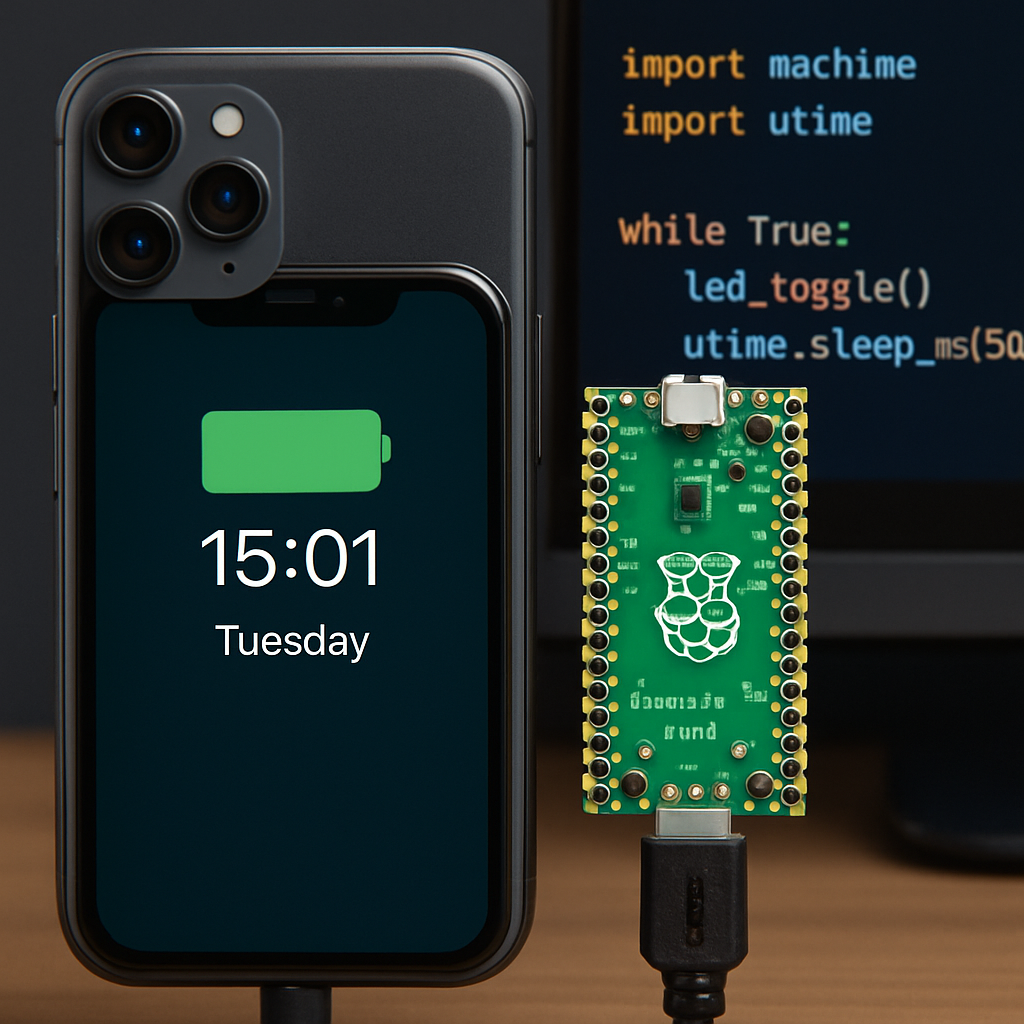
Security researchers have successfully jailbroken iOS 27 on an iPhone 11 Pro by leveraging the usbliter8 SecureROM exploit in conjunction with a customized firmware workflow. This achievement highlights the persistent vulnerabilities in Apple’s hardware, particularly within the SecureROM of A12 and A13 processors.
The usbliter8 exploit targets the immutable SecureROM code embedded in Apple’s A12 and A13 chips. By exploiting this vulnerability, attackers can bypass the standard boot chain restrictions, allowing for the execution of unauthorized code. This method requires physical access to the device in Device Firmware Upgrade (DFU) mode and the use of specialized hardware to establish a USB connection.
In this particular demonstration, researchers utilized an RP2350-based Raspberry Pi Pico 2 configured as a USB exploit device. Once the iPhone 11 Pro was placed into the compromised DFU state, identified by the USB serial marker PWND:[usbliter8], they were able to load modified boot components and restore a custom iOS image. This process effectively bypassed several of iOS’s security controls, including USB Restricted Mode, sandbox execution restrictions, and Apple Mobile File Integrity trust-cache checks.
However, it’s important to note that this jailbreak is highly experimental and comes with significant limitations. The process can erase the device and disrupt essential services such as the Secure Enclave Processor functions, passcode support, Wi-Fi, baseband connectivity, Bluetooth, and Apple services. Consequently, the researchers have explicitly warned against attempting this procedure on primary devices.
This development underscores the enduring security challenges posed by hardware-level vulnerabilities. While the usbliter8 exploit requires physical access and technical expertise, it enables researchers to study devices outside of Apple’s standard chain of trust, even on newer iOS versions like iOS 27. This situation highlights the need for continuous vigilance and prompt patching of hardware vulnerabilities to maintain device security.