Apple is gearing up for a significant refresh of its Mac lineup over the next two years, introducing 11 new models across various categories. This ambitious plan comes amid a resurgence in Mac sales, driven in part by increased demand from users engaged in intensive AI workloads.
Upcoming Mac Releases
The overhaul is set to commence this fall with the release of a refreshed entry-level 14-inch MacBook Pro and the first new iMacs in two years. The anticipated models include:
- Entry-Level 14-inch MacBook Pro (Fall 2026): This model will be among the first to feature Apple’s new M6 chip, offering enhanced performance for everyday users.
- iMac (Fall 2026): After a two-year hiatus, the iMac is set to return with updated specifications and design improvements.
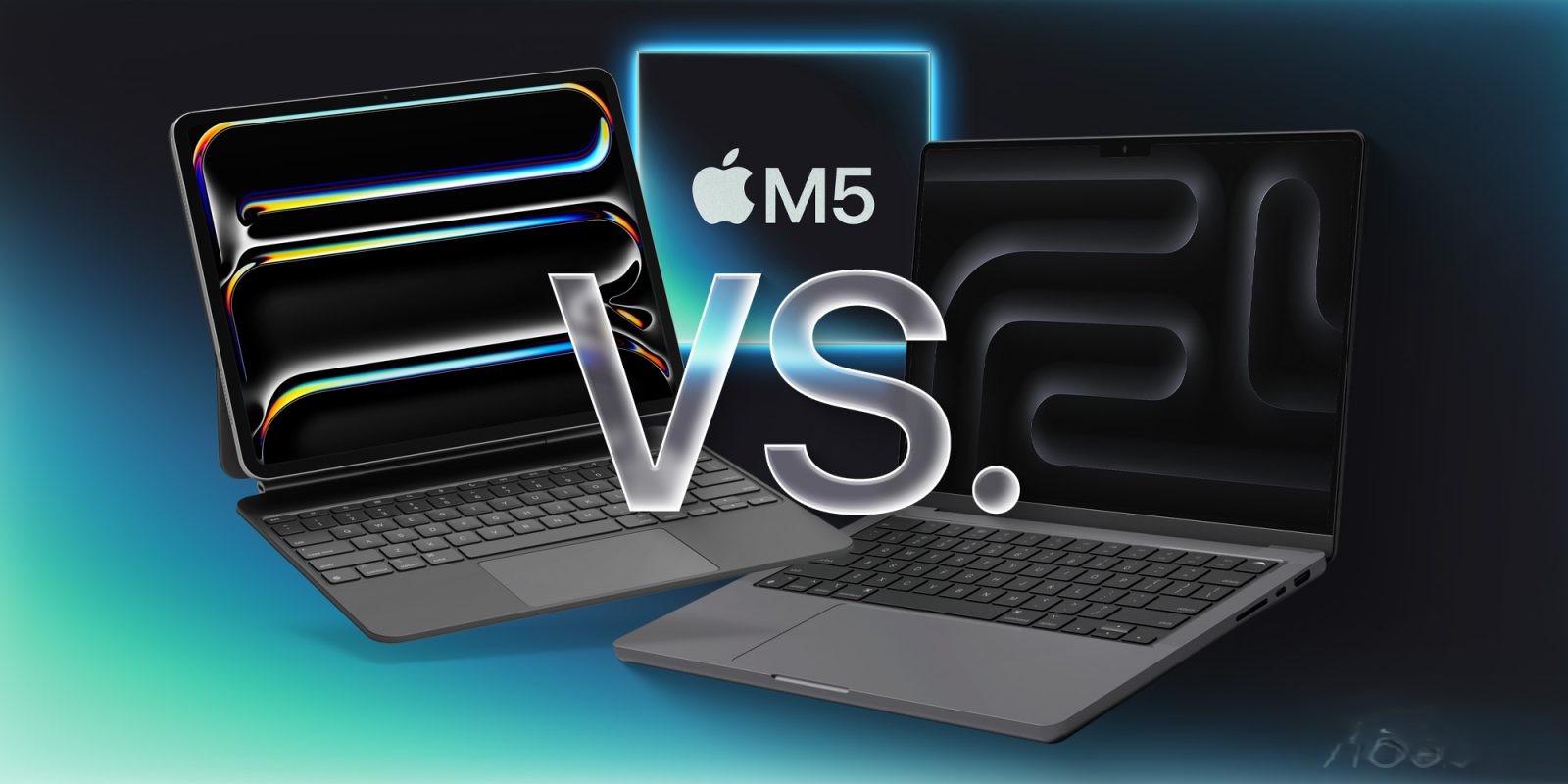
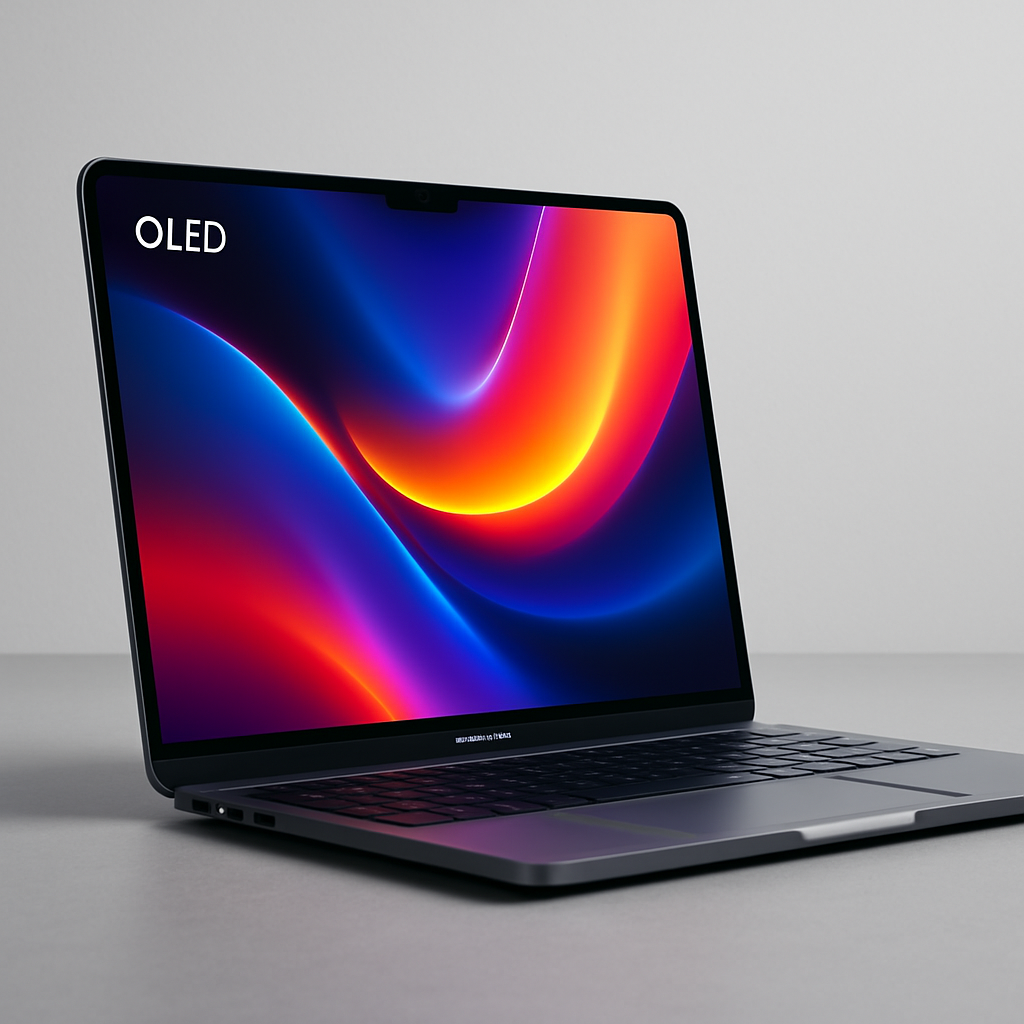
- High-End 14-inch and 16-inch MacBook (Late 2026 to Early 2027): These models will introduce an all-new design featuring OLED touchscreens and will be powered by M5 Pro and M5 Max chips.
- MacBook Air (Early 2027): Both 13-inch and 15-inch versions are expected, maintaining the sleek design of current models while incorporating internal upgrades.
- Entry-Level 14-inch MacBook Pro (2027): This model will resemble the high-end versions but will be equipped with a standard M7 chip.
- MacBook Neo (Timing Unclear): A new budget-friendly laptop utilizing an A19 Pro chip and offering increased memory, with periodic refreshes introducing new color options.
- High-End MacBook Successor (Late 2027 to Early 2028): Building upon the previous high-end models, this version will transition to M7 Pro and M7 Max chips.
- OLED MacBook Air (2028 Earliest): A future iteration of the MacBook Air featuring an OLED display, suggesting a potential redesign.
- OLED iMac (Timing Unclear): An upcoming iMac model incorporating OLED screen technology, aligning with advancements in the MacBook and MacBook Air lines.
Supply Chain and Production Considerations
Development for the refreshed iMacs and the entry-level MacBook Pro is reportedly complete, with shipments expected in the fall. However, the high-end MacBook with an OLED touchscreen is still in the testing phase, running macOS 27.1, which is slated for release at the end of October.
Apple’s Mac mini and Mac Studio have gained popularity among users running AI applications due to their robust processing capabilities. This surge in demand has led to supply constraints, with new orders for some current models facing shipping delays of at least three months. Apple CEO Tim Cook acknowledged in April that the company could not meet the demand for these products, indicating ongoing supply chain challenges.
In addition to hardware updates, Apple has recently implemented price increases across its Mac lineup. The MacBook Neo now starts at $699, up from $599, while the 13-inch MacBook Air has risen to $1,299 from $1,099. The 15-inch MacBook Air is now priced at $1,499, up from $1,299. These adjustments reflect rising component costs and broader economic factors affecting the tech industry.
Apple’s strategic focus on integrating advanced AI capabilities into its Mac lineup underscores the company’s commitment to staying at the forefront of technological innovation. By accelerating the development of AI-centric M7 chips and introducing OLED displays, Apple aims to enhance user experiences and meet the evolving demands of both general consumers and professionals engaged in AI and machine learning tasks. This comprehensive overhaul positions Apple to maintain its competitive edge in the rapidly evolving personal computing market.