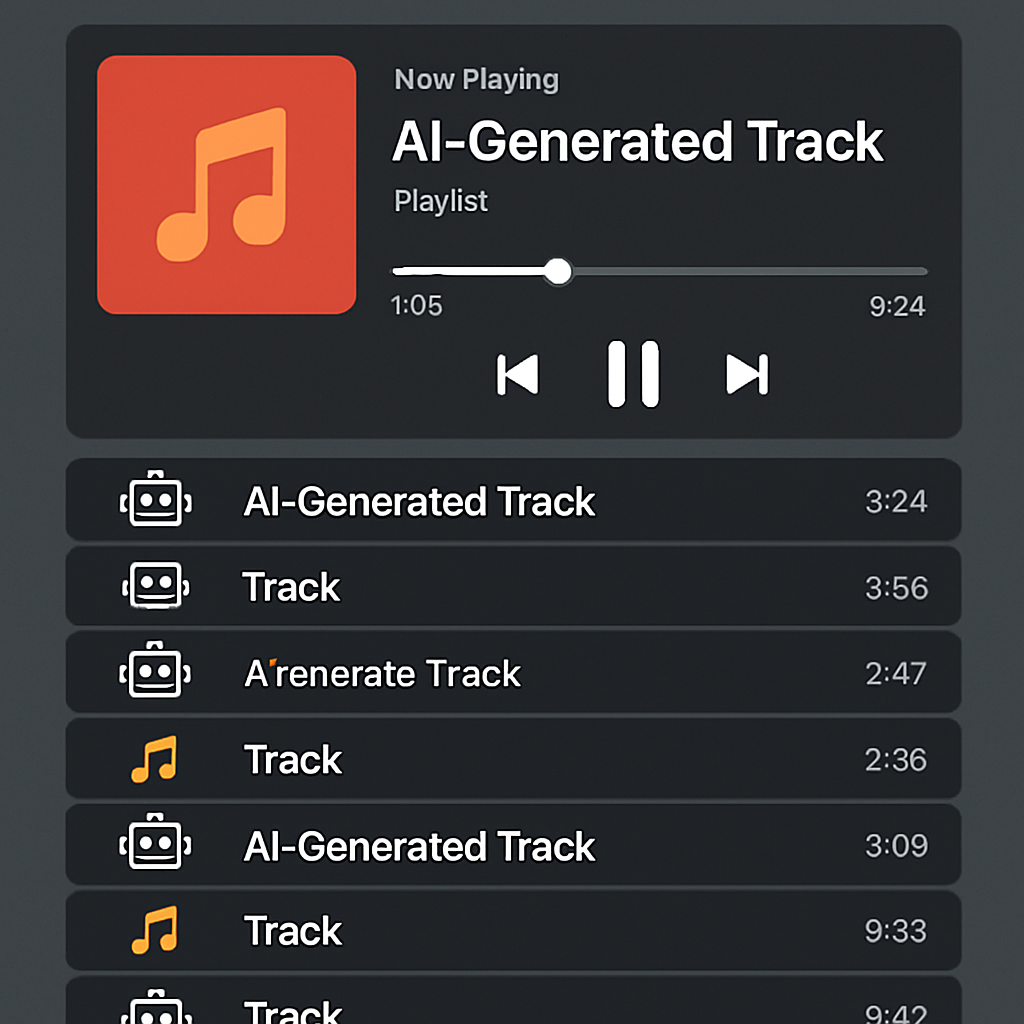
Deezer, a prominent music streaming platform, has reported a significant milestone: over half of its daily new music uploads are now AI-generated. In June 2026, the platform observed a peak, with AI-generated tracks averaging 90,000 per day, accounting for more than 50% of all new uploads. This marks a substantial increase from earlier figures; in January 2025, AI-generated content constituted 10% of daily uploads, which escalated to 18% by April 2025, and reached 28% by September 2025. The trend continued into 2026, with AI-generated tracks comprising 39% of daily uploads in January and 44% by April.
In response to this surge, Deezer has implemented measures to manage the influx of AI-generated content. The company plans to remove AI-generated tracks that have not been streamed in the past six months or are associated with fraudulent streaming activities. This initiative aims to protect the rights and revenues of human artists and songwriters, ensuring that the platform’s content remains authentic and valuable to listeners.
Deezer’s proactive stance includes the development and deployment of AI detection technology capable of identifying AI-generated music. This technology can detect tracks produced by AI models from companies like Suno and Udio, both of which are currently facing copyright infringement lawsuits. By labeling AI-generated content and excluding it from algorithmic recommendations, Deezer seeks to maintain transparency and uphold the integrity of its music library.
The rapid proliferation of AI-generated music presents challenges for streaming platforms, as they must balance innovation with the protection of intellectual property rights. Deezer’s approach highlights the importance of implementing robust detection systems and clear policies to address the complexities introduced by AI in the music industry.
As AI technology continues to evolve, its impact on music creation and distribution will likely intensify. Streaming services must remain vigilant, adapting their strategies to ensure that the interests of human artists are safeguarded while embracing the potential benefits that AI can offer. The industry’s response to these developments will shape the future landscape of music consumption and the role of AI within it.