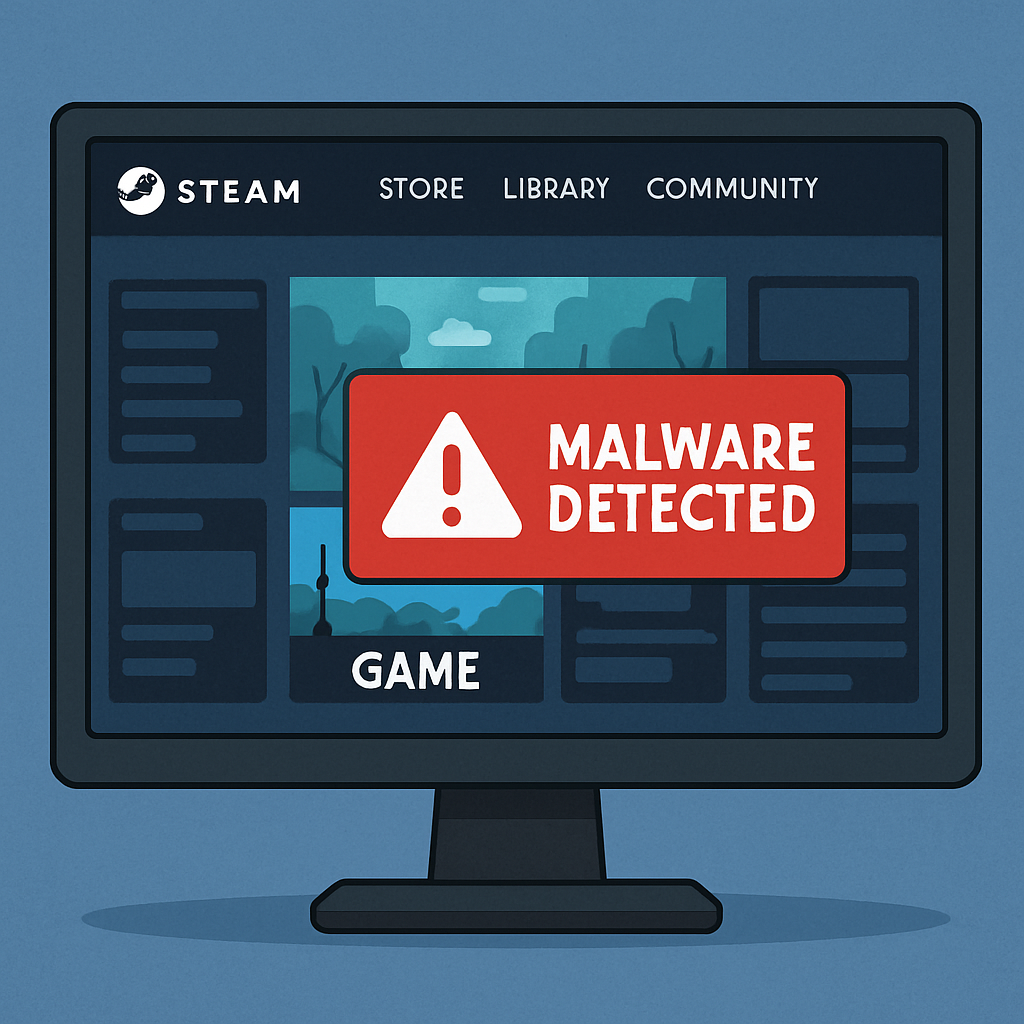
U.S. prosecutors have charged a Florida man with distributing malware through counterfeit video games on Steam, a leading PC gaming platform. The malware was designed to infiltrate users’ computers, extract sensitive information, and siphon funds from their cryptocurrency wallets.
The FBI apprehended 21-year-old Florida resident and student, Zyaire Wilkins, on Tuesday. By Wednesday, prosecutors had accused him and several unnamed collaborators of cybercrimes. Over the past two years, Wilkins and his associates allegedly released multiple infected games on Steam, including titles such as BlockBlasters, Dashverse, Lampy, Lunara, and PirateFi. The FBI reports that these games infected approximately 8,000 users, leading to the compromise of around 80 cryptocurrency wallets and the theft of at least $220,000 in digital assets.
To promote these malicious games, Wilkins and his team utilized platforms like Discord, LinkedIn, and Telegram, targeting unsuspecting gamers.
Earlier in March, the FBI had announced an investigation into a hacker suspected of embedding malware in Steam-hosted games to exploit users. The bureau urged individuals who had downloaded the compromised games to come forward and assist with the investigation.
In recent times, Valve, the company behind Steam, has removed several games from its platform after discovering they contained malware. These games, including PirateFi, appeared legitimate and were fully playable, making it challenging for users to detect the embedded threats.
During the investigation, the FBI identified another individual involved in the scheme. This person disclosed that they collaborated with others to fund and market the malicious games, sharing in the stolen cryptocurrency profits. The FBI traced cryptocurrency transactions linked to the scheme, leading to the purchase of various gift cards, including those for UberEats. Subpoenaed records from Uber revealed that these gift cards were associated with deliveries to Wilkins, who operated online under the alias Sibel.eth.
Following this discovery, federal agents obtained a search warrant for Wilkins’ residence, seizing multiple devices, including a MacBook laptop, cellphones, and digital wallets. Wilkins declined to answer any questions during the search.
This case underscores the evolving tactics cybercriminals employ to exploit popular platforms and the importance of vigilance among users. Gamers should exercise caution when downloading new titles, especially from lesser-known developers, and ensure their systems are equipped with up-to-date security measures. As digital threats become more sophisticated, both users and platform providers must remain proactive in identifying and mitigating potential risks.