Andrew Dai, a former researcher at Google DeepMind, has successfully raised a $55 million seed funding round for his new venture, Elorian, achieving a pre-seed valuation of $300 million. This significant funding comes just months after Dai’s departure from DeepMind, underscoring the strong investor confidence in his vision for advancing visual artificial intelligence (AI).
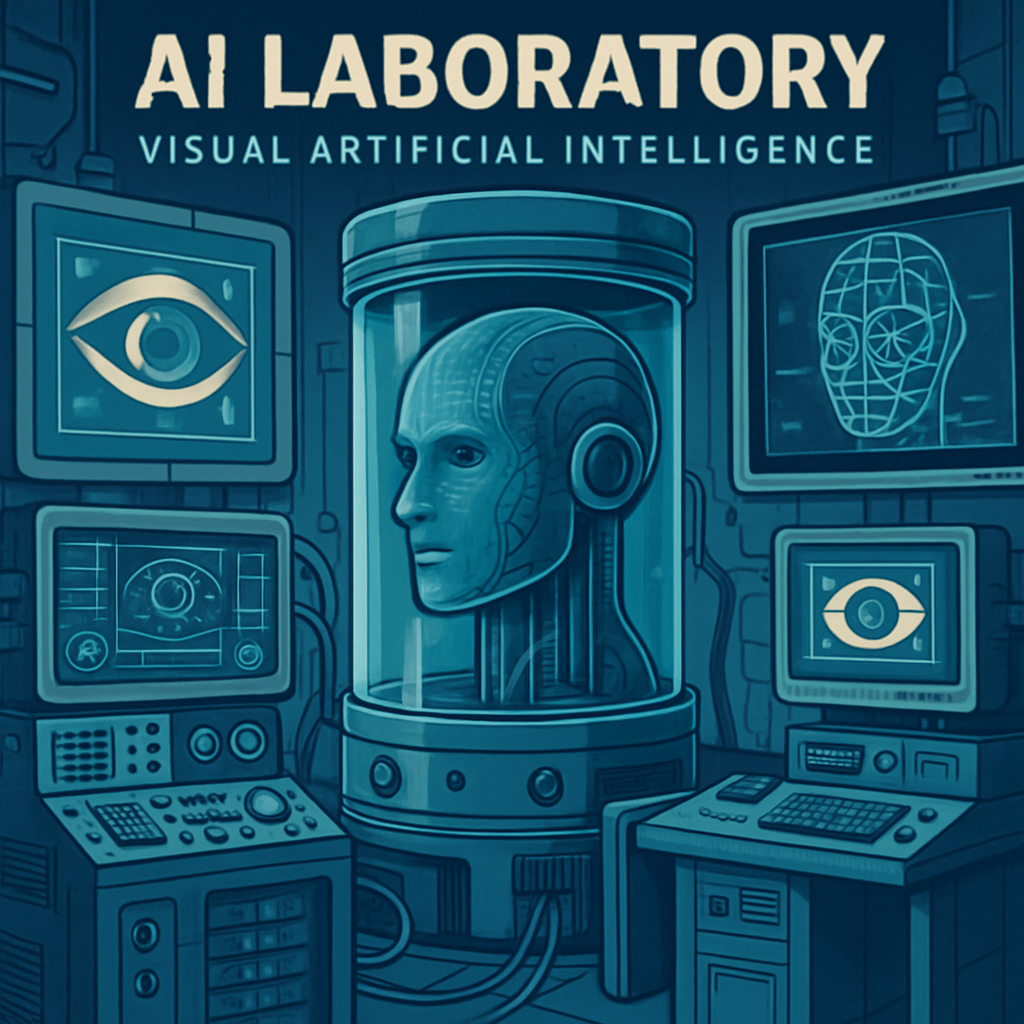
Elorian aims to push the boundaries of visual AI, focusing on developing models that enhance visual understanding and reasoning. While AI has made substantial progress in areas like mathematics, physics, and coding, visual comprehension remains a challenging frontier. Dai’s goal is to build models that contribute to the development of visual artificial general intelligence (AGI).
In a recent interview, Dai discussed the fundraising process, emphasizing the importance of translating complex technical concepts into narratives that resonate with investors. He highlighted the strategic decision to partner with investors like Nvidia and Menlo Ventures, prioritizing their expertise and alignment with Elorian’s mission over potentially higher valuation offers. This approach reflects a focus on long-term collaboration and shared vision in the rapidly evolving AI landscape.
Dai also shared insights into the competitive nature of the AI industry, noting that speed has become a critical advantage. He discussed strategies for startups to attract top AI talent from established tech giants, emphasizing the need for compelling missions and dynamic work environments.
Elorian’s substantial seed funding and ambitious goals position it as a notable player in the AI sector. The company’s focus on visual AI addresses a significant gap in current AI capabilities, and its progress could have far-reaching implications for various industries reliant on visual data interpretation.
As the AI field continues to evolve, Elorian’s development will be closely watched. The company’s success could pave the way for more advanced visual AI applications, potentially transforming sectors such as healthcare, autonomous vehicles, and digital media.