Apple’s iPad lineup is set for a comprehensive refresh, but consumers will need to wait until 2027 for updates to the standard iPad and iPad Air models. This delay aligns with Apple’s strategic product release cycles and ongoing technological advancements.
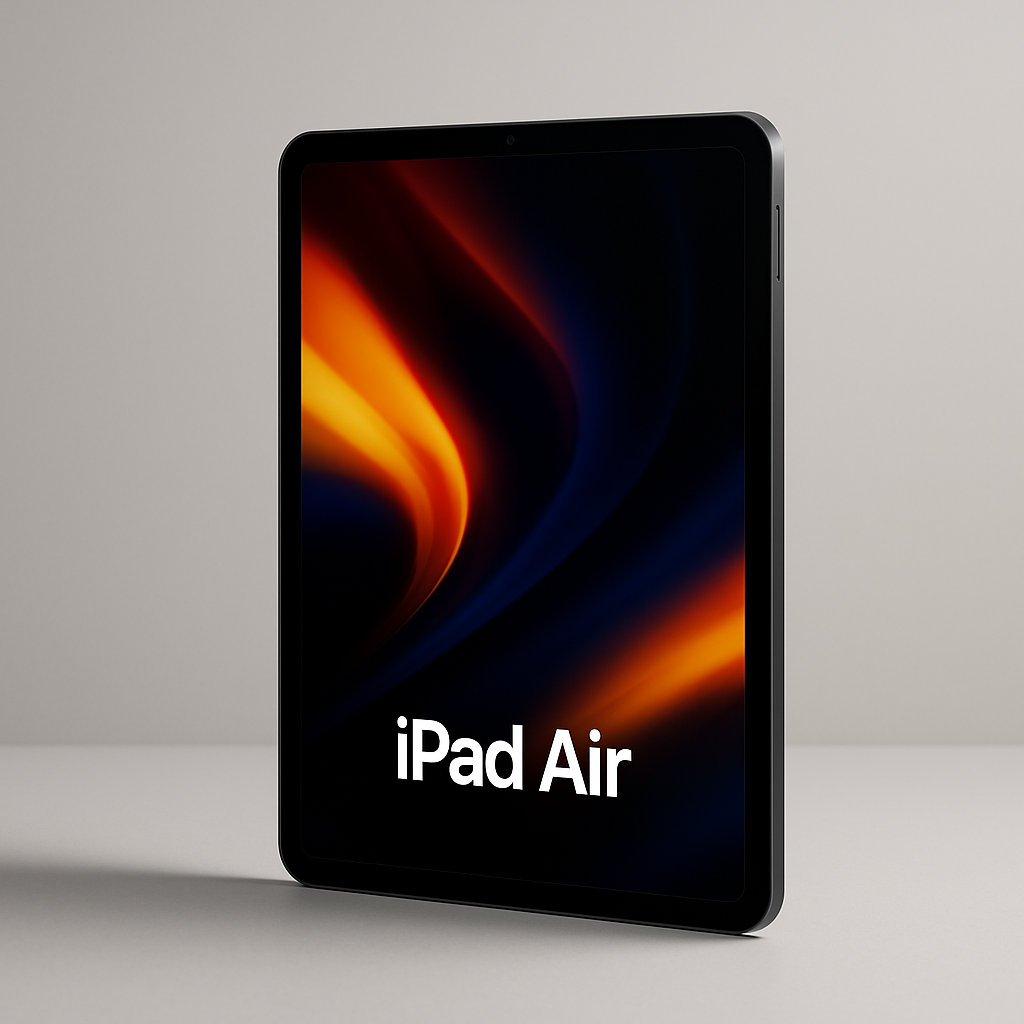
The iPad Air, which received its last significant update in March 2026 with the introduction of the M4 chip and C1X modem, is now anticipated to adopt OLED display technology. Industry sources indicate that Samsung Display will commence mass production of OLED panels for the iPad Air by the end of 2026, setting the stage for a 2027 release. This transition to OLED is expected to enhance display quality, offering deeper blacks and more vibrant colors compared to the current LCD screens.
Similarly, the standard iPad, which has not seen a major update since October 2022, is slated for a refresh in 2027. While specific details about the new model remain scarce, it is likely to feature performance improvements and design refinements to maintain its appeal in the competitive tablet market.
In contrast, the iPad Pro is on a different upgrade trajectory. The latest model, equipped with the M5 chip, was released in October 2025. Reports suggest that the next iteration of the iPad Pro will not arrive until early 2027, maintaining the product’s typical 18-month update cycle. This upcoming model is rumored to incorporate vapor chamber cooling technology, potentially enhancing performance by more effectively managing heat dissipation.
Apple’s decision to stagger these updates reflects a strategic approach to product development, ensuring that each model receives substantial enhancements that justify the wait. For consumers, this means that while immediate upgrades are not on the horizon, the forthcoming models are expected to deliver significant improvements in display technology, performance, and overall user experience.
As the tablet market continues to evolve, Apple’s planned updates to the iPad and iPad Air in 2027 will be crucial in maintaining the company’s competitive edge. Consumers can anticipate devices that not only meet current technological standards but also set new benchmarks in the industry.