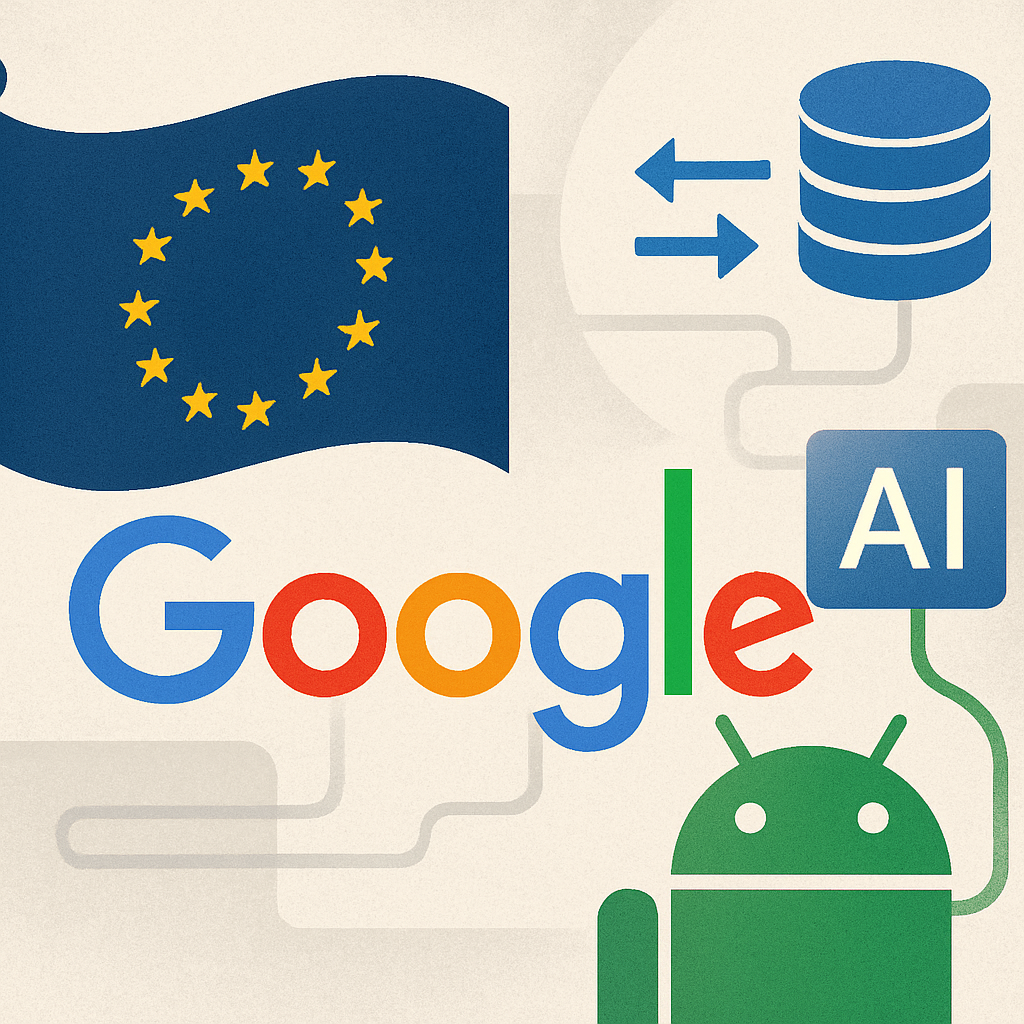
The European Union has mandated that Google provide competitors with access to its Search data and extend Android’s capabilities to rival AI assistants. This directive aims to foster greater competition within the digital marketplace.
Under the new regulations, Google is required to share its Search data with other search engines and AI chatbot developers, including companies like OpenAI and Microsoft. This measure is intended to level the playing field by granting competitors access to valuable data that has traditionally been exclusive to Google.
Additionally, the EU’s decision compels Google to offer third-party AI assistants the same level of integration within the Android operating system as its own Gemini assistant. Currently, Gemini enjoys deep integration, allowing it to interact seamlessly with other apps, control device hardware, and maintain continuous background operation through voice commands. By extending these privileges to external AI assistants, the EU aims to enhance consumer choice and stimulate innovation in the AI sector.
Google has expressed concerns regarding these mandates, cautioning that such changes could compromise user privacy and device security. The company argues that granting external applications extensive permissions without existing safeguards may expose sensitive user data and weaken overall security protocols. Google emphasizes the importance of maintaining robust privacy and security measures, especially in the context of increasing AI integration.
The EU has set a deadline of January 2027 for Google to implement the required changes related to Search data sharing, while adjustments to Android’s accessibility for third-party AI assistants must be completed by July 2027.
These developments are part of the EU’s broader efforts to enforce the Digital Markets Act (DMA), which seeks to regulate the activities of major tech companies designated as ‘gatekeepers’ to ensure fair competition and protect consumer interests. The DMA’s implementation reflects the EU’s commitment to addressing antitrust concerns and promoting a more competitive digital environment.
For Google, these directives represent a significant challenge, as they necessitate substantial modifications to its business practices and technological infrastructure. The company’s response and compliance strategies will be closely monitored by industry observers and regulatory bodies alike.
As the deadlines approach, stakeholders will be keen to see how Google navigates these regulatory requirements and what impact these changes will have on the broader tech ecosystem. The situation underscores the ongoing tension between regulatory authorities seeking to curb monopolistic practices and tech giants striving to protect their proprietary systems and user data.