U.S. federal prosecutors have unsealed charges against three Russian nationals—Alexander Volosovik, Kirill Zatolokin, and Yulia Pankova—for their alleged involvement in cyberattacks that resulted in approximately $62 million in damages to American businesses. The individuals, based in St. Petersburg, are accused of operating two web hosting companies, Media Land and ML.Cloud, which purportedly provided infrastructure to cybercriminals and state-sponsored hackers.
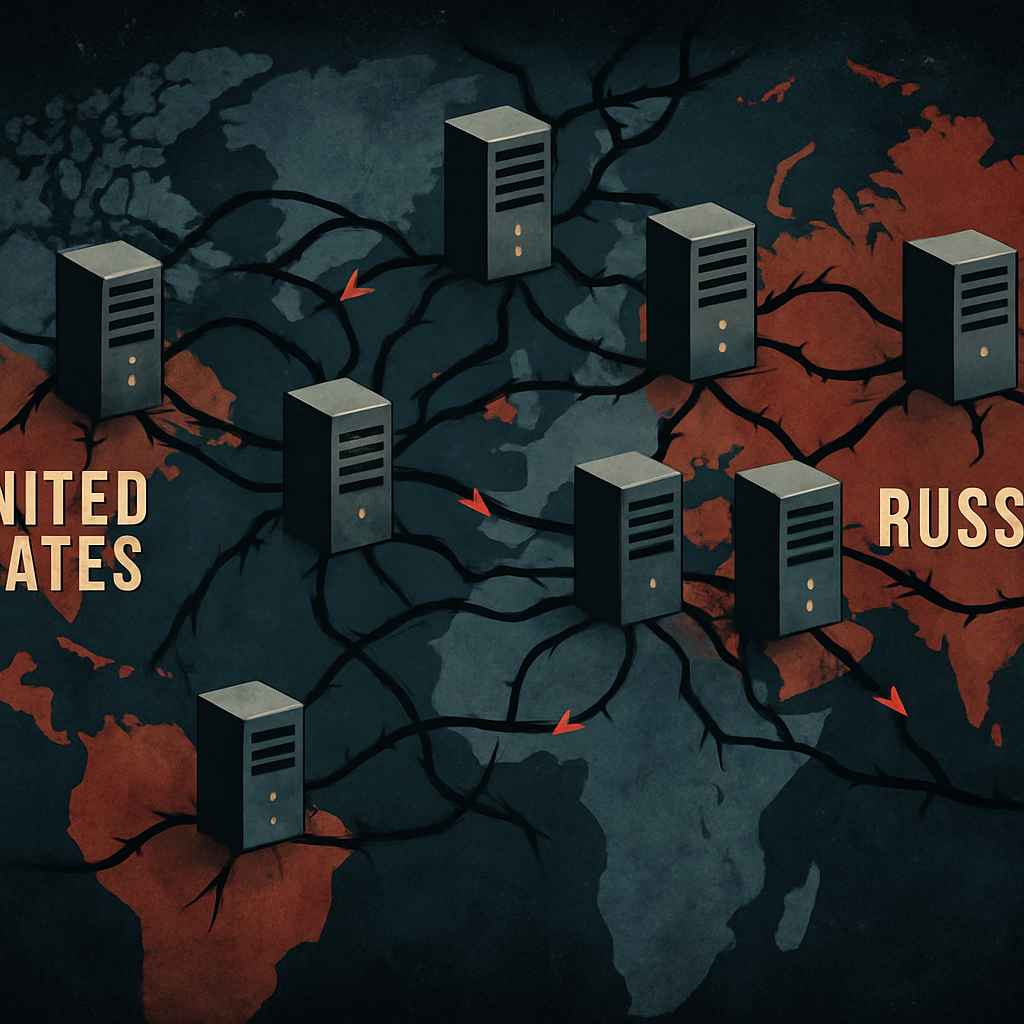
These web hosts are alleged to have facilitated a range of malicious activities, including distributed denial-of-service (DDoS) attacks aimed at disrupting online services, phishing campaigns to steal sensitive information, and cyberattacks targeting critical infrastructure within the United States. The indictment suggests that the services offered by Media Land and ML.Cloud were intentionally designed to shield their clients from law enforcement actions, a practice commonly referred to as “bulletproof” hosting.
In 2024, the U.S. Treasury Department imposed sanctions on Media Land and ML.Cloud, citing their support of notorious ransomware groups such as LockBit, BlackSuit, and Play. These sanctions prohibit U.S. entities from engaging in transactions with the designated companies and individuals, effectively isolating them from the American financial system.
Despite the severity of the charges, the likelihood of apprehending the accused remains low, as Russia typically does not extradite its citizens to the United States. However, international law enforcement agencies have previously detained cybercriminals when they traveled to countries with extradition agreements with the U.S.
Assistant Attorney General A. Tysen Duva emphasized the threat posed by such operations, stating that they endanger the American public and vowing continued efforts to dismantle networks that support cybercriminal activities targeting U.S. infrastructure.
This case underscores the persistent challenge posed by “bulletproof” hosting services that cater to cybercriminals. These providers offer a haven for illicit activities, complicating efforts by law enforcement to trace and mitigate cyber threats. The unsealing of this indictment reflects a broader strategy to hold facilitators of cybercrime accountable, even when they operate beyond U.S. borders. As cyberattacks continue to evolve in complexity and scale, international cooperation and proactive measures remain crucial in safeguarding digital infrastructure.