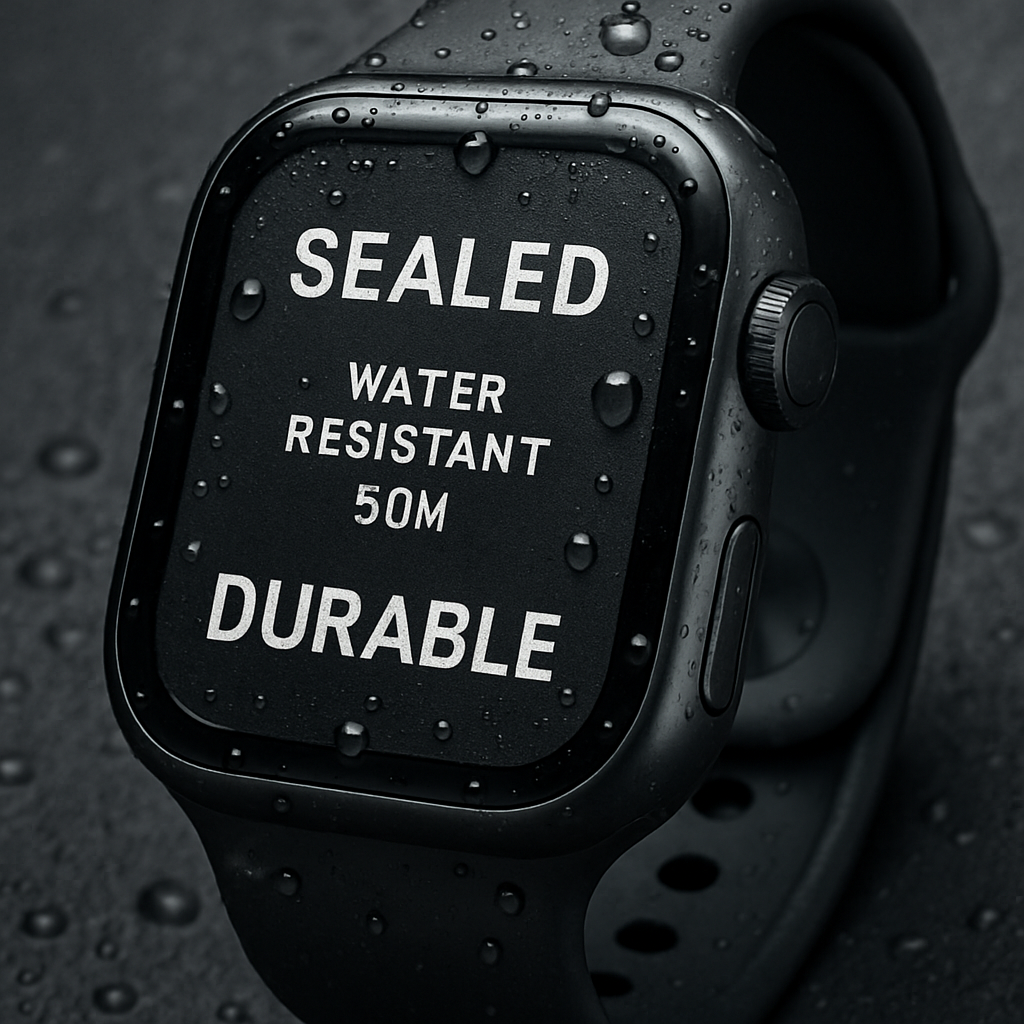
The European Commission has revised its battery regulations, granting exemptions to certain wearable devices, including the Apple Watch, from the requirement that batteries be user-removable and replaceable. This adjustment addresses concerns that such mandates could compromise the safety, durability, or water resistance of compact devices.
Under the EU’s Batteries Regulation, portable batteries integrated into products are generally required to be removable and replaceable by users throughout the device’s lifespan. However, the Commission has now adopted an exemption for specific wearables, such as smartwatches, smart glasses, and fitness trackers. The rationale is that user access to the batteries in these devices could pose safety risks or affect their performance, especially given their small size and sealed designs.
While the Commission has approved this exemption, it is subject to review by the European Parliament and the Council of the EU. If neither body objects, the exemption will become effective 20 days after its publication in the Official Journal of the EU.
This development follows criticism from U.S. officials regarding the EU’s battery rules, which reportedly delayed the European launch of products like Meta’s smart glasses. Despite these critiques, a Commission spokesperson emphasized that the exemption results from extensive consultations with consumer associations, industry stakeholders, and member states, aiming to ensure product safety and technical feasibility.
For Apple, this exemption is significant. It allows the company to maintain the Apple Watch’s current sealed battery design without necessitating a major redesign for the European market. This decision underscores the EU’s recognition of the unique challenges posed by certain wearable technologies and its willingness to adapt regulations to balance consumer safety with technological innovation.