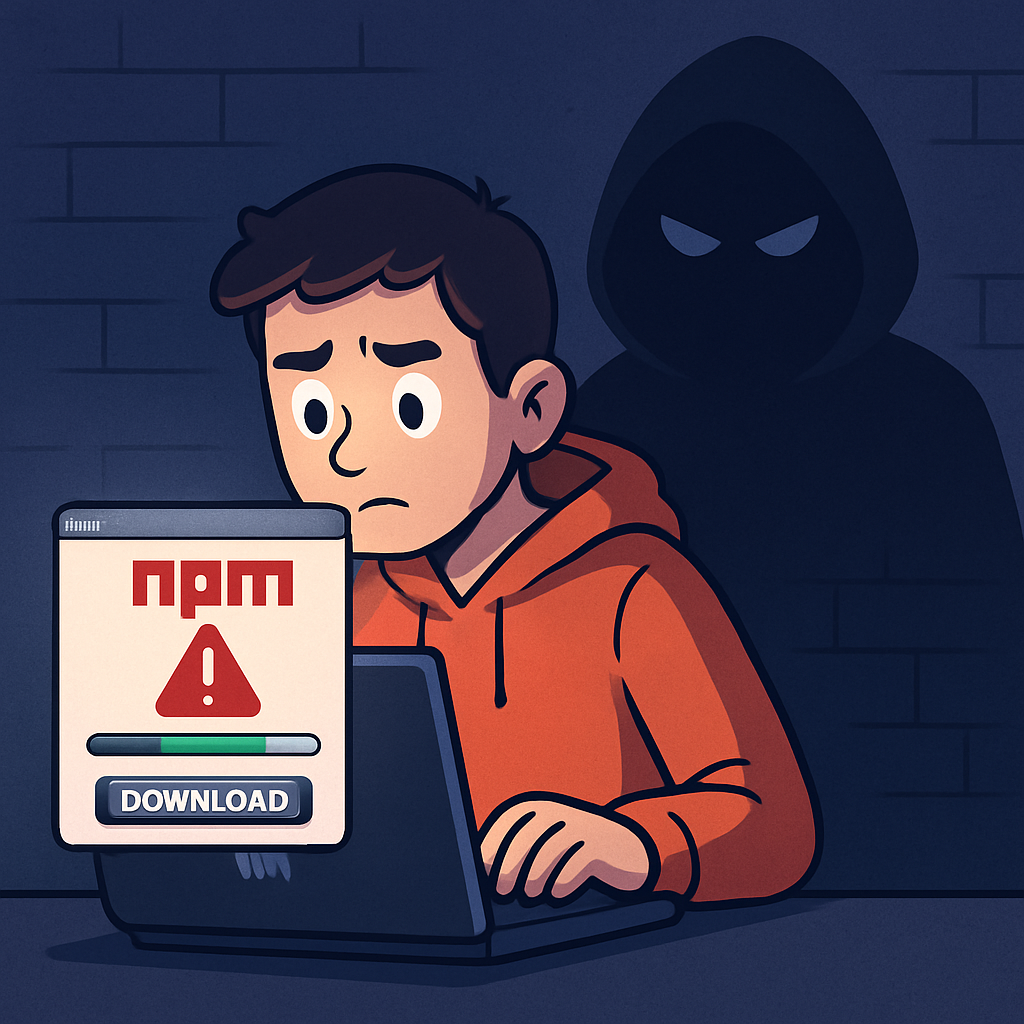
In a recent cybersecurity development, a campaign involving 150 malicious npm packages has been identified, targeting students seeking tools to bypass school Wi-Fi restrictions. These packages, disguised as legitimate utilities, have been downloaded thousands of times, posing significant security risks.
The attackers leveraged the npm registry to distribute these packages, which promised functionalities like VPN services and proxy tools. Once installed, the packages executed scripts that harvested sensitive information, including browser cookies, saved passwords, and system details. This data was then transmitted to remote servers controlled by the attackers.
Notably, the malicious packages were designed to evade detection by mimicking popular tools and employing obfuscation techniques. They often used names similar to legitimate packages, a tactic known as typosquatting, to deceive users into downloading them.
This incident underscores the growing trend of supply chain attacks within open-source ecosystems. By compromising widely used package managers like npm, attackers can infiltrate numerous systems, exploiting the trust developers place in these repositories.
To mitigate such risks, users are advised to:
- Verify the authenticity of packages before installation by checking the number of downloads, reviews, and the credibility of the publisher.
- Regularly update and patch software to address known vulnerabilities.
- Employ security tools that can detect and block malicious scripts during the installation process.
As the reliance on open-source packages continues to grow, it’s imperative for both developers and end-users to exercise caution and implement robust security practices to safeguard against such threats.