A newly identified malware, dubbed ‘CrashStealer,’ is targeting macOS users by disguising itself as a legitimate Apple tool to extract sensitive information. This malicious software employs sophisticated techniques to infiltrate systems and harvest data, including passwords, browser information, and cryptocurrency credentials.
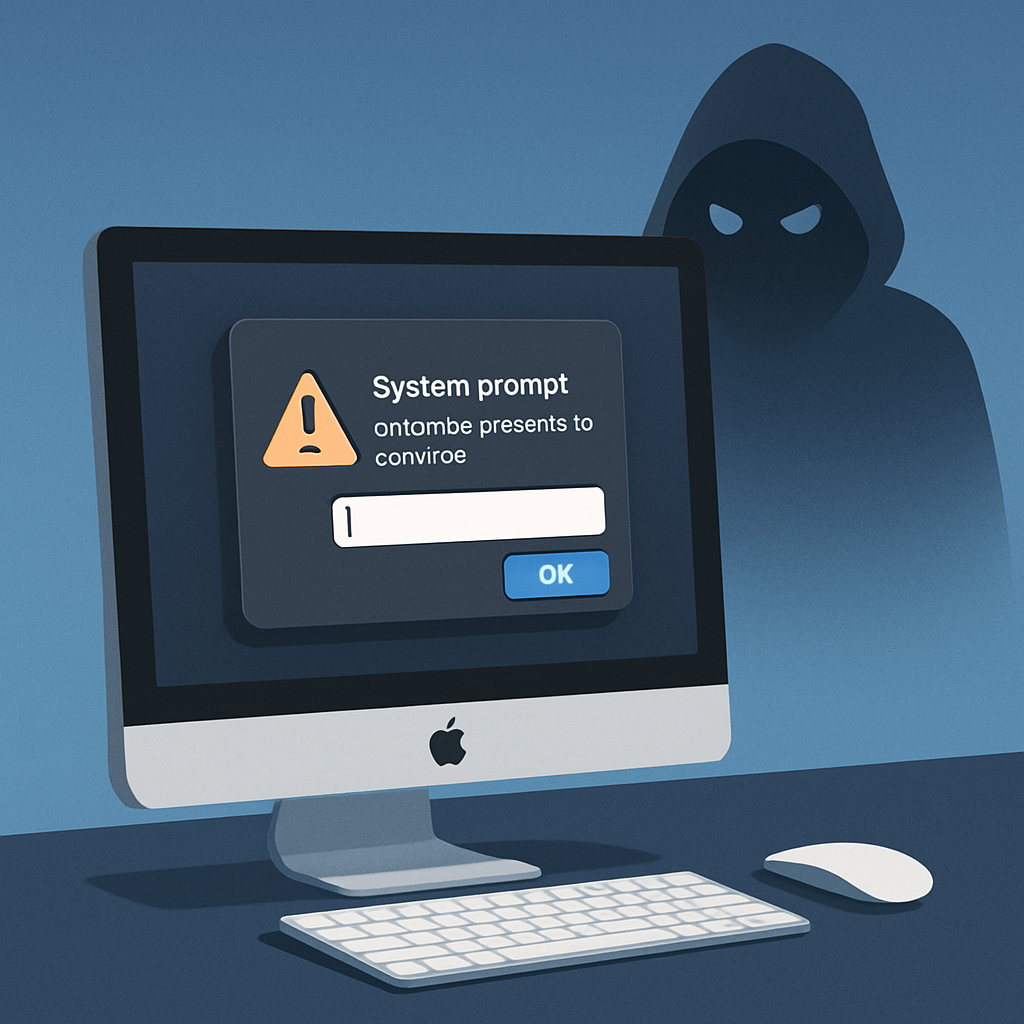
CrashStealer’s distribution method involves leveraging an Apple-notarized application, which lends it an appearance of authenticity. Once installed, the malware presents a counterfeit system prompt to deceive users into entering their credentials. This tactic is particularly insidious, as it exploits the trust users place in system notifications.
Upon successful infiltration, CrashStealer systematically collects a range of sensitive data. This includes passwords stored in browsers, authentication cookies, and information related to cryptocurrency wallets. The malware’s ability to access such a broad spectrum of personal information poses a significant threat to user privacy and security.
The emergence of CrashStealer underscores a growing trend in macOS-targeted malware. In recent years, there has been an uptick in ‘stealer’ malware designed to extract sensitive information from Mac users. For instance, the ‘Atomic macOS Stealer’ (AMOS) surfaced in 2023, capable of extracting iCloud Keychain data, browser credentials, and crypto wallet information. Similarly, the ‘Cthulhu Stealer,’ identified in 2024, was designed to steal passwords from iCloud Keychain, web browsers, and Telegram accounts. These developments highlight an increasing focus by cybercriminals on macOS platforms, which were previously considered less susceptible to such attacks.
To mitigate the risk posed by CrashStealer and similar malware, users are advised to exercise caution when downloading and installing software. Ensuring that applications are obtained from reputable sources, such as the official Mac App Store or verified developer websites, is crucial. Additionally, maintaining up-to-date security software and being vigilant about system prompts can help prevent unauthorized access to sensitive information.
The rise of sophisticated malware like CrashStealer serves as a stark reminder of the evolving threat landscape facing macOS users. As cybercriminals continue to develop more advanced methods to exploit system vulnerabilities, it is imperative for users to adopt proactive security measures. Staying informed about emerging threats and adhering to best practices in software management are essential steps in safeguarding personal data against unauthorized access.