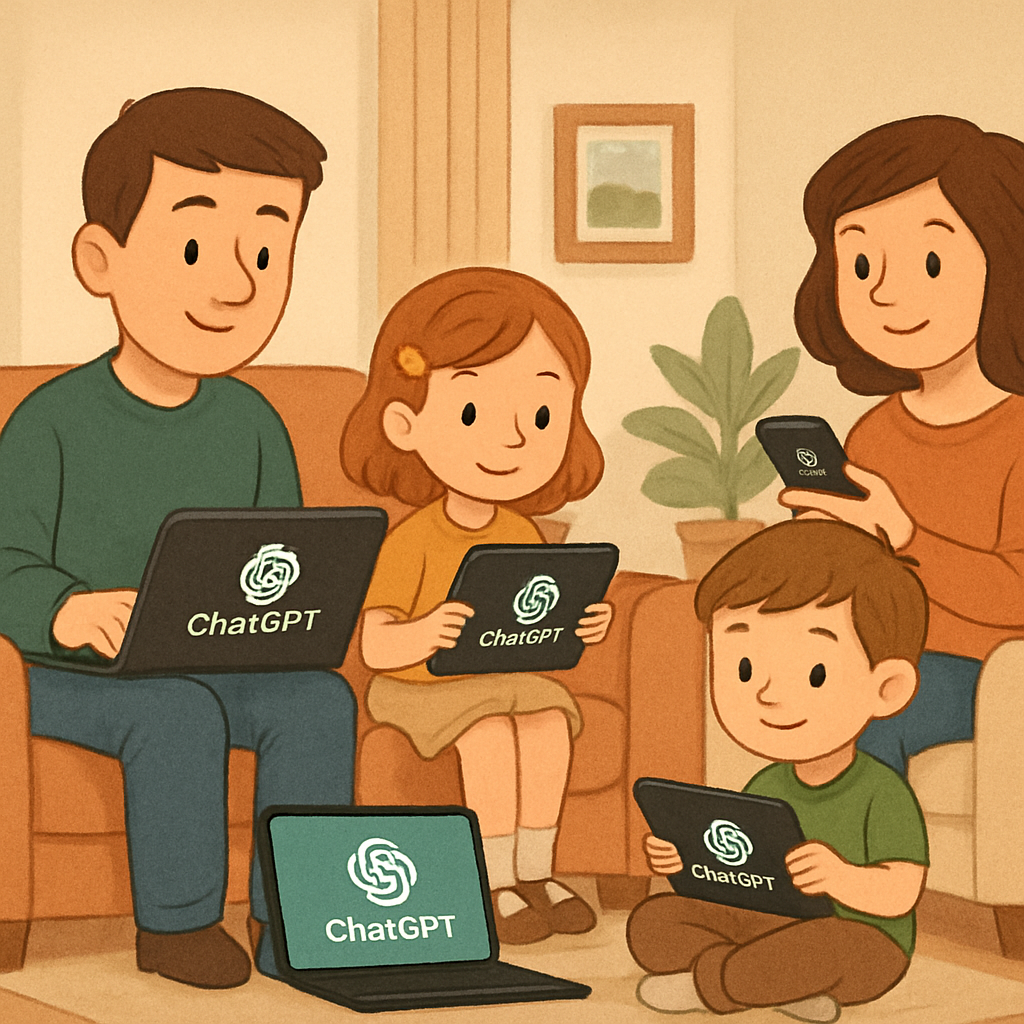
OpenAI is shifting its focus to cater to families, caregivers, and older adults by hiring a dedicated product manager in San Francisco. This role aims to develop experiences across OpenAI’s products that are tailored for these groups, emphasizing the need for trust-sensitive consumer experiences.
Since its launch over three years ago, ChatGPT has seen a demographic shift in its user base. Data from Sensor Tower indicates that in the second quarter, 31% of global ChatGPT users were aged 35 and older, up from 26% the previous year. Conversely, the 18 to 24 age group decreased from 34% to 29% in the same period. In the U.S., nearly 25% of smartphone users who are parents engaged with ChatGPT during the quarter, an increase from 16% the previous year.
OpenAI’s move to focus on family-oriented products reflects a broader trend observed in tech companies like Google, Apple, and Meta, which have adapted their platforms to become integral parts of daily life. However, integrating AI into household settings introduces unique trust and safety challenges. Experts emphasize the importance of designing AI products with robust content controls, age-appropriate experiences, and clear indicators that users are interacting with AI, not humans.
Recent research by the Family Online Safety Institute highlights a gap in parental awareness regarding children’s use of generative AI. While 27% of U.S. parents believed their child had used such technology in the past week, 38% of children reported doing so themselves. This underscores the necessity for AI companies to implement stronger safeguards for younger users.
OpenAI has faced legal scrutiny concerning the impact of ChatGPT on minors, including lawsuits alleging the AI contributed to harm suffered by children. In response, the company has introduced safety measures, such as parental controls for teen accounts, to provide age-appropriate experiences and support family needs.
OpenAI’s initiative to develop family-focused AI experiences signifies a strategic evolution in the AI industry. As AI becomes more embedded in daily life, addressing the diverse needs of all household members, especially vulnerable groups like children and older adults, is crucial. This approach not only enhances user engagement but also fosters trust and safety, which are essential for the widespread adoption of AI technologies in family settings.