Recent discussions have emerged regarding the European Union’s new regulations on battery accessibility in consumer electronics, leading to speculation about potential design changes in future iPhone models. However, it’s important to clarify that these regulations do not necessitate the inclusion of removable battery doors in iPhones sold within the EU.
The EU’s updated battery directive aims to enhance sustainability and consumer rights by ensuring that portable batteries in devices are designed for easy removal and replacement by users. This initiative seeks to promote a circular economy by facilitating battery recycling and reducing electronic waste. The directive specifies that batteries should be removable using commonly available tools, without the need for specialized equipment, thermal energy, or solvents.
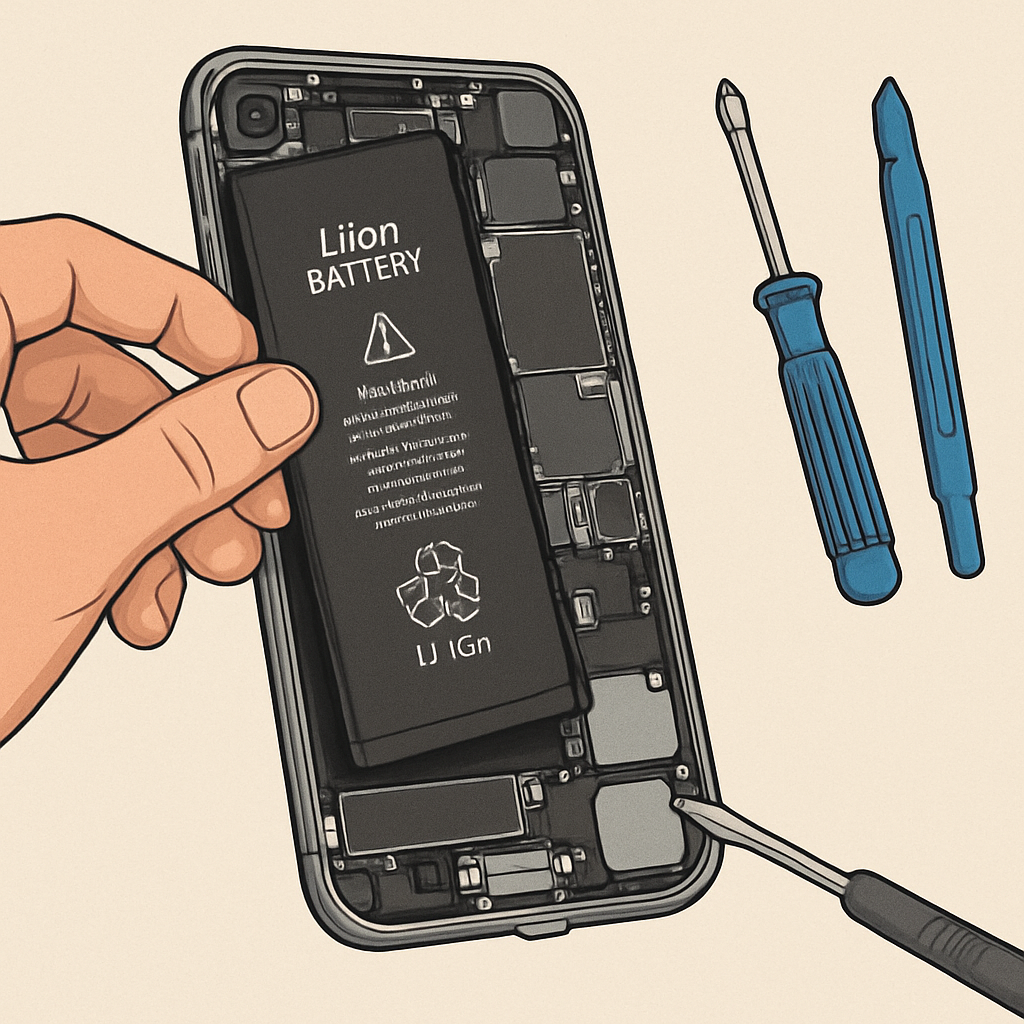
Apple’s current iPhone design aligns with these requirements. While iPhones do not feature easily detachable back panels, their batteries can be replaced using standard tools such as screwdrivers and plastic prying tools. This design approach maintains the device’s structural integrity and water resistance while complying with the EU’s directive.
Apple has also introduced a Self Repair Program, providing consumers with access to genuine parts and tools necessary for battery replacement and other repairs. This program empowers users to perform maintenance tasks without compromising the device’s durability or performance.
In summary, the EU’s regulations do not mandate a shift to removable battery doors for iPhones. Instead, they emphasize the importance of user-accessible battery replacement methods that do not require specialized tools. Apple’s existing design and repair programs are in line with these directives, ensuring compliance without altering the fundamental design of their devices.
Looking ahead, this development underscores the balance between regulatory compliance and product design innovation. As consumer demand for sustainable and repairable technology grows, manufacturers like Apple are likely to continue refining their designs to meet both regulatory standards and user expectations. Observing how Apple and other tech companies adapt to these evolving requirements will provide valuable insights into the future of consumer electronics design.