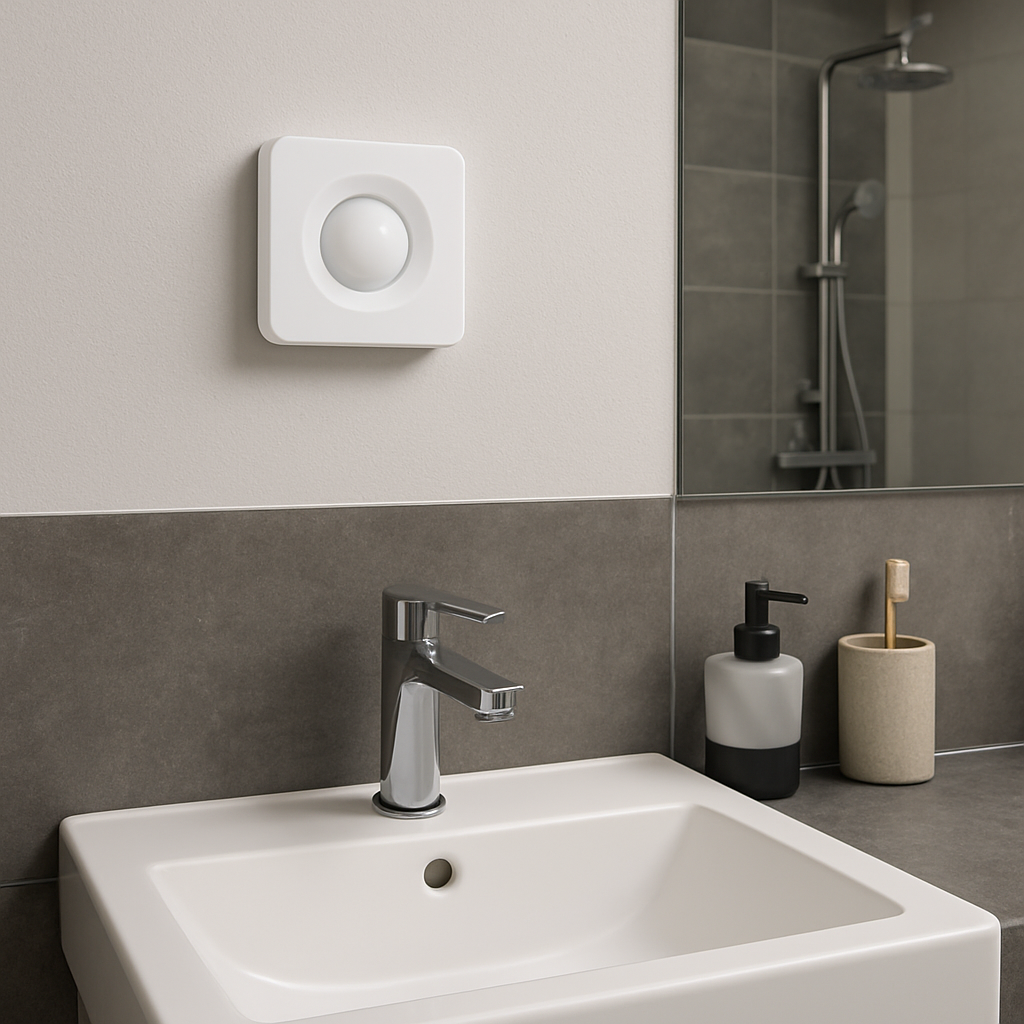
Smart home technology often falls into two categories: genuinely useful innovations and features implemented simply because they are possible and seem cool. However, a third category has emerged—technologies that, despite their promise, may not justify the time and effort required for their implementation.
The Quest for Reliable Presence Detection
In a previous residence, motion sensors were employed to automate lighting, particularly in the kitchen, where under-cabinet lights would activate upon detecting movement and turn off after two minutes of inactivity. This setup was replicated in a new home with similar success.
However, the bathroom presented a challenge. Traditional motion sensors rely on detecting movement, which becomes problematic during activities like taking a bath, where minimal movement occurs. This often resulted in lights turning off while the room was still occupied.
To address this, a presence sensor was considered. Unlike motion sensors that detect movement, presence sensors use millimeter-wave radar to detect micro-movements, such as breathing, ensuring the lights remain on as long as the room is occupied.
Challenges with Presence Sensors
The initial attempt involved the Aqara FP300, a battery-powered presence sensor. Unfortunately, it proved unreliable, often failing to detect presence unless significant movement occurred. Research indicated this was a common issue, leading to the decision to try the Aqara FP2, which requires USB power.
The FP2 initially showed promise, maintaining light activation during periods of minimal movement. However, it soon began detecting false presences, keeping the lights on when the room was unoccupied. Troubleshooting steps, including power cycling and app resets, failed to resolve the issue. The sensor’s app allowed for the deletion of false targets, but this led to deactivating parts of the detection zone, reducing responsiveness. Relocating the sensor and allowing time for its AI to learn did not yield improvements.
Reverting to Simplicity
After extensive troubleshooting without success, the decision was made to revert to a traditional solution: a dumb switch. This approach, while lacking automation, provided reliable control over the bathroom lighting without the complications introduced by the presence sensor.
This experience underscores an important lesson in smart home technology: while automation offers convenience, it should not come at the cost of reliability. In some cases, traditional solutions may prove more effective and less frustrating than their smart counterparts.
As smart home technology continues to evolve, it’s crucial to assess whether the benefits of automation outweigh the potential complexities. Users should consider the reliability and practicality of smart devices, recognizing that sometimes, simplicity is the smartest choice.