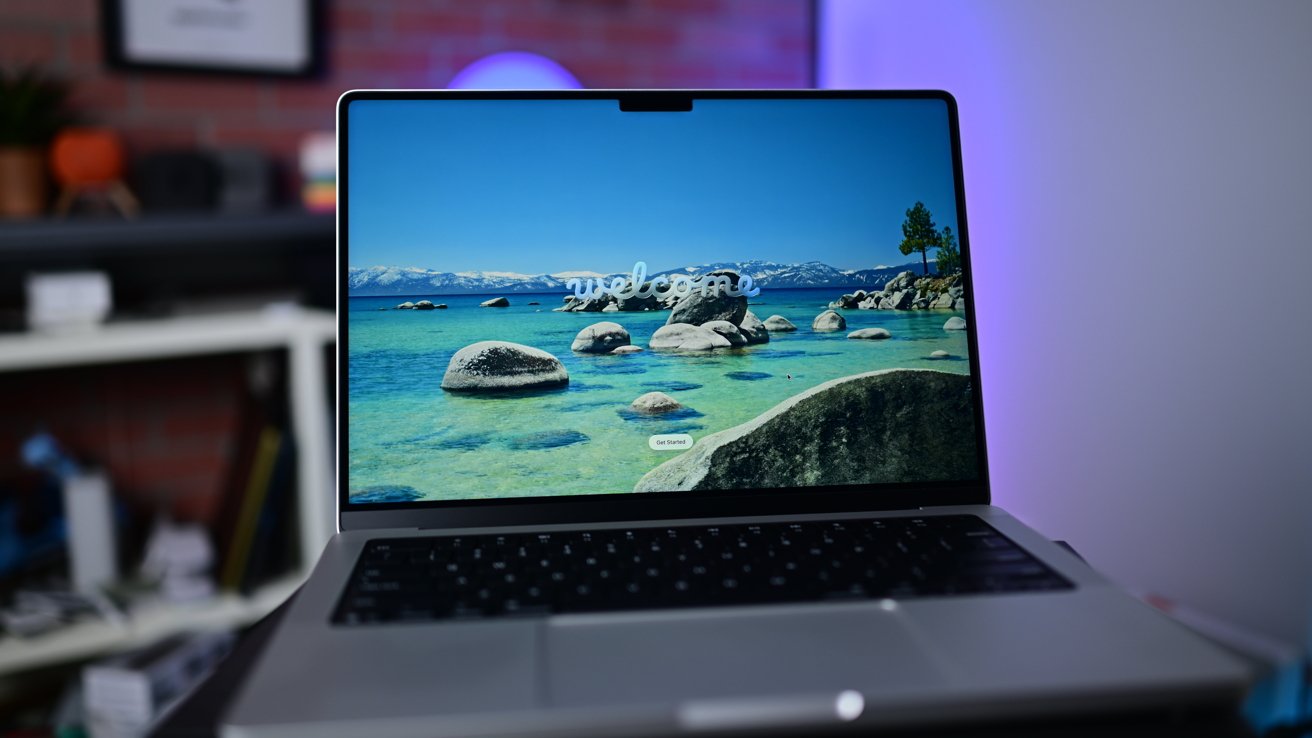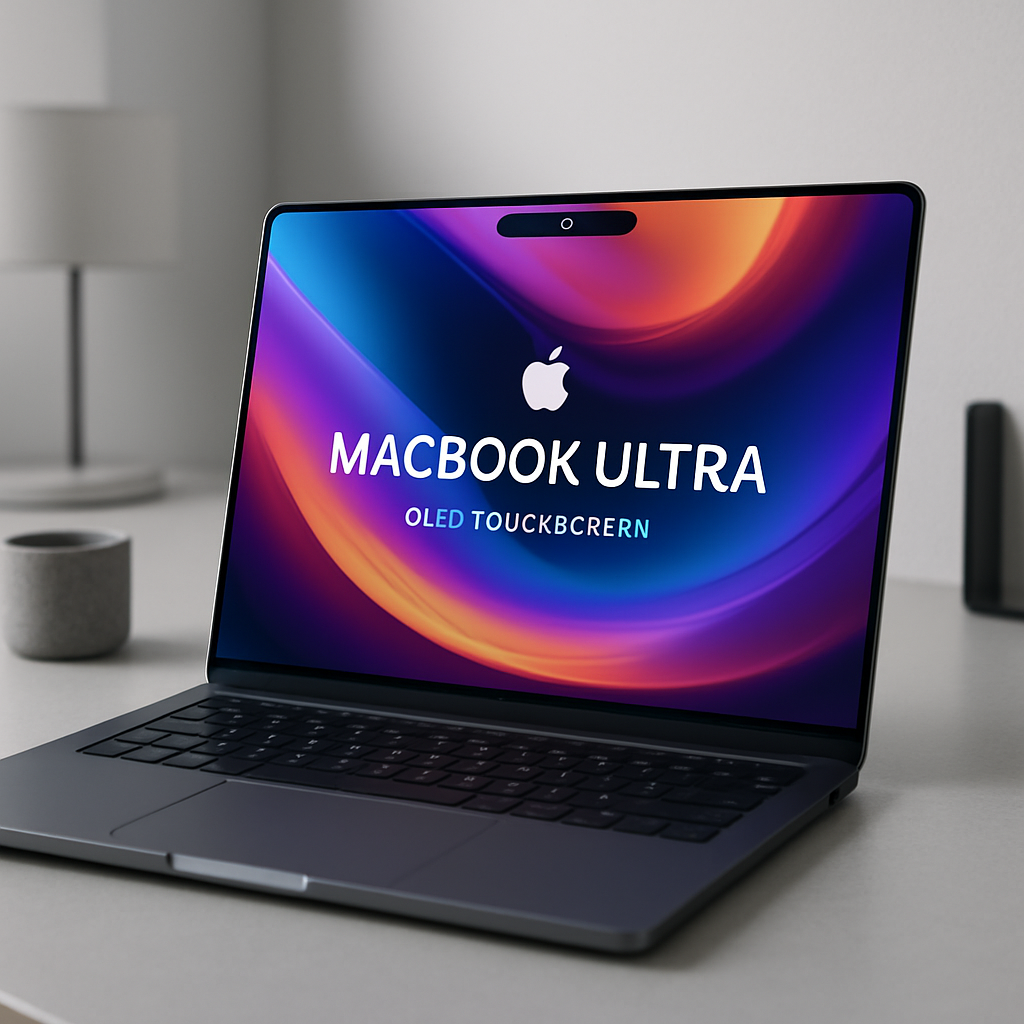
Apple is reportedly preparing to introduce a new high-end laptop, potentially named the ‘MacBook Ultra,’ which is expected to bring significant advancements to the MacBook lineup. This model is anticipated to feature an OLED touchscreen display, a Dynamic Island replacing the traditional notch, and a thinner chassis design. Additionally, it may offer built-in cellular connectivity, marking a first for Mac laptops.
Under the hood, the MacBook Ultra is projected to utilize Apple’s current M5 Pro and M5 Max chips. This decision aligns with reports that Apple plans to skip the M6 Pro and M6 Max iterations, moving directly to the M7 series for its high-end laptops. Consequently, the initial MacBook Ultra models will share processors with existing MacBook Pro models, with M7 Pro and M7 Max versions expected to follow in late 2027.
The release timeline for the MacBook Ultra appears to be fluid. While initial expectations pointed to a late 2026 launch, factors such as memory chip constraints and recent price adjustments have shifted projections toward early 2027. This schedule suggests that the first-generation MacBook Ultra could have a relatively brief market presence before the arrival of its M7-equipped successors.
Apple’s approach to integrating touch functionality in the MacBook Ultra is noteworthy. The company aims to provide a ‘touch-friendly, not touch-first’ experience, allowing users to seamlessly transition between touch input, trackpad, and keyboard interactions. This strategy indicates a departure from previous stances on touch integration in Mac devices.
The introduction of the MacBook Ultra signifies a pivotal moment for Apple’s laptop offerings. By incorporating features like OLED touchscreens and cellular connectivity, Apple is not only enhancing the functionality of its MacBook line but also positioning itself competitively in the evolving laptop market. Consumers and industry observers should monitor these developments closely, as they may influence future trends in laptop design and capabilities.