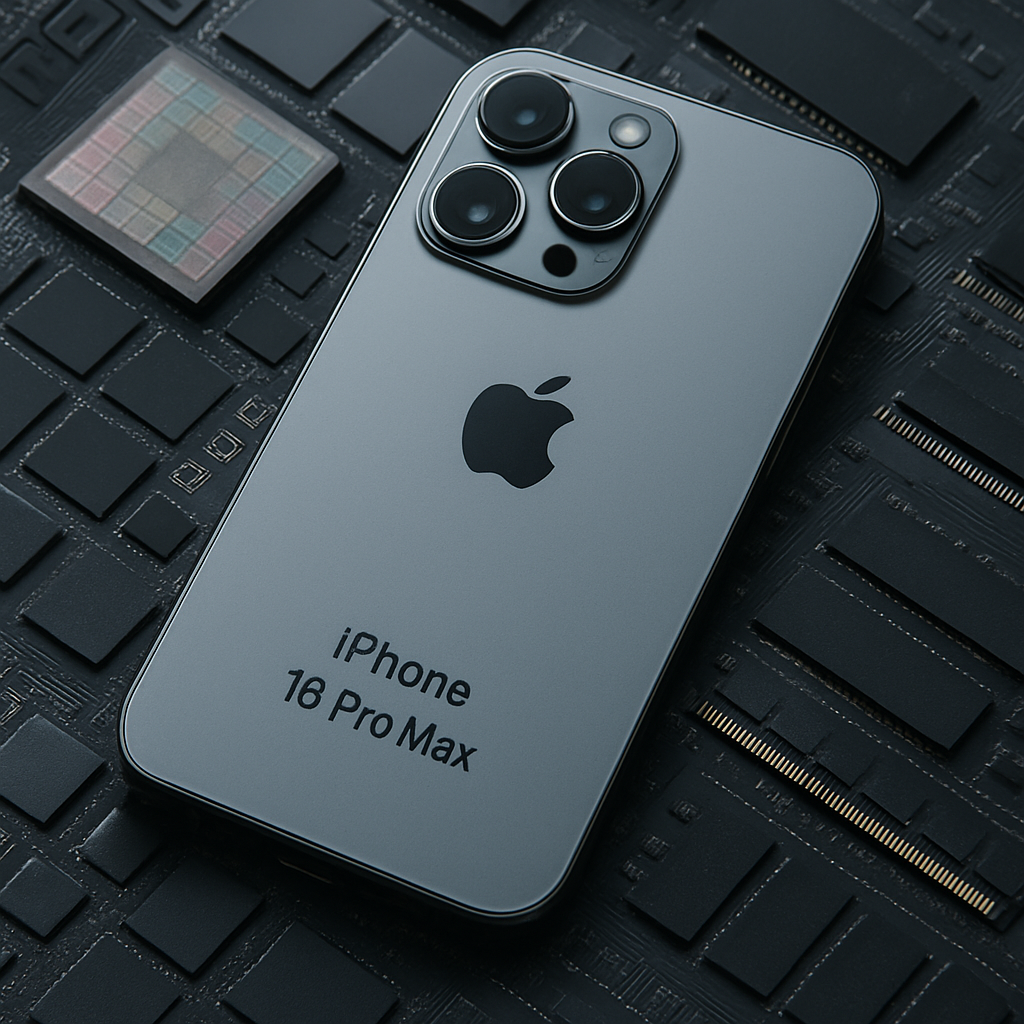
Apple’s upcoming iPhone 18 Pro Max is anticipated to experience a significant increase in production costs, with estimates suggesting a rise of nearly $300 compared to its predecessor, the iPhone 17 Pro Max. This escalation is primarily attributed to soaring prices of memory components and the transition to advanced chip technology.
The 1TB storage variant of the iPhone 18 Pro Max is particularly affected, with NAND flash memory costs projected to exceed $250. This figure alone approaches half of the total estimated component cost of the previous model. Additionally, DRAM prices are on the rise, driven by a global shortage of memory chips, a situation exacerbated by the growing demand for AI hardware.
Another significant factor contributing to the cost increase is Apple’s expected adoption of a 2nm chip for the iPhone 18 Pro series. The forthcoming A20 Pro chip, manufactured using TSMC’s N2 process, is anticipated to carry a substantial premium over the current A19 Pro chip produced on the N3P node. The initial costs associated with ramping up production on a new process node typically result in higher per-unit chip pricing.
While memory and chip costs are climbing, some components may see a reduction in expenses. Display costs and other miscellaneous parts are expected to decline compared to the iPhone 17 Pro Max, potentially offsetting some of the overall cost increases. However, camera components are projected to become slightly more expensive due to the incorporation of new technologies, such as the rumored variable-aperture main camera for the Pro models.
These anticipated cost increases come in the wake of Apple’s recent price adjustments across its product lineup. The company has raised prices on various devices, including Macs, iPads, Apple TV, HomePod, HomePod mini, and Vision Pro, citing the same memory chip shortage that is impacting the iPhone 18 Pro Max. Notably, the iPhone, Apple Watch, and AirPods have so far remained unaffected by these price hikes, but the iPhone 18 Pro series is widely expected to be next in line.
Reports suggest that the iPhone 18 Pro could start at a price point as high as $1,399, reflecting the increased component costs. Estimates indicate that Apple’s DRAM cost per unit could rise from $39 to $145, and flash storage costs could increase from $13 to $51. Apple CEO Tim Cook has acknowledged that the company is still evaluating which devices will see price increases. Additionally, IDC has estimated a $200 price hike for the Pro and Pro Max models, while some sources suggest an approximate 11% increase in the starting price for the Chinese market.
To manage these higher production costs without significantly impacting profit margins, Apple is exploring various strategies. One approach involves sourcing DRAM chips from Chinese manufacturers such as ChangXin Memory Technologies (CXMT) and Yangtze Memory Technologies (YMTC). However, this move presents potential political and regulatory challenges, as these companies are identified as Chinese military entities by the U.S. Department of Defense. Apple is reportedly lobbying the U.S. government for leniency in this matter.
Another strategy under consideration is the exclusive use of Chinese-sourced DRAM in devices intended for the Chinese market. This approach would limit international supply chain risks and could help reduce Apple’s global demand for memory chips, potentially easing price pressures worldwide. However, given the strong demand for memory components from sectors like AI, widespread price reductions are unlikely.
In summary, the iPhone 18 Pro Max is poised to face substantial increases in production costs due to rising memory prices and the adoption of advanced chip technology. While Apple is exploring various strategies to mitigate these costs, consumers should be prepared for potential price hikes in the upcoming iPhone lineup.
As Apple navigates these challenges, the broader tech industry is also grappling with similar issues. The global memory chip shortage and the escalating demand for AI hardware are driving up component costs across the board. How companies like Apple adapt to these pressures will be crucial in determining their competitive positioning and profitability in the coming years.