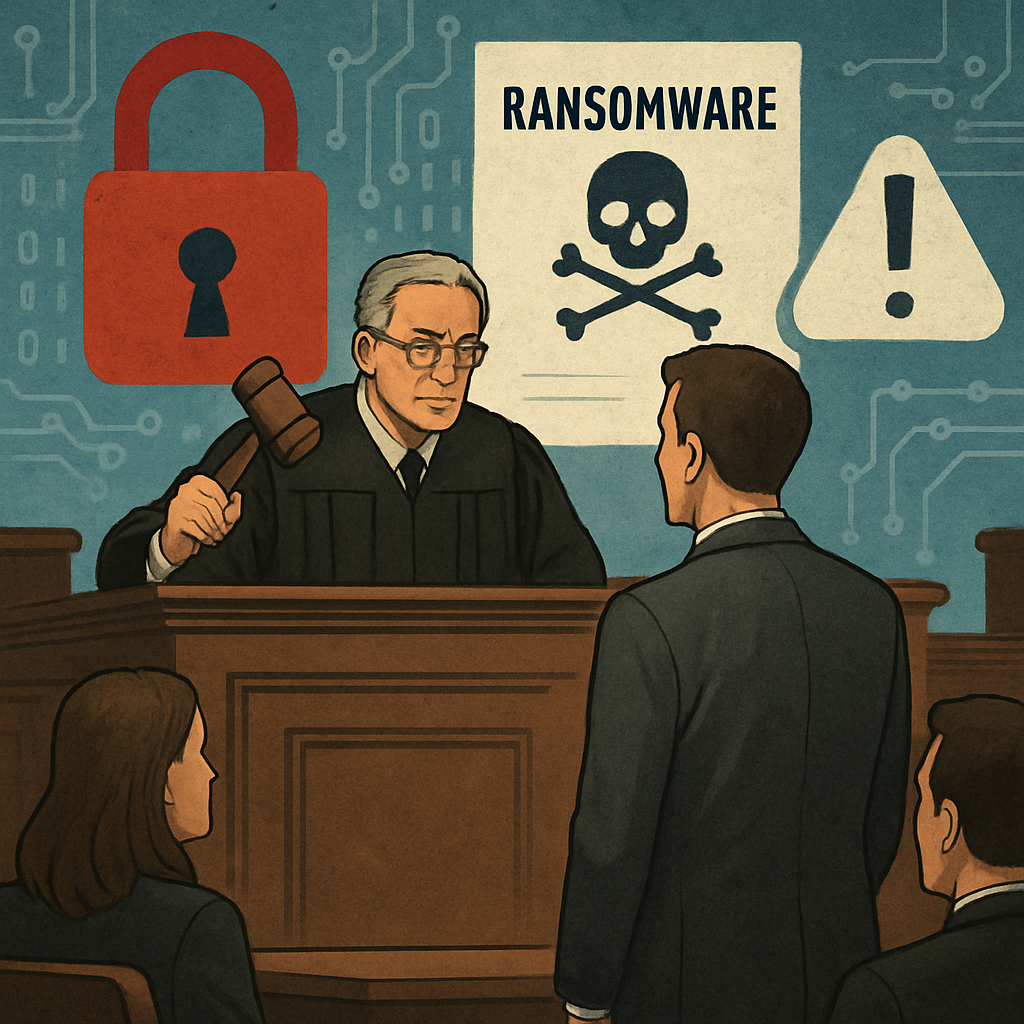
In a significant legal development, Angelo Martino, a former ransomware negotiator from Florida, has been sentenced to over five years in prison for conspiring with cybercriminals to deploy ransomware attacks against U.S. companies. The U.S. Department of Justice announced the sentencing on Thursday, highlighting the seizure of more than $10 million in cryptocurrency and assets acquired through illicit activities. These assets included a food truck and a luxury fishing boat, which Martino purchased using funds obtained from the ransomware attacks.
Martino’s conviction marks the third instance of cybersecurity professionals being imprisoned for collaborating with hackers. Previously, Kevin Martin and Ryan Goldberg were sentenced for similar offenses. Prosecutors revealed that the trio orchestrated the deployment of the BlackCat ransomware, also known as ALPHV, against multiple U.S. companies throughout 2023. In one notable incident, they extorted approximately $1.2 million from a single company, subsequently laundering and dividing the proceeds among themselves.
This case underscores the alarming reality of security professionals exploiting their positions to facilitate cybercrimes. While authorities have consistently advised against paying ransoms to deter cybercriminals, many companies opt to pay in hopes of safeguarding their customers’ private data from being leaked. This practice has led to the emergence of a specialized insurance sector in the U.S., dedicated to managing responses to ransomware and extortion attacks. Within this sector, negotiators are often employed to minimize ransom payments.
BlackCat operates as a ransomware-as-a-service (RaaS) platform, enabling independent hackers, referred to as affiliates, to utilize the gang’s file-encrypting malware in exchange for a share of the profits from successful cyberattacks. The group’s ransomware gained notoriety in February 2024 when it was used to steal highly sensitive medical and billing data of over 192 million Americans during a breach at U.S. health technology giant Change Healthcare. The specific affiliates responsible for this massive data breach have yet to be identified.
The sentencing of Martino serves as a stark reminder of the potential for insider threats within the cybersecurity industry. It highlights the necessity for organizations to implement stringent oversight and ethical standards to prevent professionals from exploiting their roles for malicious purposes. As ransomware attacks continue to evolve, the industry must remain vigilant and proactive in addressing both external and internal threats to maintain trust and security.