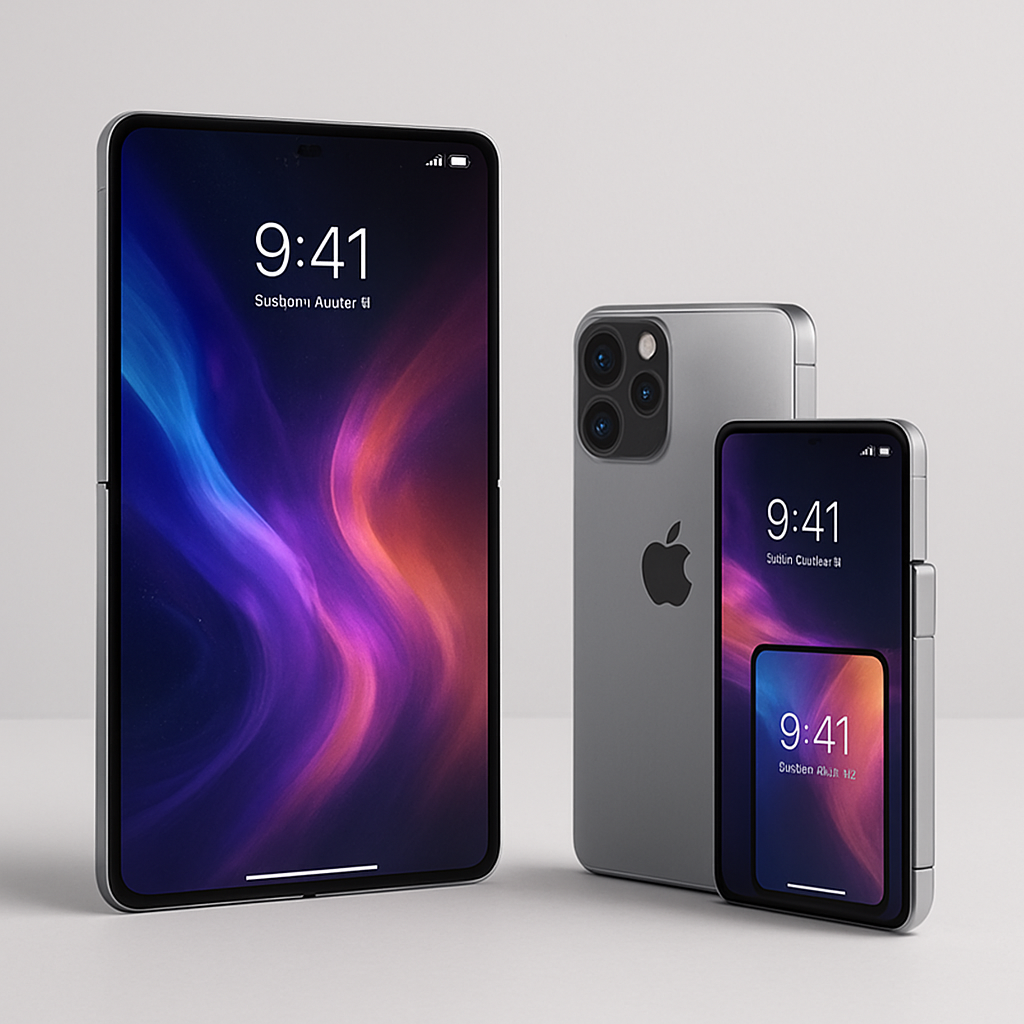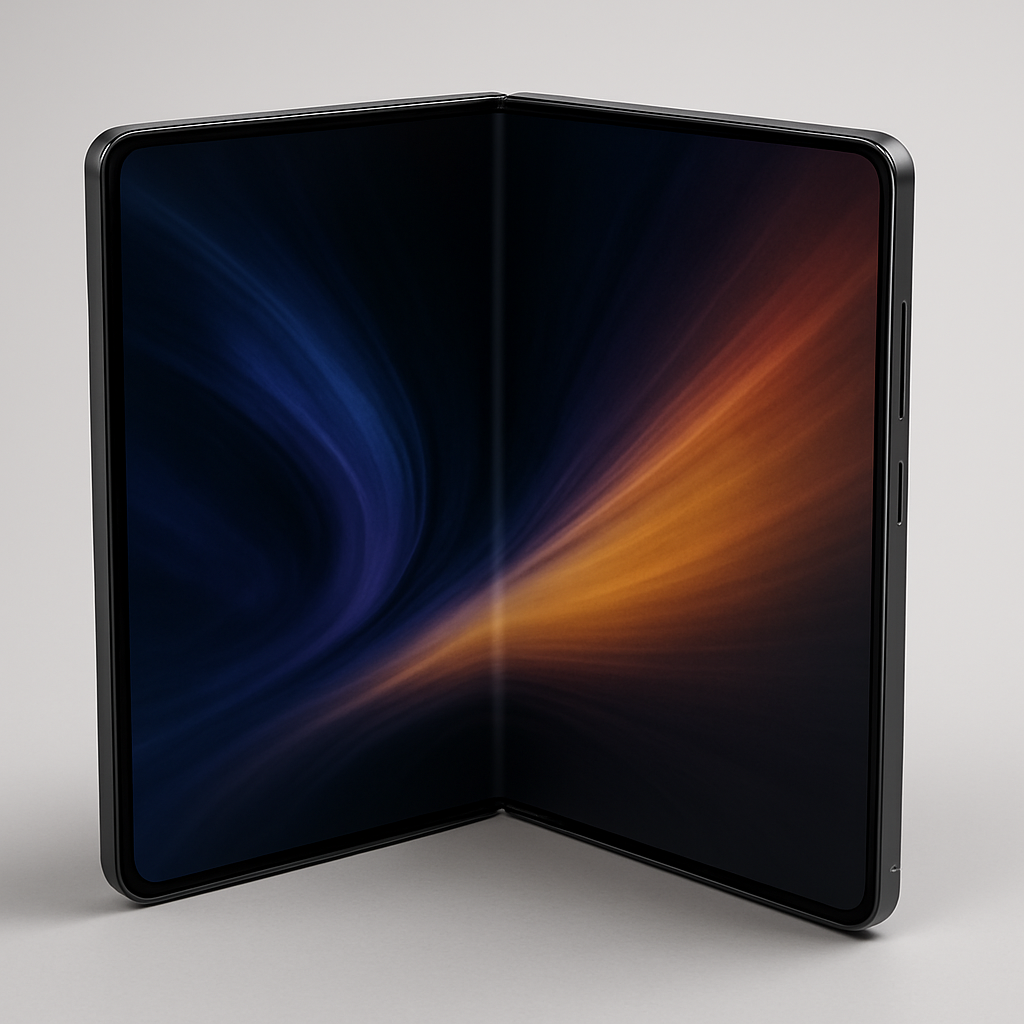
As anticipation builds for Apple’s upcoming iPhone Ultra, a recent leak has surfaced, purportedly detailing the device’s battery specifications. According to information shared on Weibo by leaker Digital Chat Station, Apple’s battery supplier has filed regulatory documents for two battery units with capacities of 1,921mAh and 2,962mAh, respectively. Combined, these suggest a total battery capacity of 4,883mAh for the iPhone Ultra.
This dual-cell battery configuration aligns with the design approach seen in other foldable smartphones. For instance, Samsung’s Galaxy Z Fold7 features a total battery capacity of 4,400mAh, while Google’s Pixel 10 Pro Fold boasts a 5,015mAh battery. The previous iteration, the Pixel 9 Pro Fold, was equipped with a 4,650mAh battery.
In addition to the iPhone Ultra’s battery details, the leak provides insights into the battery capacities of other models in the upcoming iPhone 18 series:
- iPhone 18 Pro: 4,288mAh for the eSIM variant and 4,056mAh for the physical SIM model. This represents an increase of 36mAh and 68mAh, respectively, compared to the iPhone 17 Pro.
- iPhone 18 Pro Max: 5,567mAh for the eSIM version and 5,391mAh for the physical SIM model, marking an increase of 479mAh and 568mAh over the iPhone 17 Pro Max.
While these figures offer a glimpse into potential battery enhancements, it’s essential to recognize that battery capacity is just one factor influencing overall battery life. Variables such as software optimization, hardware efficiency, and user behavior play significant roles. Given the iPhone Ultra’s novel foldable design, its real-world battery performance remains to be seen.
As with all leaks, it’s prudent to approach this information with caution until official confirmation is provided. Apple’s official announcement, expected in September, will offer comprehensive details on the iPhone Ultra’s specifications and capabilities.
The reported battery capacities suggest that Apple is making strides to enhance battery life across its upcoming devices. However, the true impact of these improvements will depend on how they integrate with the devices’ overall design and functionality. Consumers should await official information to make informed decisions.