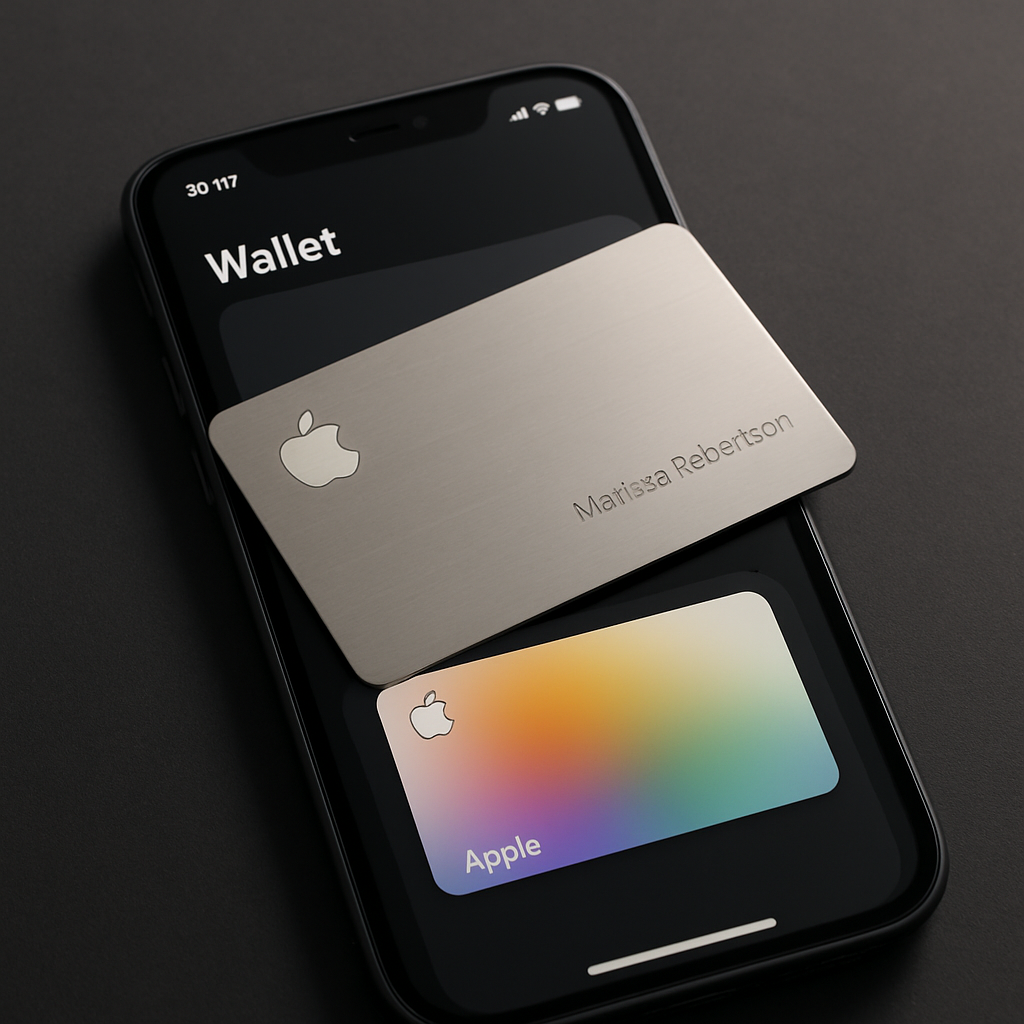
Launched in August 2019, Apple Card was introduced as a credit card designed to integrate seamlessly with the iPhone’s Wallet app. It aimed to simplify the credit card experience by offering features like real-time transaction tracking, spending summaries, and no fees. Users could apply directly from their iPhones and start using the card immediately upon approval. The physical card, made of titanium, was provided for purchases where Apple Pay wasn’t accepted.
Initially, Apple partnered with Goldman Sachs as the issuing bank and Mastercard as the payment network. This collaboration brought Apple into the financial services sector, offering users up to 3% Daily Cash back on purchases and emphasizing privacy and security. Despite its innovative features, Apple Card remained exclusive to the United States, with no expansion to other countries over the years.
In January 2026, Apple announced a significant shift: Chase would become the new issuer of Apple Card, replacing Goldman Sachs. This transition is expected to occur over a 24-month period. During this time, users can continue to use their cards as usual, with Mastercard remaining as the payment network. Apple emphasized that this change aims to continue providing a best-in-class experience and exceptional customer service.
Over the years, Apple Card has introduced several features to enhance user experience. These include the Apple Card Family, allowing users to share their card with family members, and a high-yield Savings account. Promotions, such as offering $100 in Daily Cash to new users who met specific spending criteria, have also been part of Apple’s strategy to attract and retain customers.
As Apple Card marks its seventh anniversary, the transition to Chase as the new issuer signifies a pivotal moment. This move could lead to further innovations and potentially pave the way for international expansion. Users should stay informed about upcoming changes and how they might impact their financial management with Apple Card.