Meta has recently introduced ‘Muse Image,’ an AI-driven feature that enables users to create and edit images directly within its applications. This tool allows for the generation of original images, modification of existing photos, and even the creation of custom advertisements. However, a particular functionality within Muse Image has sparked significant privacy concerns.
The feature permits users to generate AI images utilizing photos from public Instagram accounts. Specifically, if an Instagram profile is set to public, other users can tag that account and incorporate its images into AI-generated content. Notably, private accounts and those belonging to individuals under 18 are automatically excluded from this functionality.
The primary issue revolves around user consent. Individuals may be unaware that their publicly available photos can be used by others to create AI-generated images, and they are not notified when their content is repurposed in this manner. This raises potential risks, including misuse, harassment, impersonation, and unauthorized image editing.
Steps to Opt Out of Muse Image
For users who prefer to prevent their Instagram photos from being used in this way, the following steps can be taken:
- Navigate to your Instagram profile and tap the three horizontal lines located in the top-right corner.
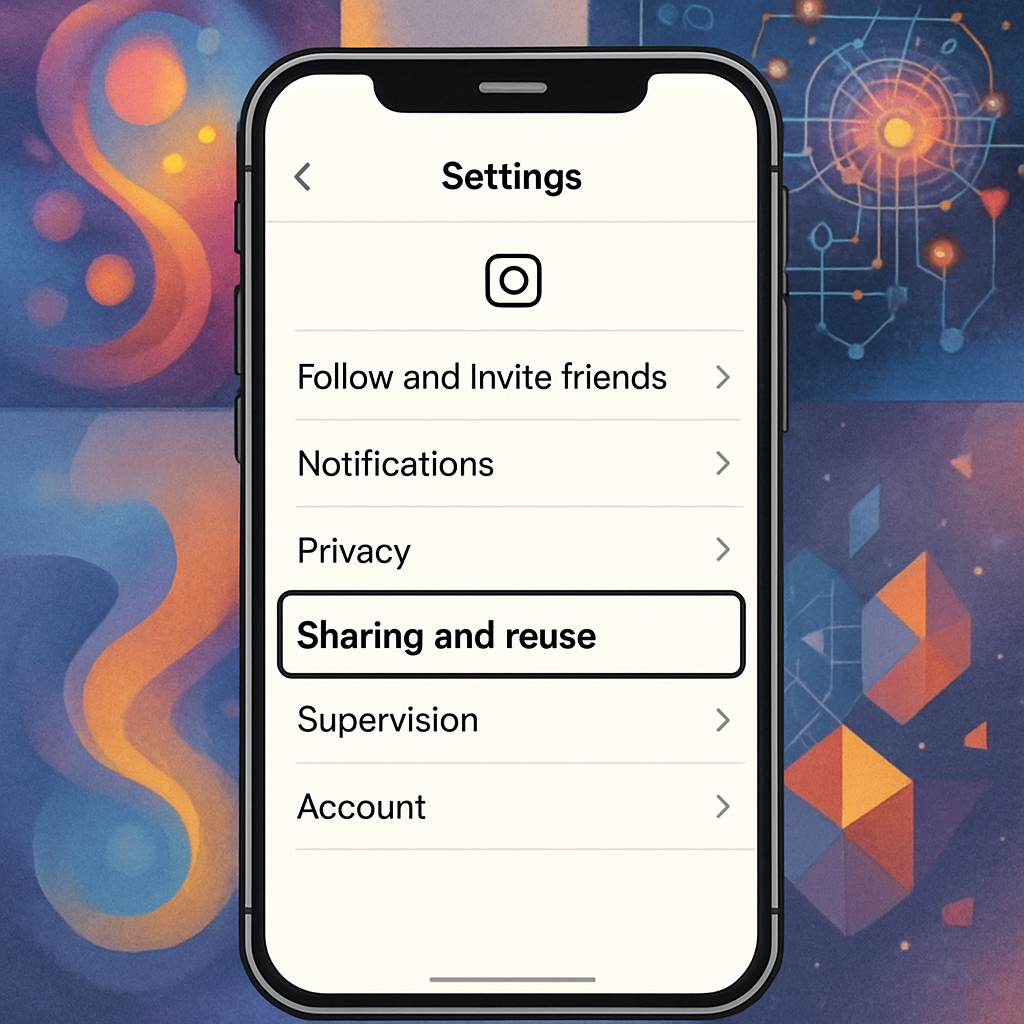
- Select ‘Sharing and reuse’ from the menu.
- Locate the option labeled ‘Allow people to create with and reuse your content.’
- Toggle this setting off for both posts and reels.
It’s important to note that this opt-out process is not prominently displayed, which may lead to many users remaining unaware of their default inclusion in this feature.
The introduction of Muse Image comes at a time when AI tools are increasingly being integrated into social media platforms. As technology companies rapidly deploy new generative AI features, there is a growing call for enhanced privacy protections and greater transparency. Users should be fully informed about how their photos and personal data are utilized.
Public skepticism regarding AI is already considerable. A survey by the Pew Research Center indicates that 35% of respondents express more concern than excitement about the expanding use of artificial intelligence. Additionally, Meta’s historical challenges with user privacy have contributed to the apprehension surrounding this new AI feature.
In 2019, the U.S. Federal Trade Commission imposed a $5 billion fine on Facebook, determining that the platform had violated a 2012 consent order by misleading users about their control over personal information. This followed a notable incident where the political consulting firm Cambridge Analytica accessed data from up to 87 million Facebook users through a personality quiz app, exploiting platform policies that allowed developers to collect information about users’ friends without their explicit consent.
Given this context, the rollout of Muse Image underscores the necessity for users to proactively manage their privacy settings and for companies to prioritize transparent communication regarding data usage. As AI continues to permeate various aspects of digital interaction, balancing innovation with user privacy remains a critical challenge.