Recent analyses indicate that the upcoming iPhone 18 Pro Max could see a substantial increase in production costs, with estimates suggesting a rise of nearly $300 compared to its predecessor. This escalation is primarily attributed to significant price hikes in NAND and DRAM components, as well as the integration of advanced technologies.
Counterpoint Research has conducted a comparative study between the 1TB versions of the iPhone 17 Pro Max and the anticipated iPhone 18 Pro Max. Their findings highlight that the costs associated with NAND and DRAM for the new model are expected to nearly equal the total component costs of the current model. This surge is largely due to ongoing component shortages that have been affecting the tech industry since late last year.
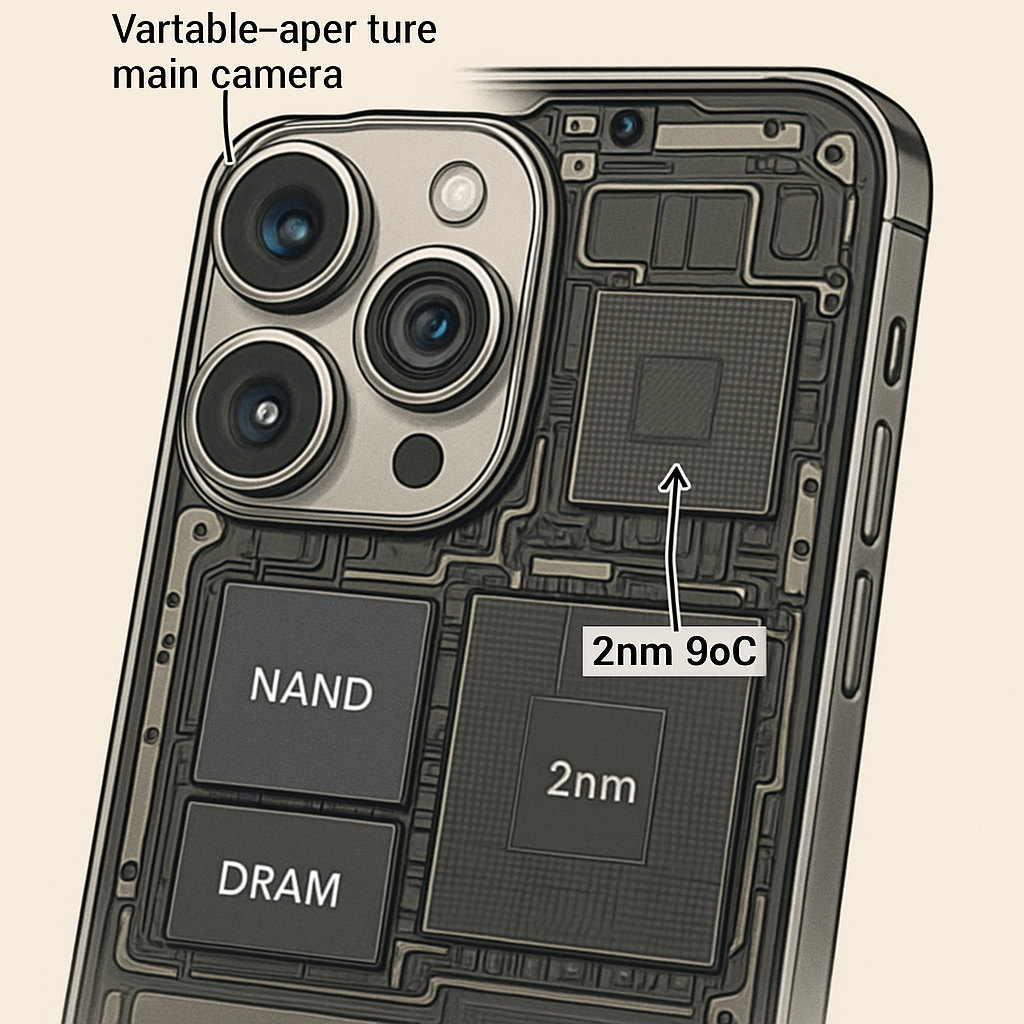
In addition to memory components, the introduction of a 2nm system-on-chip (SoC) with advanced packaging is projected to further elevate production expenses. While some components, such as the display, may experience cost reductions, the overall trend points towards increased expenditures. Notably, the camera system is expected to see a slight cost increase due to the incorporation of new technologies, including a variable-aperture main camera.
To mitigate these rising costs, Apple is anticipated to implement varied retail price increases across different storage variants. This strategy aims to preserve gross profit margins, particularly on models with larger storage capacities. Despite an average retail price increase of $200, the company is still expected to face slimmer profit margins on this year’s models.
These developments underscore the challenges Apple faces in balancing cutting-edge technological advancements with cost management. As the tech industry continues to grapple with component shortages and rising material costs, consumers may need to brace for higher price points in future flagship devices.