Ollama, an open-source AI development tool, has successfully raised $65 million in a Series B funding round led by Theory Ventures. This latest investment brings the company’s total funding to $88 million, following a previous $15 million Series A led by Benchmark’s Peter Fenton.
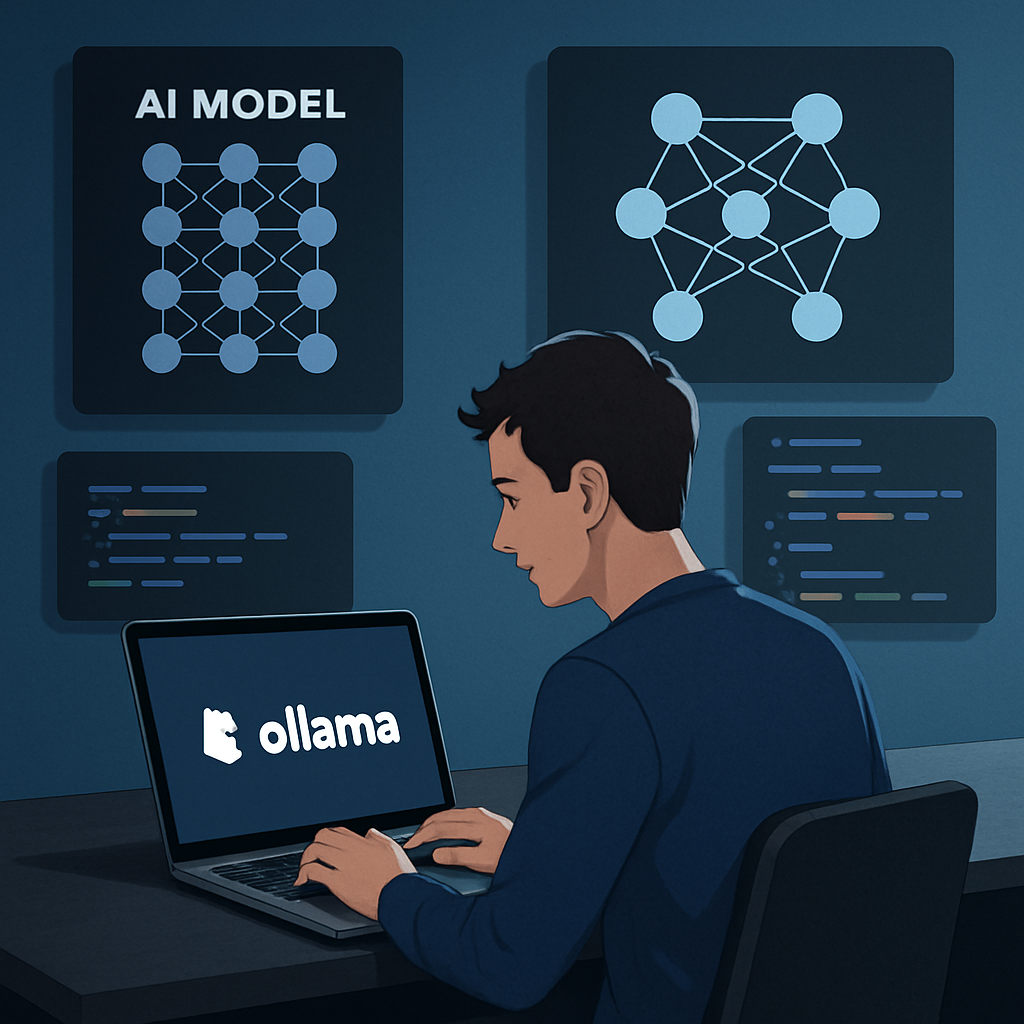
Launched in 2023, Ollama simplifies the process for developers to run open-weight AI models on personal computers, enabling setup within minutes. The tool has garnered significant acclaim within the developer community, accumulating 176,000 stars and nearly 17,000 forks on GitHub. Additionally, Ollama offers access to more complex models through its neocloud service, available via subscription tiers ranging from free to $100 per month, with usage tracked based on GPU time rather than token limits.
Founders Jeff Morgan and Michael Chiang, who previously developed Docker Desktop, have applied their expertise to make AI model deployment more accessible. Their prior experience with Docker, a platform that facilitates the seamless movement of cloud applications across different environments, has informed Ollama’s mission to streamline AI development.
Since its inception, Ollama has experienced rapid growth, now serving over 8.9 million developers monthly and being utilized by 85% of Fortune 500 companies. This expansion has been achieved with a lean team of just 14 employees.
The surge in interest for open models capable of performing complex tasks, such as coding, has contributed to Ollama’s success. The industry is increasingly recognizing the value of open models for cost-effective AI development, with companies balancing the use of both open and closed models based on specific needs.
Ollama’s trajectory underscores a broader trend in the tech industry: the democratization of AI development tools. By lowering the barriers to entry, Ollama empowers a diverse range of developers to innovate and contribute to the AI ecosystem. This approach not only accelerates technological advancement but also fosters a more inclusive developer community.