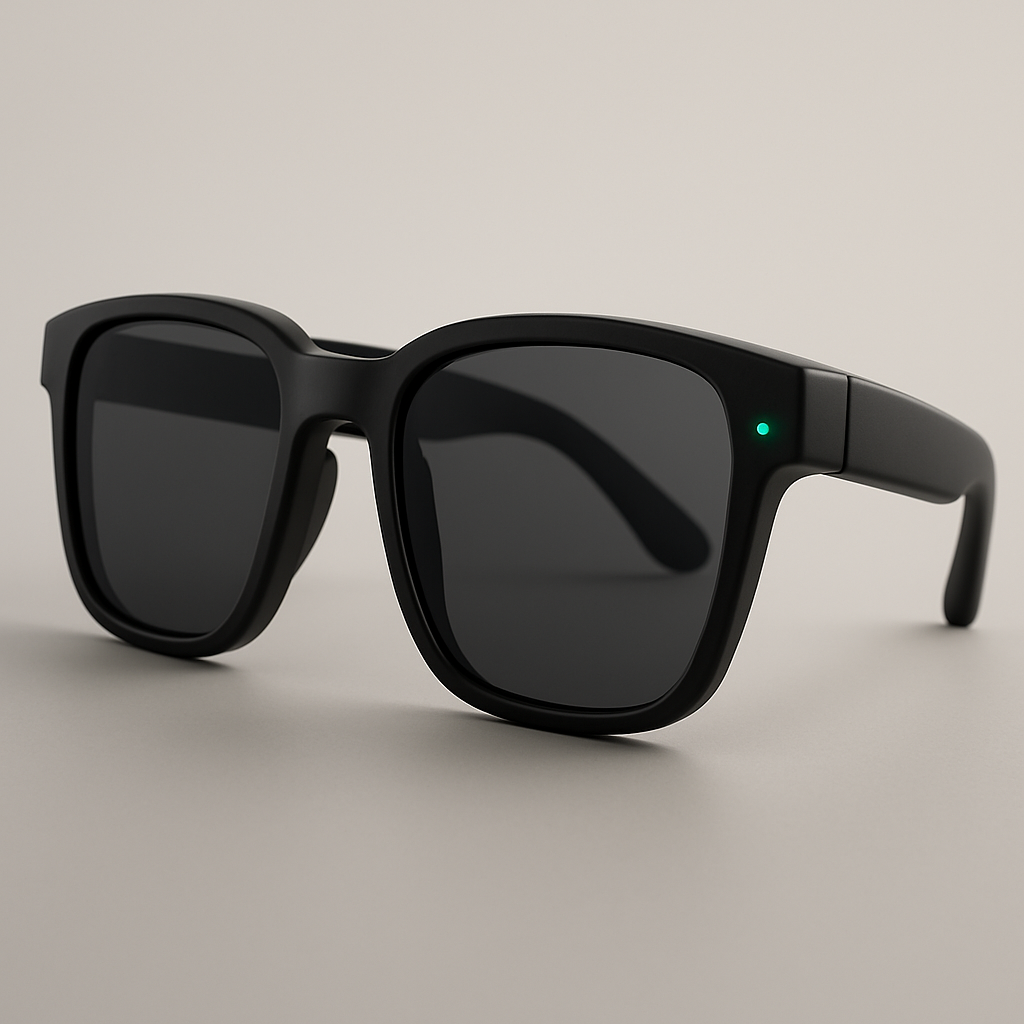
Meta has announced a new update for its AI-powered smart glasses, aiming to address growing privacy concerns. The update ensures that if the LED indicator light, which signals recording, is tampered with, the device’s camera will automatically disable. This move is intended to prevent unauthorized recording and reassure users about their privacy.
However, this development comes amid broader concerns about Meta’s data collection practices. The company has been integrating features that utilize personal user data, such as training its AI systems on user-uploaded images and enabling AI functionalities that process personal content unless users opt out. Additionally, reports suggest that Meta is testing prototypes of AI glasses capable of continuous audio recording and periodic photo capture, raising further privacy questions.
In its announcement, Meta highlighted the uniqueness of the LED safeguard, stating that no other camera has implemented such a feature. This measure was introduced in response to instances where individuals attempted to cover the LED light to record discreetly. Despite these efforts, some users have gone to lengths to modify or disable the LED, indicating a persistent risk of covert recording.
Compounding these concerns, Meta has faced legal challenges regarding the privacy implications of its AI glasses. A class-action lawsuit alleges that the company misled consumers about the privacy protections of the device. The lawsuit points to instances where contractors reviewing AI training data accessed sensitive user recordings, including intimate moments, without explicit consent.
Furthermore, investigations have revealed that Meta’s AI companion app contains dormant facial recognition code, sparking fears about potential biometric surveillance capabilities. Although the code is inactive, its presence suggests that future updates could enable facial recognition features, intensifying privacy debates.
While Meta’s introduction of the LED safeguard is a step toward enhancing user privacy, it appears to be a reactive measure addressing specific concerns rather than a comprehensive privacy strategy. The company’s ongoing data collection practices and the potential for expanded surveillance capabilities underscore the need for more transparent and robust privacy protections. Users should remain vigilant and informed about how their data is utilized, especially as wearable technology becomes increasingly integrated into daily life.