The global PC market is experiencing a significant downturn, with worldwide shipments declining by 4.9% year-over-year in the second quarter of 2026, totaling 68.2 million units. This marks the first decline in over two years, primarily attributed to escalating memory costs that have impacted consumer demand and production.
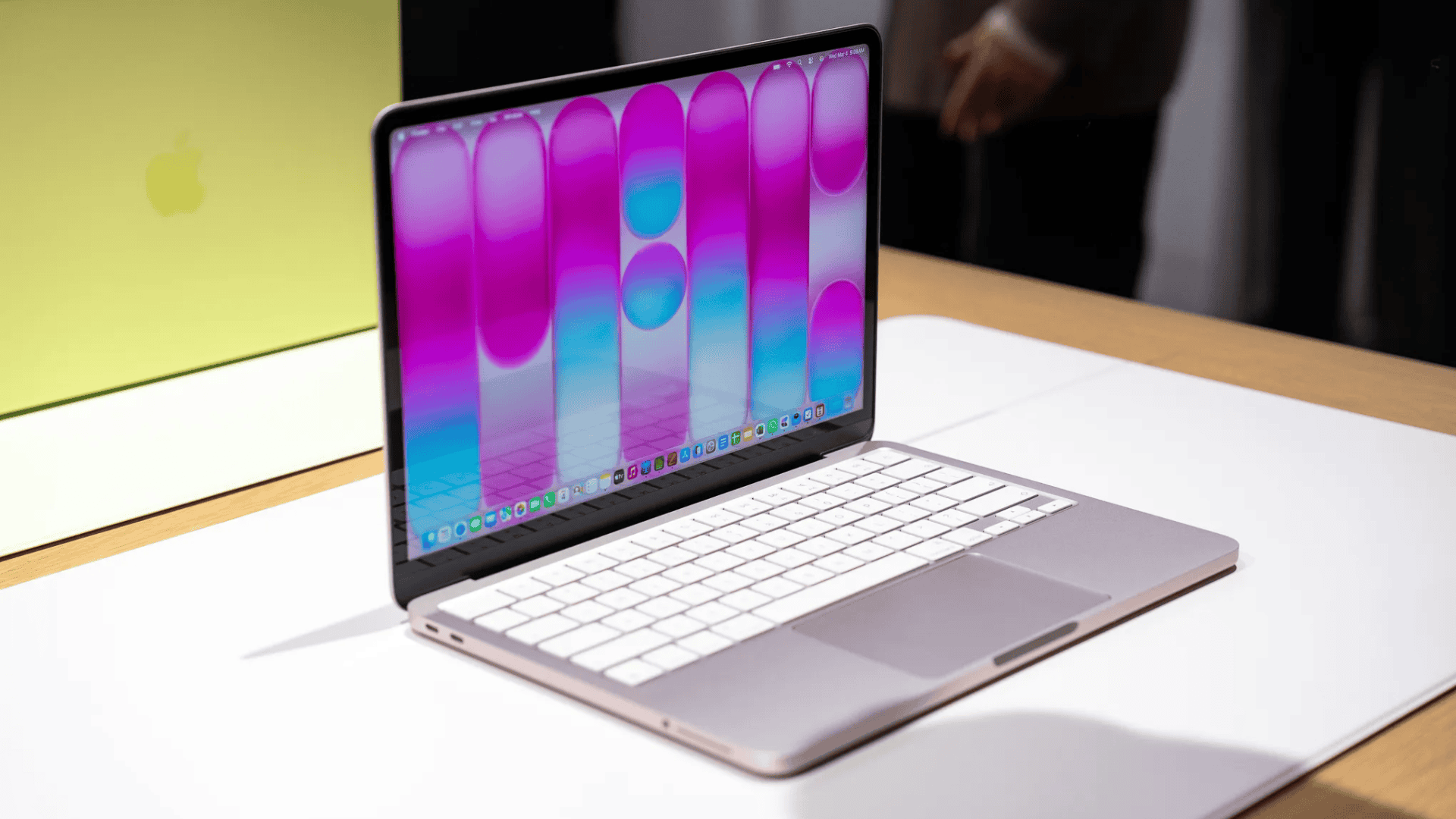
Despite this overall market contraction, Apple has emerged as a notable exception. The company reported a 10% increase in Mac shipments during the same period, capturing a 9.5% share of the global PC market. This growth is largely driven by the strong performance of the MacBook Neo, which has resonated well with consumers seeking high-performance computing solutions.
In contrast, other leading PC manufacturers have faced challenges. Lenovo, the market leader, experienced a 2.1% decline in shipments, while HP and Dell saw decreases of 9% and 5%, respectively. These declines are closely linked to the rising costs of DRAM and NAND flash memory, essential components in PC manufacturing.
The surge in memory prices is primarily due to increased demand from AI data centers, which require substantial amounts of high-bandwidth memory for training and operating large models. This demand has led to a significant portion of memory production being allocated to AI applications, resulting in reduced availability and higher prices for consumer electronics. Analysts project that DRAM contract prices could increase by 13–18% and NAND flash by 10–15% in the third quarter of 2026, following a 60% surge in the previous quarter.
Industry experts warn that the memory shortage may persist until 2030, as manufacturers struggle to expand production capacity to meet the growing demand from both AI applications and consumer electronics. This prolonged shortage is expected to continue affecting PC manufacturers, potentially leading to further declines in shipments and market share.
Apple’s ability to navigate these challenges and achieve growth in a declining market underscores its strategic positioning and product appeal. The company’s focus on integrating proprietary hardware and software, as seen in the MacBook Neo, has allowed it to offer compelling products that resonate with consumers. As the PC industry grapples with ongoing memory shortages and rising costs, Apple’s performance highlights the importance of innovation and supply chain management in maintaining a competitive edge.