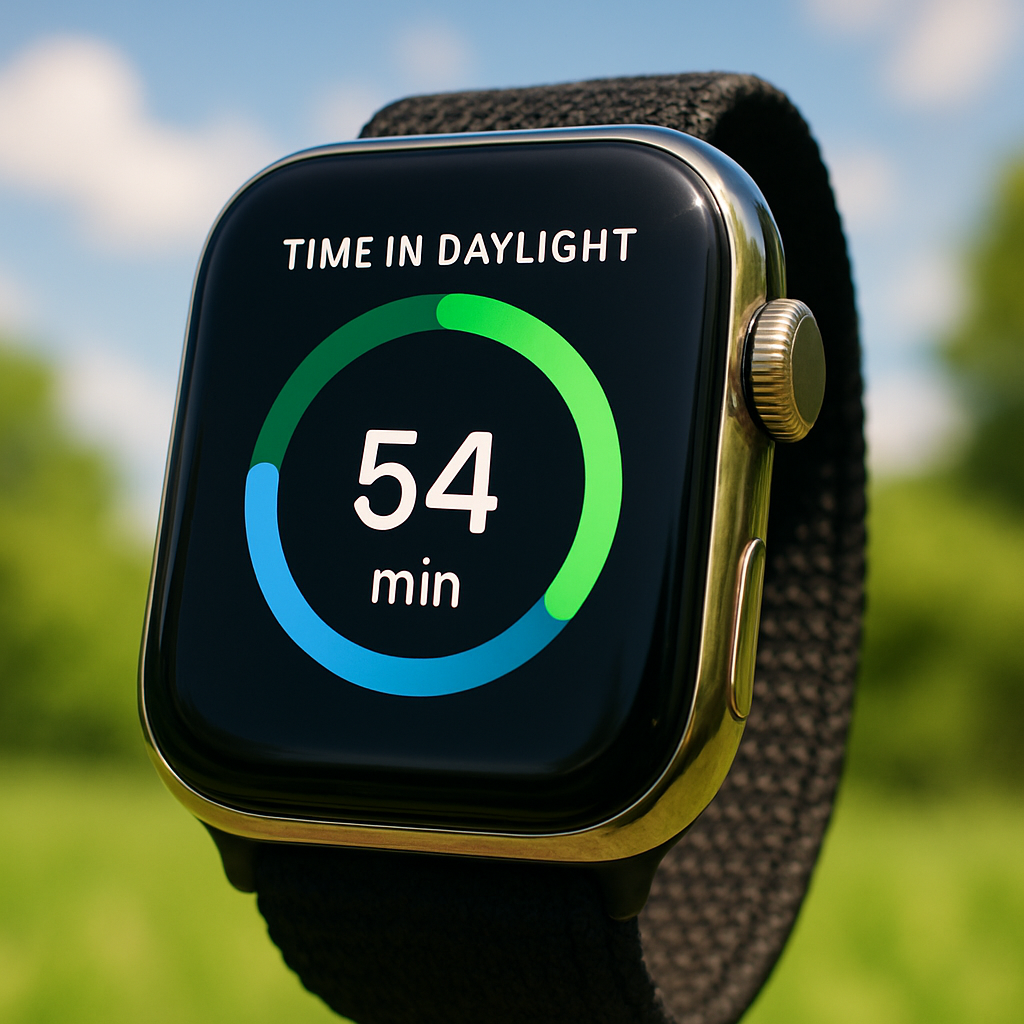
The Apple Watch, renowned for its comprehensive health and fitness tracking capabilities, includes a lesser-known feature that monitors the amount of time users spend in natural sunlight. This ‘Time in Daylight’ metric, introduced with iOS 17 in 2023, operates seamlessly in the background, providing valuable insights into daily sun exposure.
Utilizing the device’s ambient light sensor, the Apple Watch estimates the duration of time the wearer spends in daylight. This functionality requires no additional apps or manual activation, though users have the option to disable it if desired. Apple describes this feature in the Health app as an estimate of the time spent in sunlight, automatically recorded when the watch is unobstructed.
To access this data, users can open the Health app on their iPhone or iPad, tap the search icon, and enter ‘daylight’ into the search field. The ‘Time in Daylight’ metric can also be found under the Mental Wellbeing or Other Data sections within the Health Categories. This feature has been tracking data since June 2023, allowing users to review their sun exposure over an extended period.
Understanding and monitoring time spent in daylight is crucial, as exposure to natural light offers significant physical and mental health benefits. By quantifying this aspect of daily routines, the Apple Watch enables users to recognize and appreciate healthy habits beyond traditional exercise metrics. For instance, activities such as working outdoors can contribute to increased daylight exposure, positively impacting mood and overall well-being.
Incorporating ‘Time in Daylight’ tracking into the Apple Watch’s suite of health features underscores Apple’s commitment to holistic health monitoring. This tool empowers users to make informed decisions about their lifestyle, emphasizing the importance of balanced daily habits. As wearable technology continues to evolve, such features highlight the potential for devices to support comprehensive health and wellness strategies.