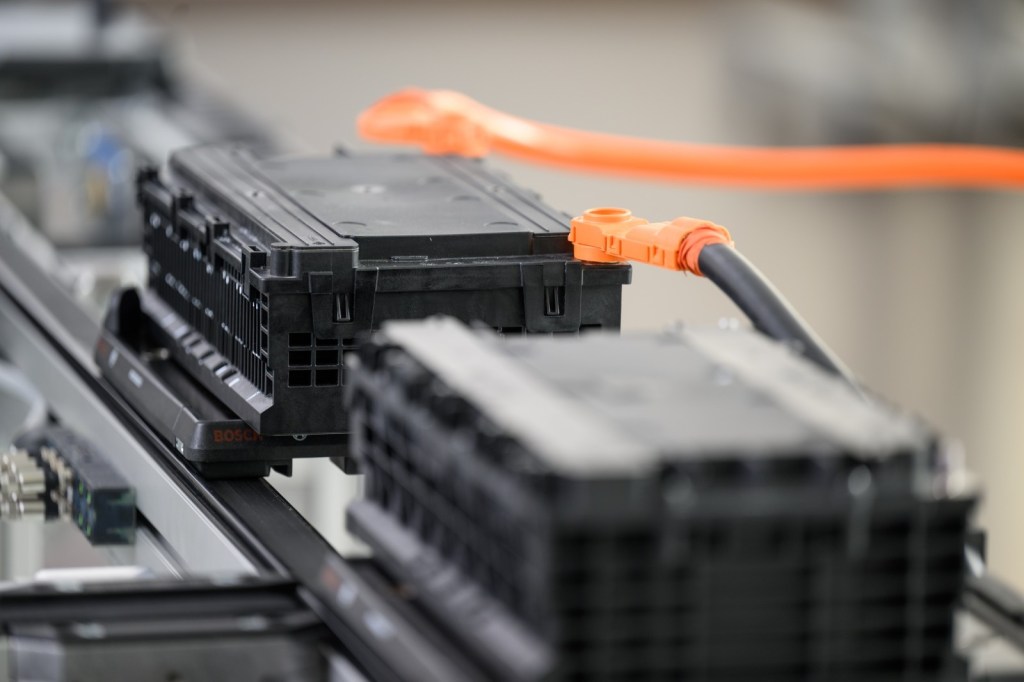
Apple has announced a significant expansion of its partnership with Broadcom, committing over $30 billion to design and produce custom silicon components and advanced wireless connectivity technologies for its products. This agreement is set to result in the production of more than 15 billion chips manufactured within the United States.
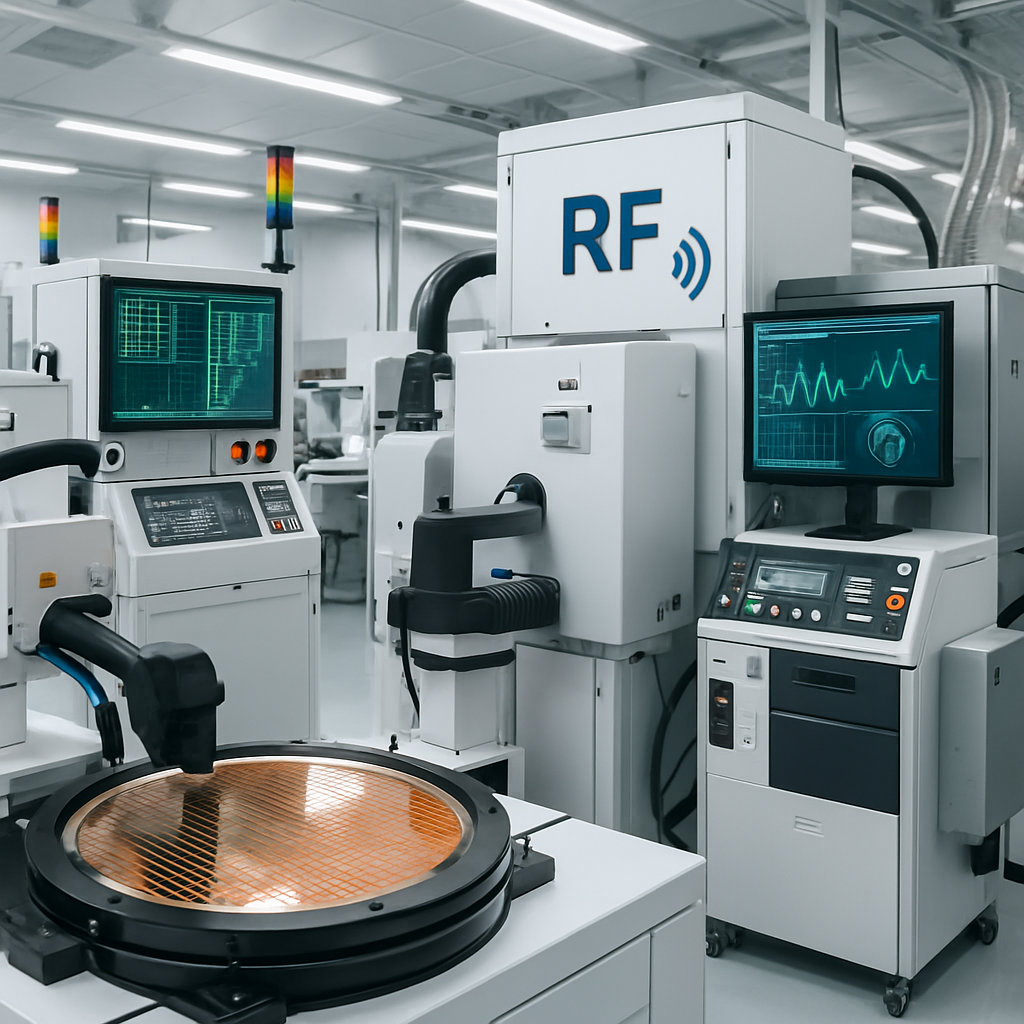
As part of this deal, Broadcom will invest $1.5 billion to expand and modernize its manufacturing facility in Fort Collins, Colorado. This facility will focus on producing advanced radio frequency components, including FBAR filters, which are essential for wireless communication in Apple devices. The investment is expected to support hundreds of American jobs, contributing to the local economy and the broader U.S. manufacturing sector.
This initiative is a key component of Apple’s American Manufacturing Program (AMP), launched last year to accelerate domestic manufacturing efforts. The $30 billion commitment to Broadcom represents the largest single investment under the AMP to date. Overall, Apple has pledged to invest $600 billion in the U.S. economy over four years, aiming to bolster manufacturing, job creation, and technological development across the country.
Apple’s CEO, Tim Cook, emphasized the importance of this partnership, stating that the components produced in Fort Collins are crucial for delivering the performance and connectivity that Apple customers expect. He also highlighted the company’s dedication to investing in U.S.-based suppliers that share Apple’s commitment to excellence and innovation.
Broadcom’s President and CEO, Hock Tan, expressed satisfaction with the expanded collaboration, noting that the company is pleased to grow its manufacturing footprint in Fort Collins, where it has been developing groundbreaking technology that connects people worldwide.
This strategic move by Apple underscores its commitment to strengthening the domestic supply chain and reducing reliance on foreign manufacturing. By investing heavily in U.S.-based production, Apple not only enhances its operational resilience but also contributes to the broader goal of revitalizing American manufacturing capabilities. This development is particularly significant in the context of ongoing global supply chain challenges and the increasing importance of technological self-sufficiency.