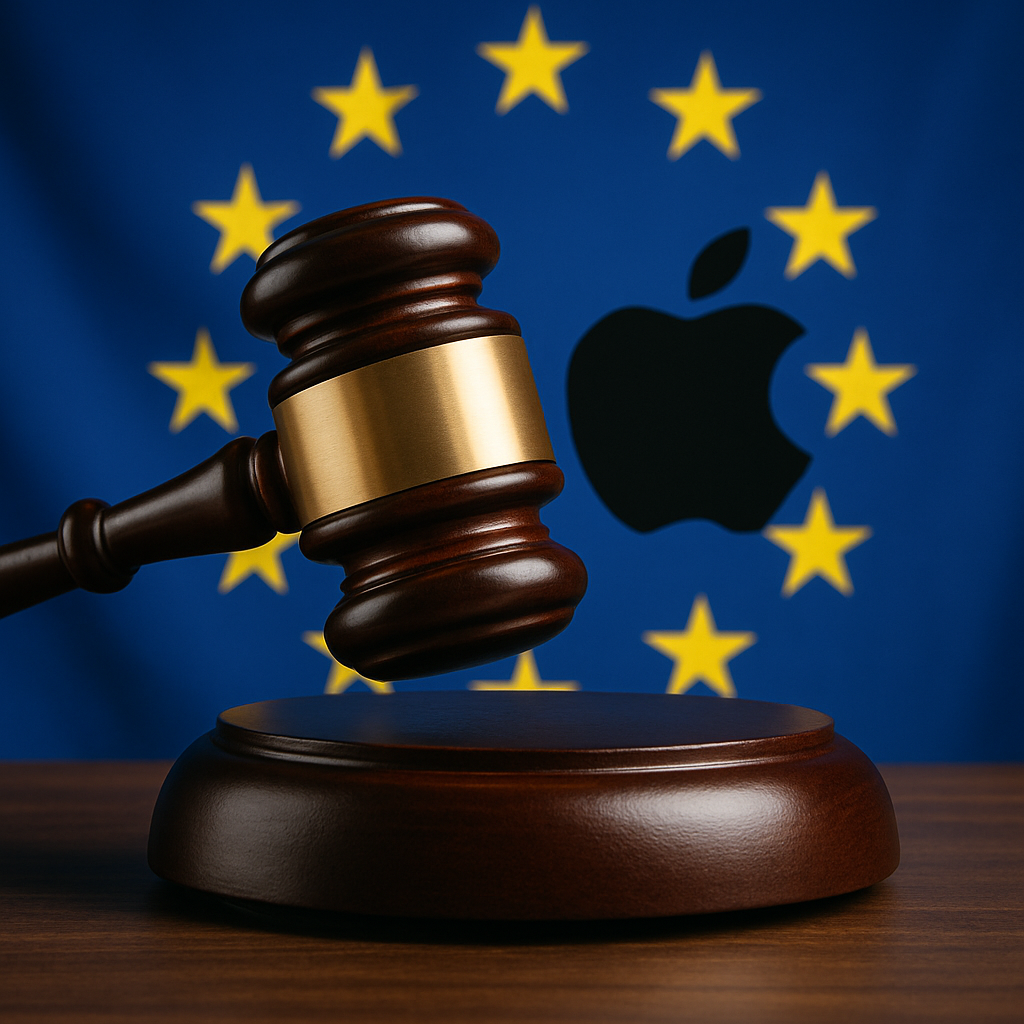
In a significant legal setback for Apple, the General Court of the European Union has dismissed the company’s challenge against its designation as a “gatekeeper” under the Digital Markets Act (DMA). This ruling mandates that Apple’s App Store and iOS operating system comply with stringent regulations aimed at fostering competition within the digital marketplace.
The European Commission’s 2023 decision classified Apple’s App Store and iOS as core platform services under the DMA. Apple contested this designation, arguing that its various App Stores across devices such as iPhone, iPad, Mac, Apple TV, and Apple Watch should be evaluated separately rather than as a unified platform. The court rejected this argument, emphasizing that these stores serve the same fundamental purpose: connecting app developers with end users to facilitate software distribution.
Additionally, Apple challenged the classification of iMessage as a number-independent interpersonal communications service (NIICS), which would subject it to EU telecommunications regulations. The court deemed Apple’s actions regarding iMessage inadmissible, effectively upholding the Commission’s stance.
In response to the ruling, an Apple spokesperson expressed concerns that the DMA’s requirements could undermine decades of privacy and security protections, potentially exposing users to new risks. The company affirmed its commitment to advocating for innovation and privacy for its European customers.
The DMA, enacted to curb the dominance of major tech companies, imposes obligations on designated gatekeepers. These include prohibitions against favoring their own services over competitors, restrictions on combining personal data across different services, and requirements to allow users the option to download apps from alternative platforms.
Apple’s loss in this legal battle underscores the EU’s determination to enforce the DMA and promote a more competitive digital environment. As the company navigates these regulatory challenges, it will need to adapt its business practices to align with the new legal landscape, potentially reshaping how it operates within the European market.