Apple has announced a significant expansion of its partnership with Broadcom, committing over $30 billion to produce more than 15 billion chips within the United States. This initiative represents the largest investment to date under Apple’s American Manufacturing Program (AMP), which aims to bolster domestic manufacturing capabilities.
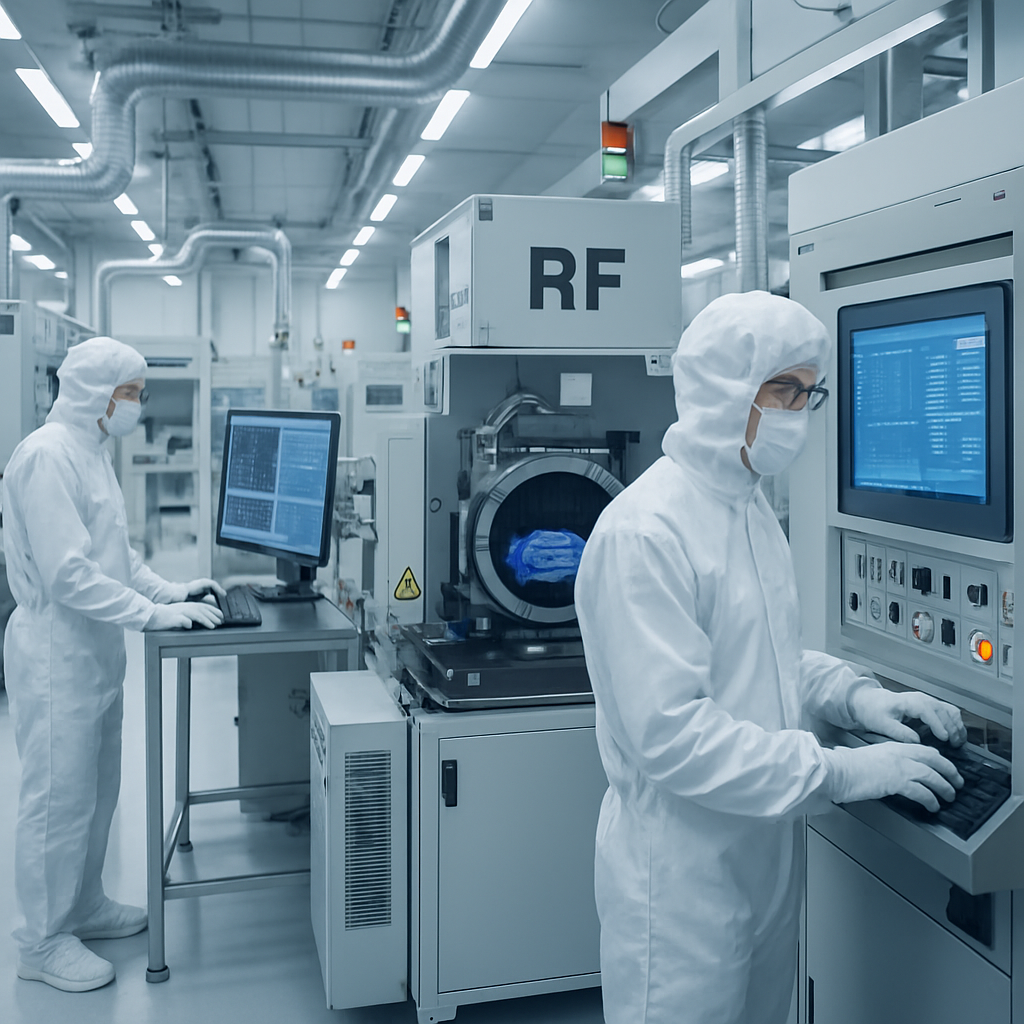
As part of this agreement, Broadcom will invest $1.5 billion to enhance and modernize its manufacturing facility in Fort Collins, Colorado. The upgraded plant will focus on producing advanced radio frequency components, including FBAR filters, essential for wireless connectivity in Apple’s devices. This expansion is expected to support hundreds of American jobs, contributing to the local economy and the broader U.S. manufacturing sector.
Apple’s CEO emphasized the importance of these components in delivering the high performance and connectivity that customers expect. He also highlighted the company’s commitment to deepening investments in U.S.-based suppliers that share Apple’s dedication to innovation and excellence.
This deal is part of Apple’s broader commitment to invest $600 billion in the U.S. economy over four years, supporting manufacturing, job creation, and technological development across the country. By strengthening its domestic supply chain, Apple aims to reduce reliance on foreign manufacturing and enhance the resilience of its production processes.
Broadcom’s President and CEO expressed pride in continuing the longstanding partnership with Apple and expanding the company’s manufacturing footprint in Fort Collins. He noted that this collaboration underscores a shared commitment to American innovation and the development of cutting-edge technologies.
In the context of global supply chain challenges and increasing demand for advanced electronic components, this partnership between Apple and Broadcom signifies a strategic move to secure a stable and localized supply of critical parts. It also reflects a broader trend among tech companies to invest in domestic manufacturing capabilities, ensuring greater control over production processes and supply chain resilience.
As the tech industry continues to evolve rapidly, such investments are crucial for maintaining competitive advantages and meeting the growing demands of consumers for high-quality, reliable products. This collaboration between Apple and Broadcom not only strengthens their respective positions in the market but also contributes to the revitalization of the U.S. manufacturing sector, setting a precedent for future partnerships and investments in domestic production.