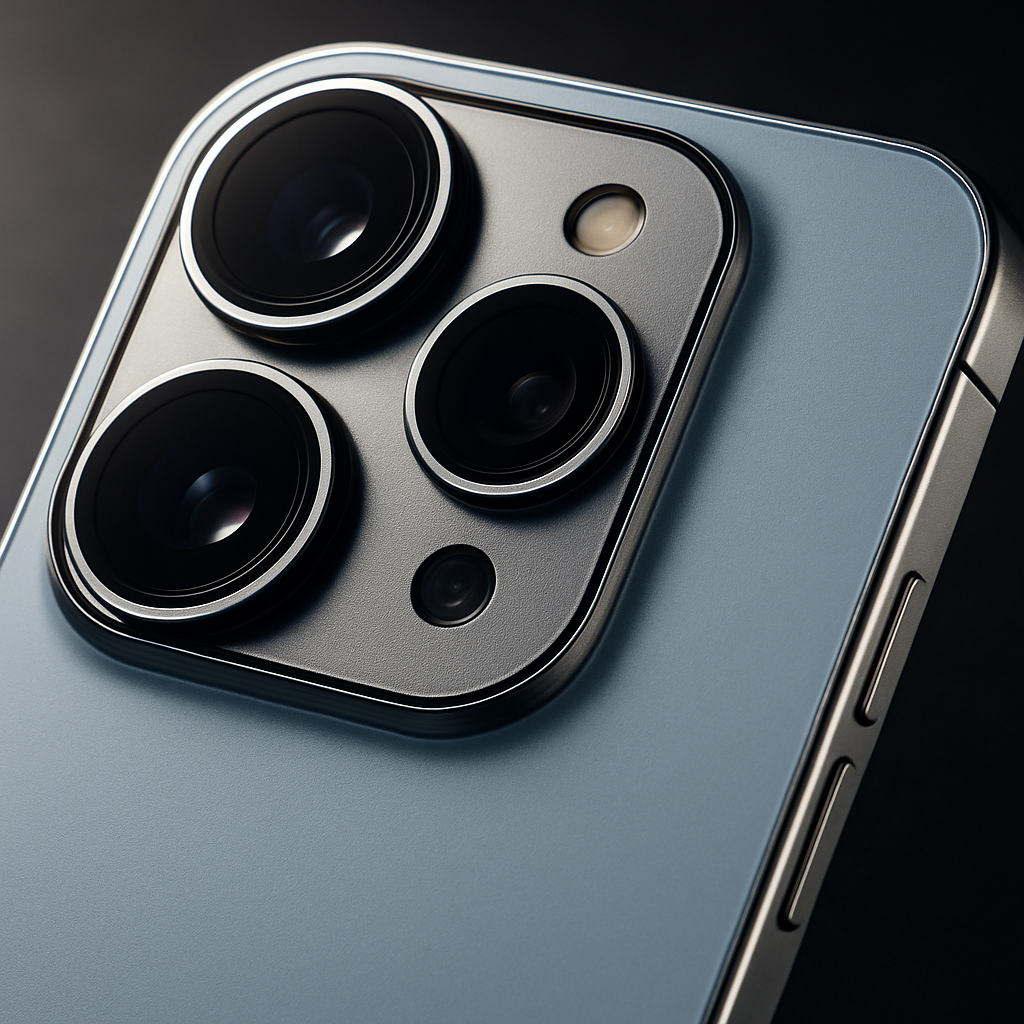
Recent leaks suggest that the upcoming iPhone 18 Pro will feature a noticeably thicker camera bump compared to its predecessor, the iPhone 17 Pro. This design change is reportedly due to significant upgrades in the main camera system.
According to information from leaker Fixed Focus Digital, the iPhone 18 Pro’s aluminum alloy mid-frame and rear camera housing will both see an increase in thickness. Specifically, the rear camera plateau is expected to be approximately 2mm thicker than that of the iPhone 17 Pro. This adjustment is believed to accommodate an enlarged main camera module, indicating substantial enhancements to the device’s photographic capabilities.
Dummy models of the iPhone 18 Pro Max provide further insight into these changes. Measurements indicate that the overall thickness of the device, including the camera lenses, will increase from 12.92mm on the iPhone 17 Pro Max to 13.77mm on the iPhone 18 Pro Max. The camera plateau itself is also expected to grow slightly, from 11.23mm to 11.54mm. These physical changes suggest that Apple is prioritizing camera performance in its upcoming flagship model.
One of the anticipated upgrades is the introduction of a variable aperture in the main camera. This feature allows the camera to adjust the size of the lens opening, controlling the amount of light that reaches the sensor. In bright conditions, the aperture can close to prevent overexposure, while in low-light scenarios, it can open wider to capture more light, potentially improving image quality across various lighting environments.
While the increased thickness of the camera bump may be a concern for some users, it reflects Apple’s commitment to advancing camera technology in its smartphones. The enhancements are expected to deliver improved photographic performance, aligning with the growing demand for high-quality mobile photography.
As the official unveiling of the iPhone 18 Pro approaches, it will be interesting to see how these design changes impact user experience and whether the trade-off in device thickness is justified by the anticipated improvements in camera functionality.