Selling a used car has traditionally been a cumbersome process, often leaving sellers with less than optimal returns. While services like Carvana offer convenience, they may not provide the best financial outcome. Alternatively, approaching individual dealerships can be time-consuming and yield inconsistent offers.
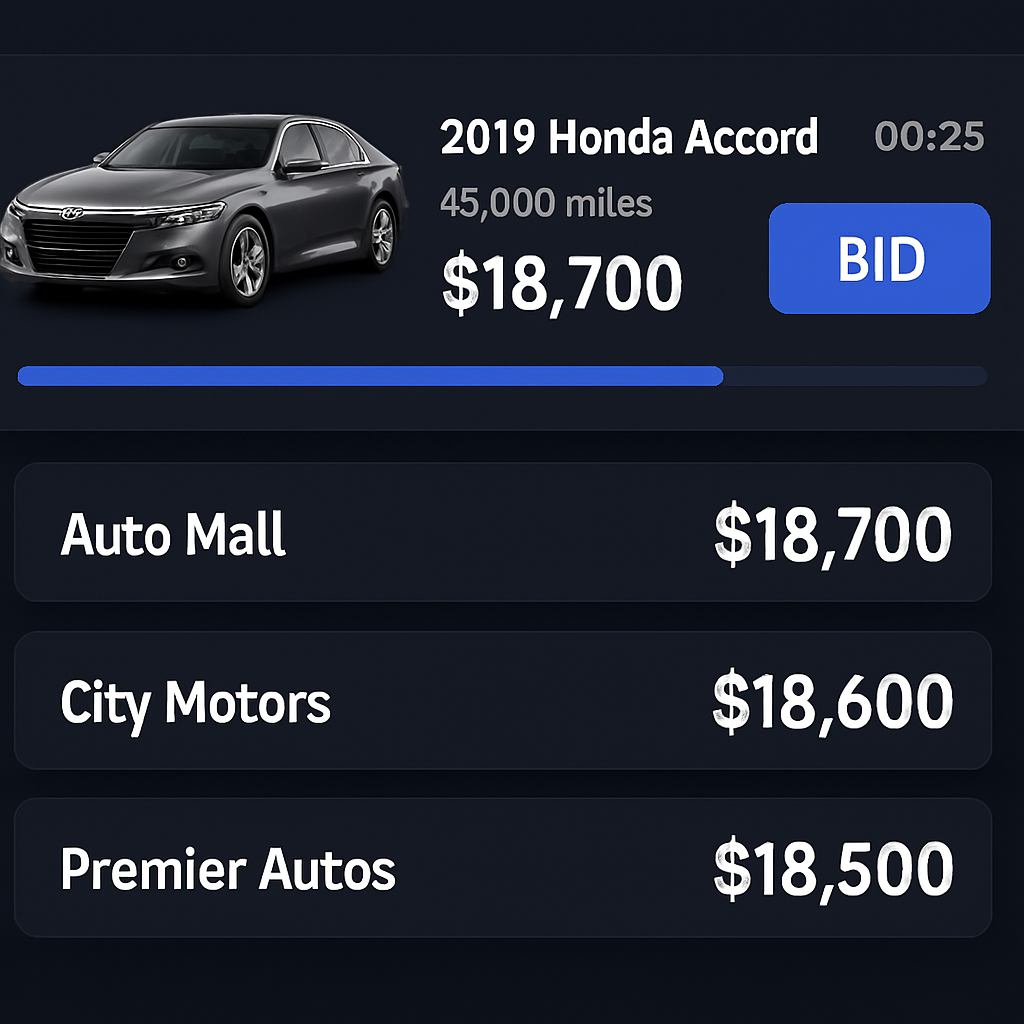
Enter Bidbus, a Los Angeles-based startup aiming to streamline this experience. By creating a digital marketplace where multiple dealerships compete to purchase used cars, Bidbus has been able to secure offers that are, on average, $2,000 to $3,000 higher than those from platforms like Carvana.
Recently, Bidbus secured a $15 million Series A funding round led by Ibex Investors, an early-stage mobility fund. Other participants included Mucker Capital, FJ Labs, Motley Fool Ventures, Data Point Capital, Walter Ventures, and Yossi Levi, known as the Car Dealership Guy. This infusion of capital is set to fuel Bidbus’s expansion beyond its initial markets in California and Texas.
The inception of Bidbus traces back to co-founder and CEO Duke Yan’s personal experiences with buying and selling cars. Frustrated by the low offers his mother received from dealerships, Yan initiated a group chat where multiple buyers could bid on the vehicle, leading to a higher sale price. This experience highlighted the inefficiencies in the used car market and inspired the creation of Bidbus.
Yan believes that the challenges in used-car affordability stem from market inefficiencies rather than financing issues. He points out that consumers often lack access to real-time pricing for trade-ins, while dealerships struggle to source quality inventory. Many valuable used cars remain unused in private driveways, representing untapped potential.
Bidbus’s platform resonates with dealerships, as it mirrors the auction processes they are already familiar with. By connecting dealers directly with private sellers, Bidbus provides access to high-quality inventory that might otherwise be inaccessible. The platform capitalizes on the price gap between online buyers and dealerships, often amounting to thousands of dollars, ensuring that sellers receive competitive offers even after Bidbus takes its commission.
Beyond financial benefits, Yan aims to make the car-selling process engaging. Drawing inspiration from stock-trading apps like Robinhood and social media platforms like TikTok, Bidbus offers a dynamic user experience. Once a car is listed, dealers have a limited window to place bids. The platform displays live bids prominently, encouraging users to share their experiences and attract new sellers.
Yan envisions a future where selling a car is as transparent and competitive as trading stocks, with prices determined by market dynamics rather than individual buyers. However, building Bidbus has not been without challenges. Initially bootstrapped, the company faced hurdles, including the need to ban a major dealer who attempted to manipulate the bidding process. Despite these obstacles, Bidbus has continued to grow and refine its platform.
The success of Bidbus underscores a broader trend in the automotive industry: the shift towards digital solutions that enhance transparency and efficiency. As consumers increasingly seek convenient and profitable ways to sell their vehicles, platforms like Bidbus are well-positioned to meet this demand. The recent funding round not only validates Bidbus’s business model but also sets the stage for its expansion into new markets, potentially transforming the used car sales landscape.