Cybercriminals are increasingly targeting job seekers by impersonating recruiters from well-known companies. These attackers craft convincing emails and fake career pages to deceive individuals into divulging their Gmail login credentials. The sophistication of this campaign lies in its meticulous personalization and the use of legitimate services to mask malicious intent.
The attack initiates with an email that appears to come from a genuine recruiter, offering a marketing position. The message is personalized, addressing the recipient by name and referencing their professional background, indicating that the attackers have conducted prior research. This level of detail enhances the email’s credibility, increasing the likelihood that the recipient will engage with the content.
Upon clicking the provided link, the victim is led through a series of redirects that utilize legitimate platforms. The email is dispatched via PeopleForce, a reputable human resources and applicant tracking system. The link then passes through Salesforce Marketing Cloud and Wise Agent, both recognized services in their respective fields. This multi-layered redirection strategy lends an air of authenticity to the phishing attempt, enabling it to bypass security filters effectively.
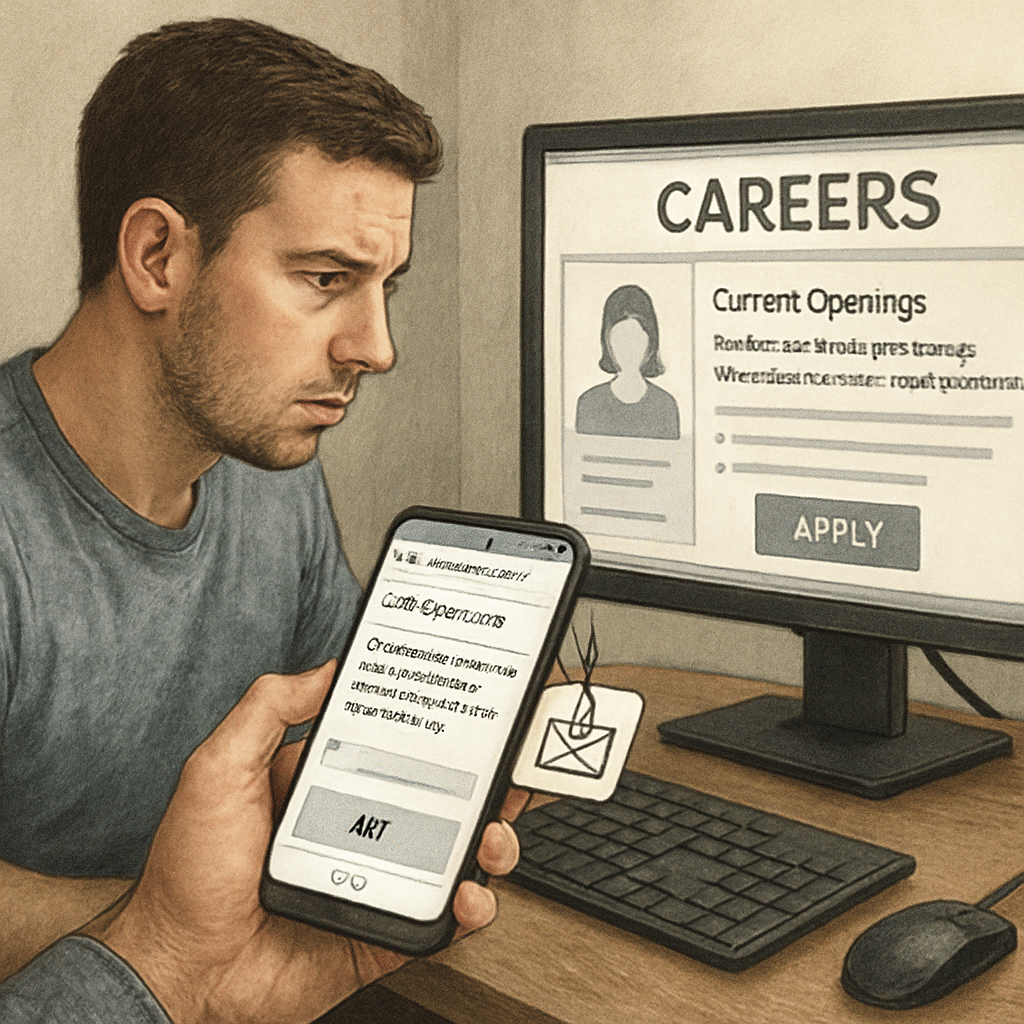
The final destination is a counterfeit career page designed to mirror the hiring portal of a prominent company. For instance, one such page imitated McKinsey & Company’s careers section and was hosted on Netlify, a popular web development platform. A notable aspect of this phishing page is the implementation of a ‘Browser in the Browser’ technique. Instead of redirecting users to an actual Gmail login page, the site displays a fake pop-up window that closely resembles the genuine login interface. Unsuspecting users who enter their credentials into this window inadvertently provide them directly to the attackers.
This method is particularly effective because the counterfeit pop-up replicates browser elements like the address bar, making it challenging to detect even for vigilant users. Job seekers, eager to secure employment opportunities, may overlook subtle signs of deception, rendering them especially susceptible to such tactics.
The scale of this operation is extensive, with attackers impersonating a diverse array of brands across various industries. Identified fraudulent career domains mimic airlines such as American Airlines, Delta, and United, as well as travel platforms like Booking.com. Food and beverage companies like Coca-Cola, PepsiCo, and Red Bull have also been targeted. The campaign extends to the fashion and retail sectors, with fake pages for brands like Adidas, Louis Vuitton, Sephora, and Levi’s. Technology and consulting firms are not exempt, as evidenced by the McKinsey & Company impersonation.
In light of these developments, it is imperative for job seekers to exercise heightened vigilance. Always verify the authenticity of recruitment communications by cross-referencing with official company channels. Be cautious of unsolicited job offers that seem too good to be true, and avoid providing personal information through links embedded in emails. By adopting these precautionary measures, individuals can better protect themselves against such sophisticated phishing schemes.