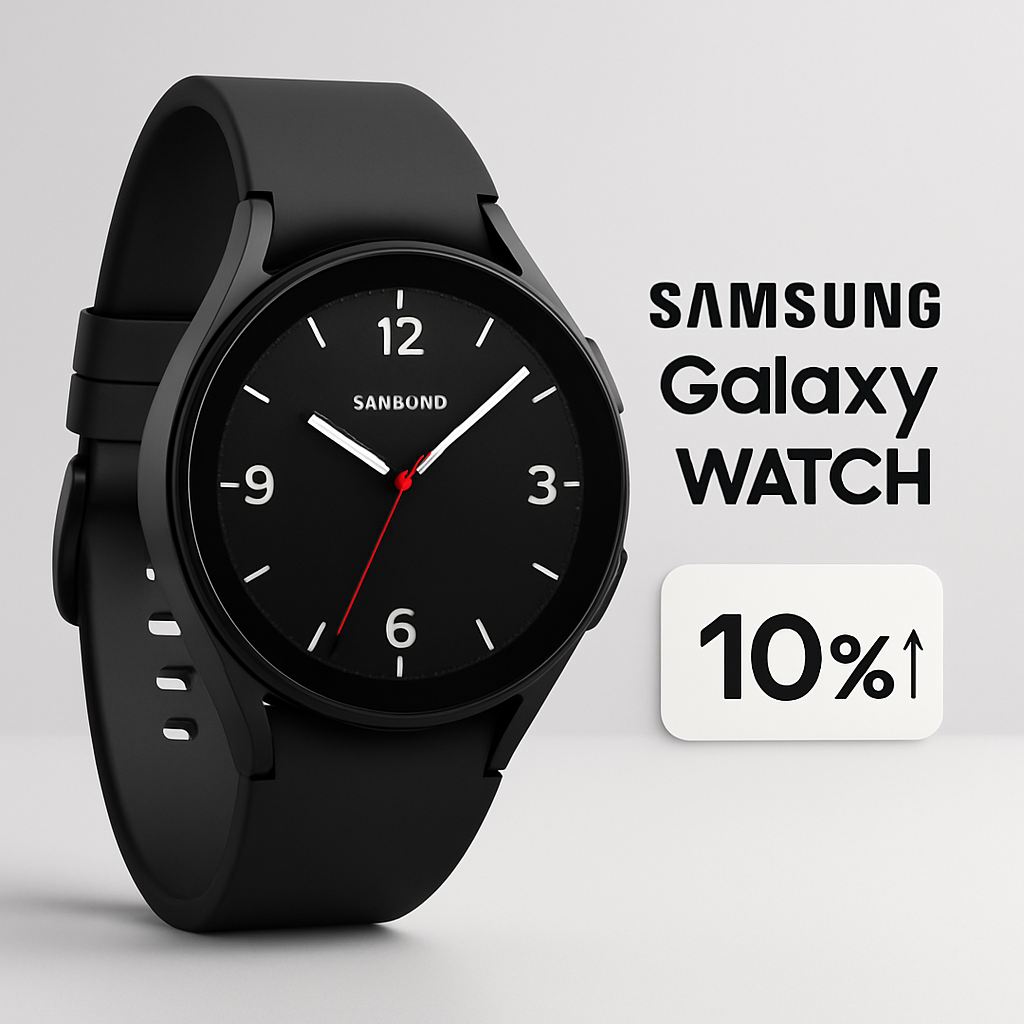
Samsung is reportedly planning to increase the prices of its upcoming Galaxy Watch 9 series and Galaxy Watch Ultra 2, with European prices expected to rise by approximately 10%. This information comes from a recent report indicating that the Galaxy Watch 9 40mm Bluetooth variant will be priced at €409 in Germany, marking a €40 increase from its predecessor.
The anticipated pricing for the new smartwatch lineup in Europe is as follows:
- Galaxy Watch 9 40mm Bluetooth: €409.00 (+€40)
- Galaxy Watch 9 40mm LTE: €459.00 (+€50)
- Galaxy Watch 9 44mm Bluetooth: €439.00 (+€30)
- Galaxy Watch 9 44mm LTE: €489.00 (+€30)
- Galaxy Watch Ultra 2 LTE: €749.00 (+€50)
These increases suggest that Samsung is banking on consumers being willing to pay more for enhanced features and performance in their wearable devices. However, the exact improvements or new functionalities that justify this price hike have not been detailed yet.
For customers in the United States, direct currency conversion may not accurately reflect the new pricing. Nonetheless, a similar increase of around $50 is anticipated across the board. This potential uptick in cost may prompt some consumers to consider purchasing the current Galaxy Watch 8 series or the existing Watch Ultra model before the new prices take effect.
It’s also noteworthy that Samsung’s forthcoming Galaxy Z Fold 8 Ultra is expected to be priced at €2,199, representing a €100 increase. This price adjustment comes despite the device offering only incremental upgrades over its predecessor, raising questions about the value proposition of the new model.
As Samsung prepares for its July 22 Unpacked event, consumers will be keen to see if the company provides compelling reasons for these price increases. The success of the Galaxy Watch 9 series and Watch Ultra 2 may hinge on whether the new features and improvements can justify the higher costs.
In the broader context, this move reflects a trend among tech companies to elevate prices, possibly in response to rising production costs or to position their products as premium offerings. Consumers will need to weigh the benefits of the new models against their budgets and determine if the enhancements align with their needs.