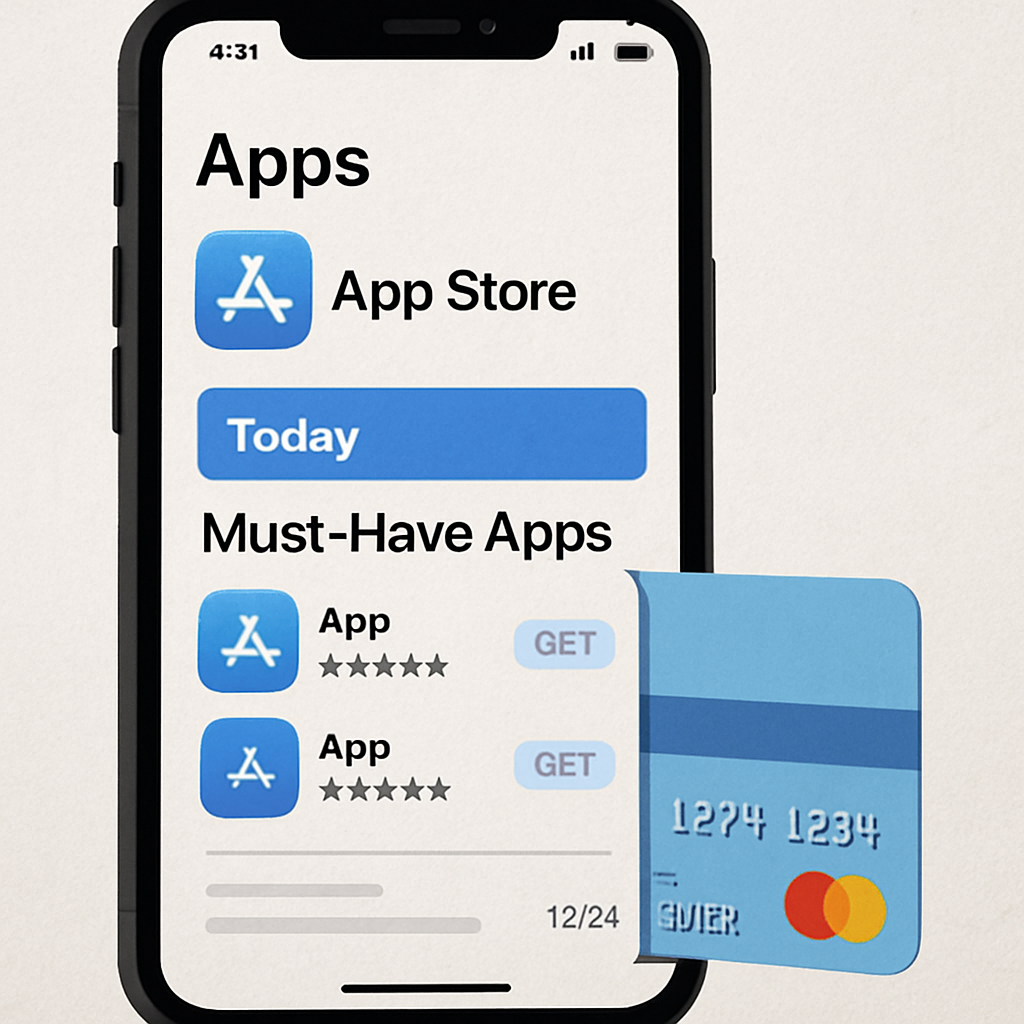
Apple has reinstated credit and debit card payment options for App Store and iCloud services in India, marking the end of a five-year suspension. This change allows Indian users to once again utilize their cards for subscriptions, in-app purchases, and other transactions within Apple’s ecosystem.
The suspension began in 2021 when Apple ceased accepting card payments in response to the Reserve Bank of India’s (RBI) card tokenization mandate. This regulation required that only card networks store tokenized data, which must be housed locally within India. Consequently, Apple removed card payment options and directed users toward alternative methods such as the Unified Payments Interface (UPI) and net banking.
In the interim, Apple worked to align its payment systems with the RBI’s requirements. By implementing the necessary changes to comply with the tokenization rules, Apple has now reintroduced card payment options. The company is currently testing this feature with a select group of users and plans to roll it out to all Indian customers over the coming months.
Despite this progress, the launch of Apple Pay in India remains pending. Discussions between Apple and local banks have been ongoing, with challenges arising over commission rates and regulatory compliance. Notably, Apple’s approach to data storage has been a point of contention. While the company maintains payment data locally in countries like the US, Denmark, and China, it lacks a data center in India. This absence has complicated efforts to meet the RBI’s stringent data localization requirements, delaying Apple Pay’s introduction in the Indian market.
The reinstatement of card payments is a significant development for Apple and its Indian user base. It not only enhances the convenience of transactions but also signals Apple’s commitment to adapting to local regulatory landscapes. As the company continues to navigate these complexities, the potential launch of Apple Pay in India remains a focal point. Observers will be keen to see how Apple addresses the remaining hurdles to bring its full suite of payment services to one of the world’s largest and fastest-growing digital markets.