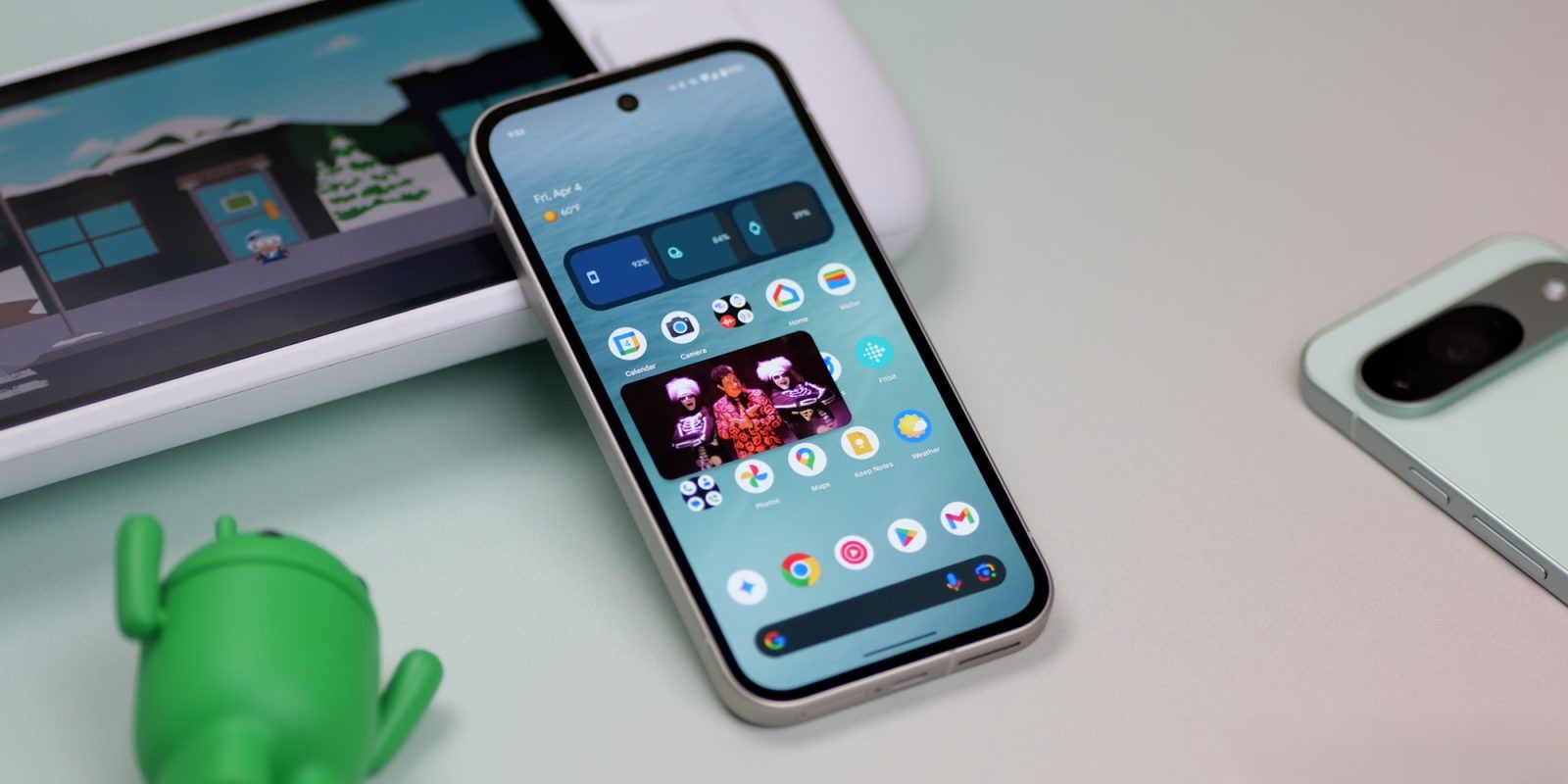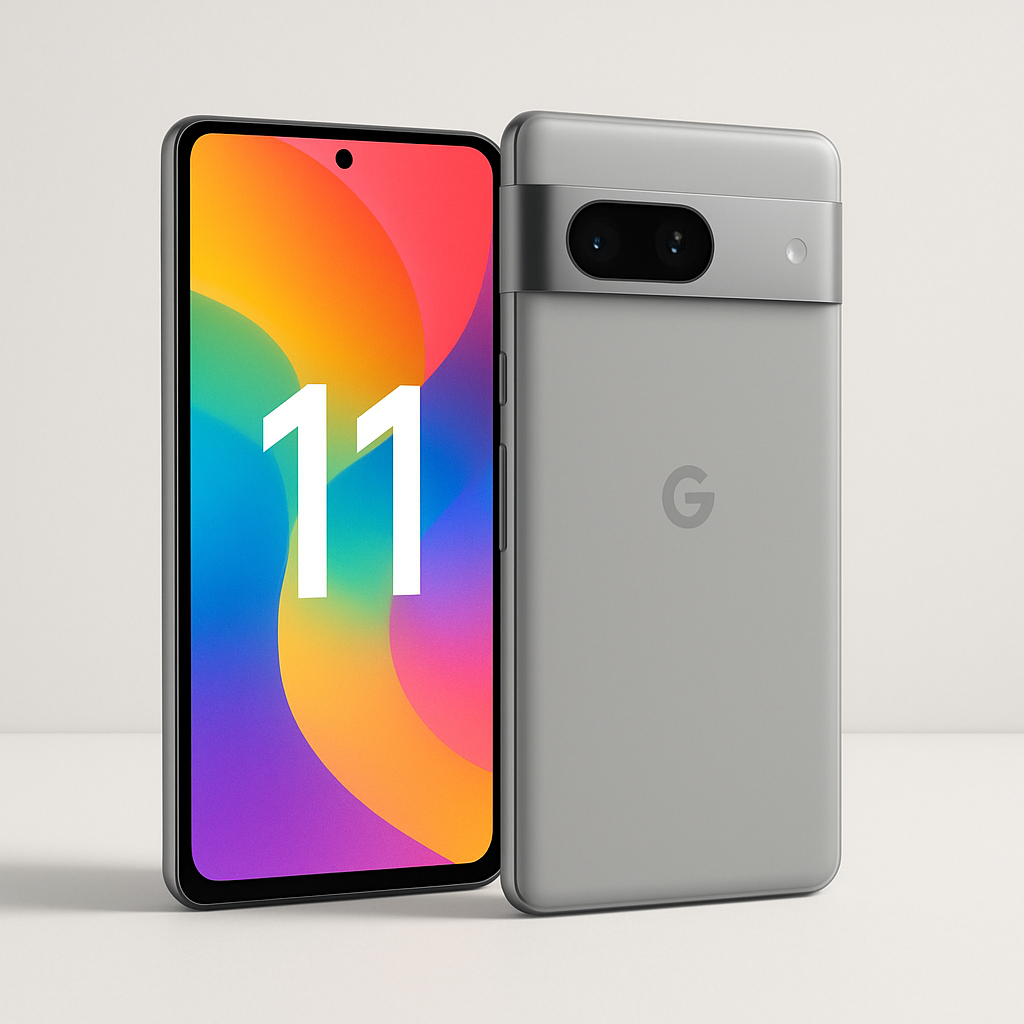
As the release of Google’s Pixel 11 series approaches, it appears that the tech giant is opting for continuity over radical change. The upcoming lineup is expected to maintain the design language introduced with the Pixel 6, featuring the distinctive camera bar that has become a hallmark of the series. This decision suggests a commitment to a design identity that has resonated with users, even as the broader smartphone market often anticipates annual overhauls.
The Pixel 11 series is anticipated to include several models: a 6.3-inch base Pixel 11, a 6.3-inch Pixel 11 Pro, a 6.8-inch Pixel 11 Pro XL, and a Pixel 11 Pro Fold. While these devices will retain familiar dimensions and aesthetics, they are set to receive incremental hardware upgrades. Notably, display brightness levels are expected to see improvements, with the Pixel 11 reaching up to 2,200 nits and the Pro models achieving up to 2,450 nits. These enhancements aim to provide better visibility in various lighting conditions.
However, the ongoing global RAM and storage shortages may impact the specifications of the new models. Leaks suggest that the base Pixel 11 could ship with 8GB of RAM, while the Pro variants might see a reduction from 16GB to 12GB. Despite these potential constraints, the devices are expected to deliver performance that aligns with user expectations.
In terms of software, the Pixel 11 will debut with Android 17, introducing features designed to enhance user experience and privacy. While specific details about the new software capabilities remain under wraps, users can anticipate improvements that build upon the foundation laid by previous Android iterations.
Google’s decision to maintain a consistent design across multiple generations reflects a strategic focus on establishing a recognizable brand identity. This approach mirrors strategies employed by other industry leaders, where design consistency fosters brand loyalty and simplifies the manufacturing process. By refining existing designs and focusing on software and hardware optimizations, Google aims to offer a polished and reliable product that meets the needs of its user base.
As the smartphone market matures, the emphasis on groundbreaking design changes has diminished. Instead, manufacturers are prioritizing incremental improvements that enhance user experience without disrupting familiarity. Google’s strategy with the Pixel 11 aligns with this trend, suggesting that the company is confident in the strength of its current design language and the value it offers to consumers.
In conclusion, while the Pixel 11 may not introduce a radical redesign, its subtle enhancements and commitment to a proven design philosophy indicate a focus on delivering a cohesive and refined user experience. This approach may appeal to users who value consistency and reliability in their devices.