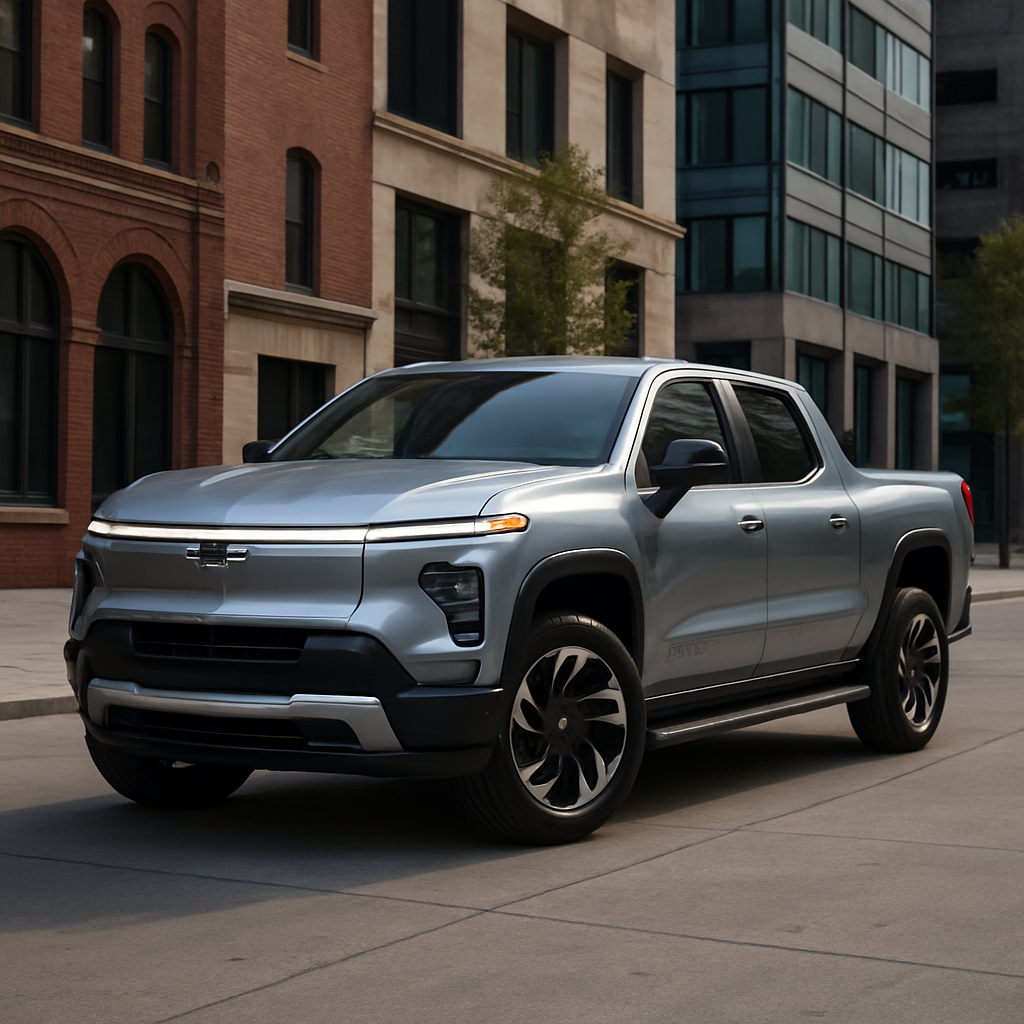
Chevrolet’s foray into the electric pickup market with the Silverado EV has not met the anticipated success, despite its impressive features and capabilities. The vehicle boasts a substantial cargo bed, a spacious front trunk, and a roomy back seat, all while delivering a driving experience akin to a traditional car. Additionally, it offers over 400 miles of range on a single charge and includes advanced features like hands-free driving and vehicle-to-home power capabilities.
However, sales figures tell a different story. In the previous year, General Motors reported approximately 14,000 units sold across the U.S. and Canada. This figure pales in comparison to the traditional gasoline-powered Silverado, which sells ten times that amount in a single quarter. The disparity raises questions about the factors contributing to the Silverado EV’s underperformance in the market.
One potential factor is the vehicle’s design. The Silverado EV’s appearance has drawn comparisons to the earlier Chevy Avalanche, featuring four doors, a short bed extendable into the cabin, and a distinctive ‘sail’ between the cabin and the bed to reduce drag. While some may appreciate this design, others might find it less appealing, impacting consumer interest.
Inside, the Silverado EV offers a spacious and comfortable cabin, equipped with crisp, responsive screens and a Google-powered infotainment system. The inclusion of physical controls for volume and temperature, along with well-functioning voice commands, enhances the user experience. Despite these attributes, the vehicle’s substantial size, nearly 20 feet in length, can pose challenges in urban environments, particularly when parking in tight spaces.
Another consideration is the vehicle’s pricing. The Silverado EV lineup includes various trims, with the base Work Truck starting under $55,000 and the off-road-oriented Trail Boss priced at $72,000. While these prices are competitive within the electric truck segment, they may still be a barrier for some consumers, especially when compared to traditional gasoline-powered trucks.
In the broader context, the electric pickup market has experienced fluctuations. For instance, the Ford F-150 Lightning led the segment with over 27,000 units sold in 2025, despite an 18.5% decline from the previous year. Meanwhile, the Tesla Cybertruck saw a significant 48.1% drop in sales, totaling just over 20,000 units. These trends indicate a competitive and evolving market landscape.
Chevrolet has made efforts to address these challenges by introducing new trims and adjusting pricing. The addition of the Trail Boss variant caters to off-road enthusiasts, and price reductions across the lineup aim to attract a broader customer base. However, the effectiveness of these strategies remains to be seen.
In conclusion, while the Silverado EV offers a compelling package of features and capabilities, its market performance suggests that factors such as design preferences, pricing, and competition within the electric truck segment play significant roles in consumer adoption. As the market continues to evolve, Chevrolet may need to further refine its approach to meet consumer expectations and drive sales growth.