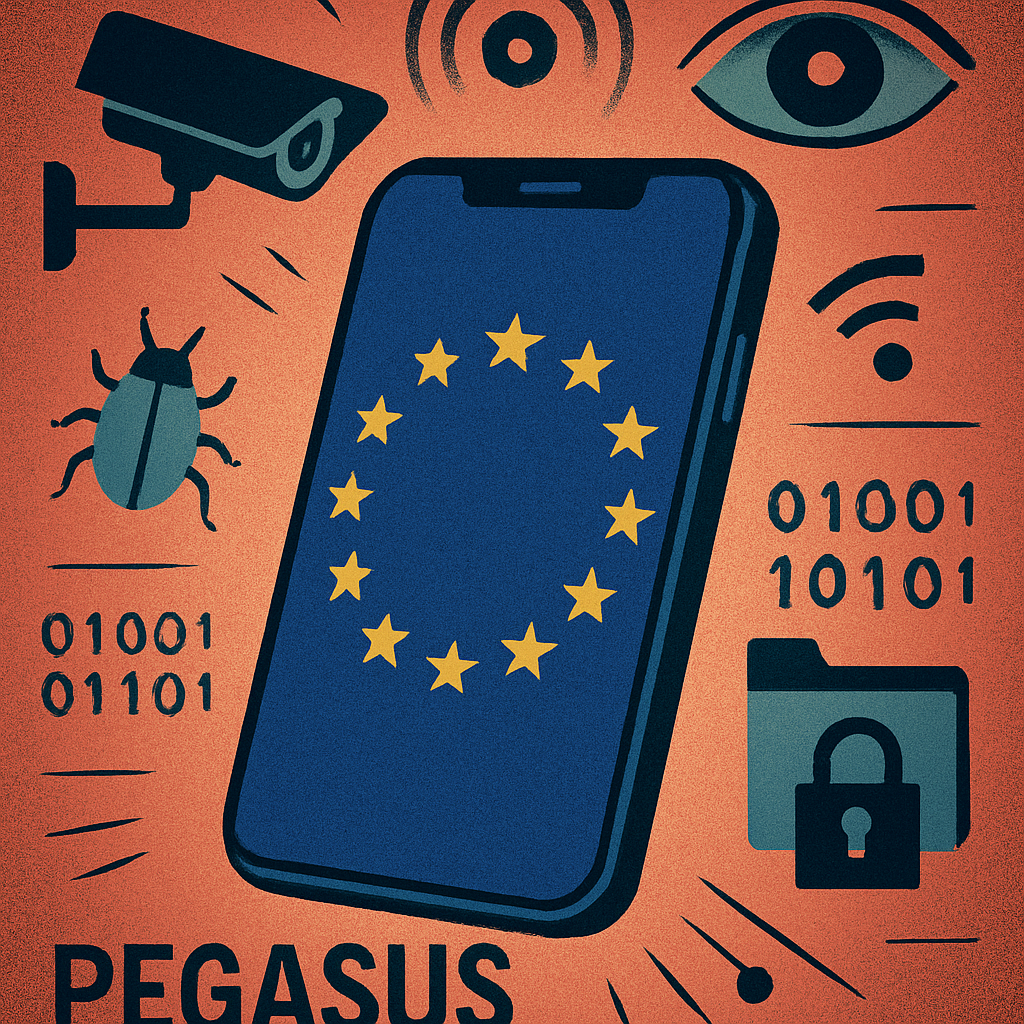
A Member of the European Parliament (MEP) has been identified as a victim of the notorious Pegasus spyware, developed by the Israeli firm NSO Group. This revelation underscores the persistent threat posed by sophisticated surveillance tools targeting high-profile individuals.
The MEP, who has chosen to remain anonymous, discovered the infection during a routine security check. The Pegasus spyware is known for its ability to infiltrate devices without user interaction, granting attackers access to messages, emails, and even the device’s microphone and camera.
NSO Group has consistently maintained that Pegasus is sold exclusively to government agencies for the purpose of combating terrorism and serious crime. However, numerous reports have documented its misuse against journalists, activists, and political figures worldwide.
In response to this incident, the European Parliament has initiated a comprehensive security review to assess the extent of the breach and to implement measures to prevent future occurrences. This includes enhancing cybersecurity protocols and providing MEPs with tools and training to detect and mitigate such threats.
The use of Pegasus spyware against a European legislator raises significant concerns about the security of communications within governmental institutions. It also highlights the challenges in regulating the sale and deployment of surveillance technologies that can be exploited for unauthorized surveillance.
As the investigation continues, there is a growing call for stricter oversight and accountability for companies that develop and distribute spyware. Ensuring that such powerful tools are not misused is crucial to protecting the privacy and security of individuals, especially those in positions of public trust.
This incident serves as a stark reminder of the vulnerabilities inherent in modern communication technologies and the need for constant vigilance against emerging cyber threats.