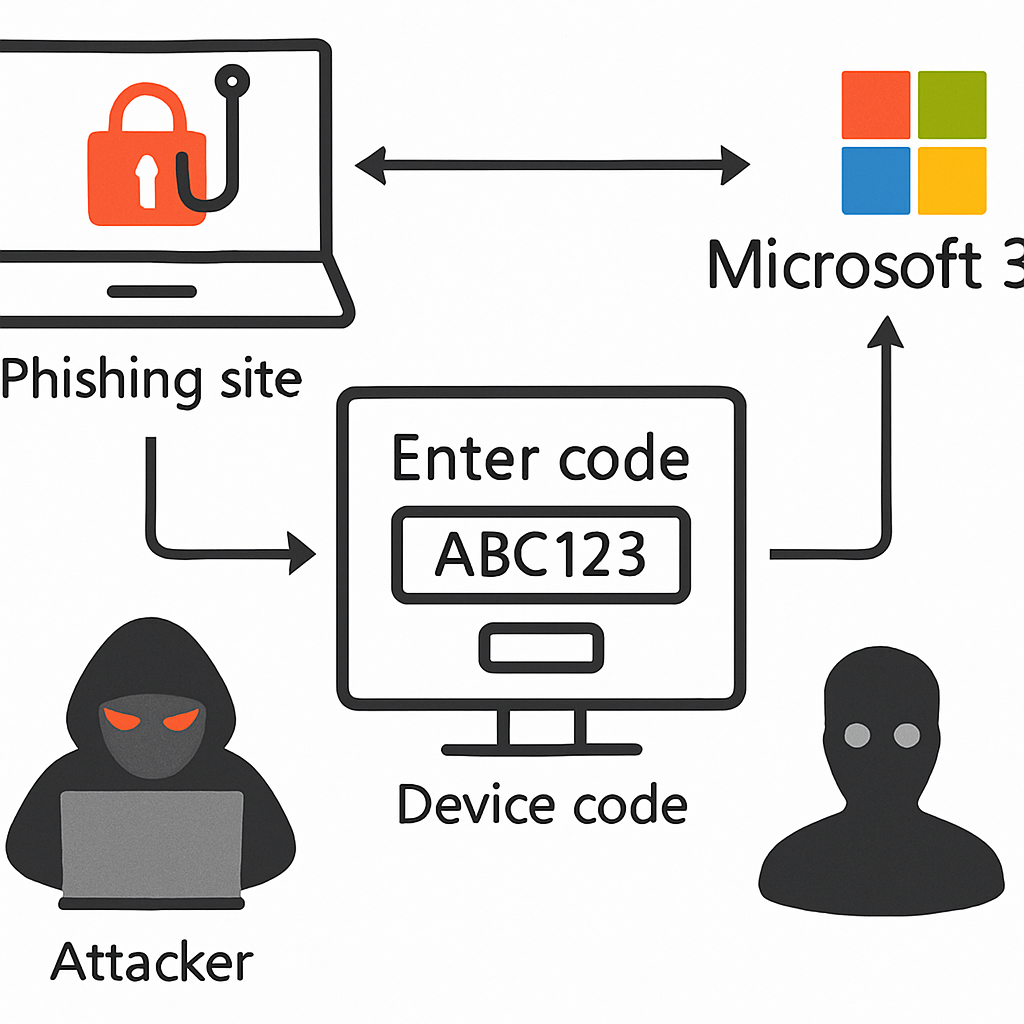
A newly identified phishing platform, ARToken, is enabling cybercriminals to hijack Microsoft 365 accounts by exploiting the OAuth 2.0 device code flow. This method allows attackers to gain unauthorized access without requiring victims’ passwords or multi-factor authentication (MFA) codes.
ARToken operates by leveraging a legitimate Microsoft authentication feature designed for devices lacking a keyboard or browser. Attackers initiate the process by sending phishing emails that appear to originate from trusted contacts or vendors. These emails often contain links that, while displaying legitimate URLs, redirect to attacker-controlled sites mimicking Microsoft’s device login page.
Upon clicking the link, victims are prompted to enter a device code on Microsoft’s genuine device login page. Unbeknownst to them, this action grants the attacker access tokens, effectively compromising their Microsoft 365 accounts. The ARToken panel provides cybercriminals with a comprehensive dashboard featuring over eighty functions, including the ability to refresh stolen tokens, read emails, and access files stored in SharePoint and OneDrive.
Security researchers have traced ARToken’s code and infrastructure back to the EvilTokens phishing-as-a-service platform, previously documented for similar exploits. This connection suggests that ARToken may be a rebranded or closely related variant, offering a more sophisticated interface and enhanced post-breach tools for affiliates.
Organizations are advised to implement stringent security measures to mitigate the risk of such attacks. Recommendations include:
- Disabling the device code flow in Microsoft 365 environments where it is not necessary.
- Educating employees about the dangers of unsolicited device code requests and the importance of verifying authentication prompts.
- Monitoring for unusual login activities and implementing conditional access policies to restrict access based on device compliance and location.
The emergence of platforms like ARToken underscores the evolving tactics of cybercriminals who exploit legitimate authentication processes to bypass traditional security measures. Organizations must remain vigilant and adapt their security strategies to counter these sophisticated threats.