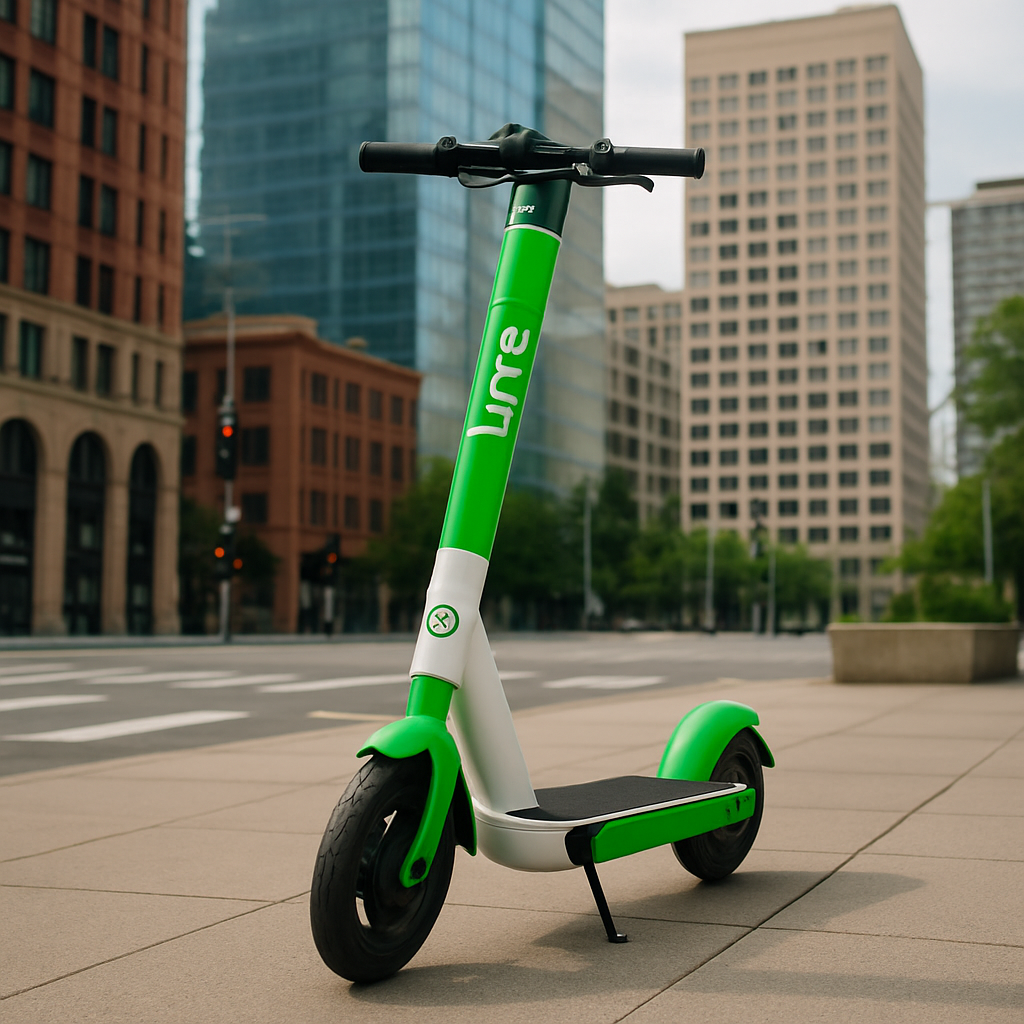
After years of anticipation, Lime, the micromobility company known for its electric scooters and bikes, has successfully gone public, raising $167 million through its initial public offering (IPO). The company sold 6.68 million shares at $25 each, positioning its valuation at approximately $1.66 billion. Trading commenced on the Nasdaq under the ticker symbol “LIME,” with shares experiencing an initial uptick of around 9% within the first hour.
Founded in 2017, Lime has expanded its operations to over 230 cities across 29 countries, offering short-term rentals of electric bikes and scooters. The company’s journey to the public market has been marked by significant financial challenges and industry volatility. In its IPO filing, Lime disclosed concerns about its ability to continue as a going concern, citing liabilities nearing $1 billion, with over half due by the end of the year. The proceeds from the IPO are intended to address these financial obligations.
The micromobility sector has faced considerable turbulence in recent years. Competitors like Bird have filed for bankruptcy protection, while others have merged or ceased operations entirely. Despite this, Lime has demonstrated resilience, reporting revenue growth from $521 million in 2023 to $886.7 million in 2025. However, net losses have fluctuated, with a reduction from $122.3 million in 2023 to $33.9 million in 2024, before rising again to $59.3 million in 2025.
Uber, a significant stakeholder owning 24% of Lime, has played a pivotal role in the company’s ecosystem. In 2025, Uber accounted for more than 14% of Lime’s revenue, primarily through integration that allows users to book Lime rides via the Uber app in select cities.
CEO Wayne Ting expressed optimism about the company’s future, emphasizing the importance of resilience and strategic timing in achieving this milestone. He highlighted the company’s focus on building a sustainable, profitable, and cash flow-positive business over the past three years as key factors in deciding to go public.
Lime’s successful IPO amid a challenging industry landscape underscores the company’s adaptability and strategic planning. As the micromobility market continues to evolve, Lime’s public debut provides it with the necessary capital to address existing liabilities and invest in future growth. Observers will be keen to see how Lime leverages this opportunity to solidify its position in the competitive urban transportation sector.