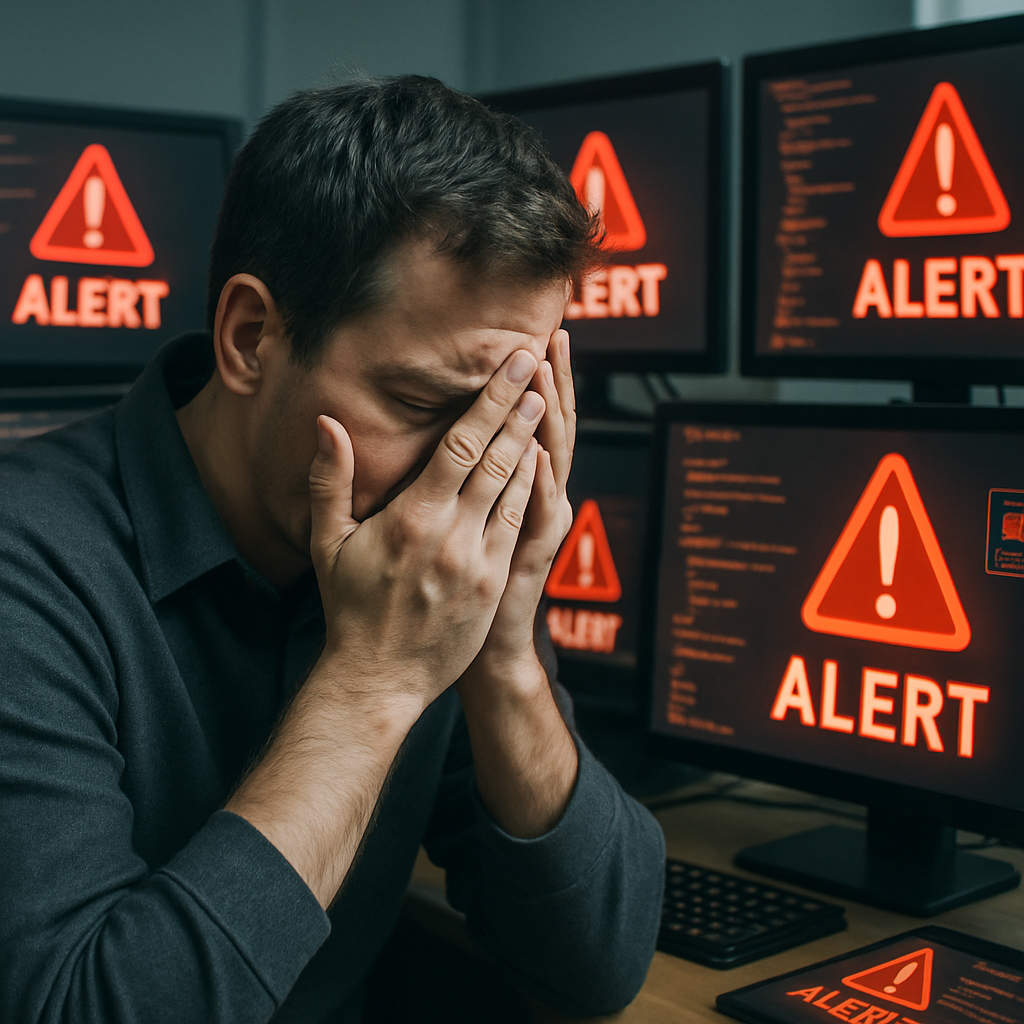
In today’s digital landscape, organizations deploy numerous security monitoring tools to safeguard their systems. However, this proliferation often leads to an overwhelming volume of alerts, many of which are false positives. This phenomenon, known as alert fatigue, poses significant challenges to cybersecurity teams.
Alert fatigue occurs when security personnel become desensitized to the constant stream of notifications, resulting in slower response times, missed genuine threats, and increased burnout among staff. The consequences are multifaceted and costly.
Operational Inefficiencies
Security teams inundated with alerts spend excessive time triaging and investigating false positives. This not only diverts attention from actual threats but also leads to longer mean time to resolution (MTTR) for incidents. Studies indicate that organizations experiencing high alert noise have MTTRs three to four times longer than those with more refined alert systems.
Financial Implications
The financial burden of alert fatigue is substantial. For instance, a team of six Site Reliability Engineers (SREs) handling 42 pages per week each, with a 70% false positive rate, incurs an annual direct cost of approximately $668,369. This figure encompasses wasted engineering hours and the potential for increased turnover due to burnout.
Human Resource Challenges
Continuous exposure to non-actionable alerts contributes to employee burnout and attrition. On-call engineers, frequently disrupted by false alarms, experience degraded sleep and elevated stress levels. This environment fosters resentment towards on-call duties and can lead to higher turnover rates, further exacerbating the strain on remaining team members.
Missed Critical Incidents
When genuine threats are buried under a deluge of false positives, the likelihood of missing critical incidents increases. This oversight can result in significant security breaches, leading to data loss, reputational damage, and regulatory penalties. The average cost of a data breach reached $4.9 million in 2024, underscoring the financial risks associated with missed incidents.
Addressing Alert Fatigue
To mitigate the effects of alert fatigue, organizations should consider the following strategies:
- Implement AI-Powered Triage: Utilize artificial intelligence to filter and prioritize alerts, reducing the volume of false positives and ensuring that critical threats receive immediate attention.
- Optimize Detection Rules: Regularly review and adjust detection thresholds to minimize unnecessary alerts. This involves setting dynamic thresholds that adapt to normal system behavior, thereby reducing noise.
- Consolidate Monitoring Tools: Streamline the number of monitoring tools in use to prevent duplicate alerts and reduce complexity. A unified platform can provide a more coherent view of security events.
- Provide Contextual Information: Ensure that alerts include relevant context, such as asset ownership and potential business impact, to facilitate quicker and more accurate assessments by analysts.
By adopting these measures, organizations can enhance their security posture, improve operational efficiency, and foster a healthier work environment for their cybersecurity teams.
In conclusion, alert fatigue is a pervasive issue with far-reaching implications. Addressing it requires a concerted effort to refine alerting systems, leverage advanced technologies, and prioritize the well-being of security personnel. Organizations that proactively tackle alert fatigue will be better positioned to respond to genuine threats and maintain robust cybersecurity defenses.