Apple’s recent announcement of iPadOS 27 has brought significant enhancements to the iPad experience. However, this update also marks the end of software support for several older iPad models, leaving many users concerned about the longevity and performance of their devices.
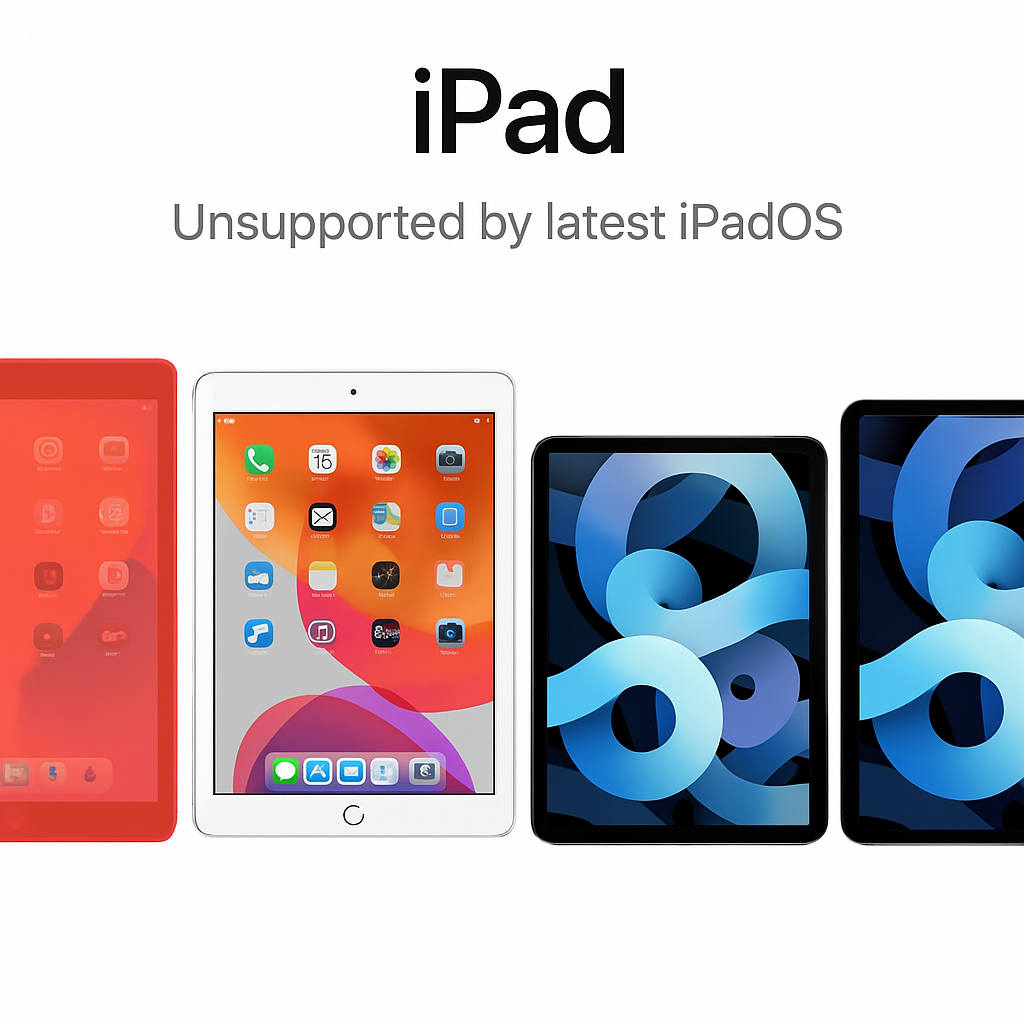
The following iPad models will not receive the iPadOS 27 update:
- iPad (8th generation) – Released in 2020
- iPad Air (3rd generation) – Released in 2019
- iPad mini (5th generation) – Released in 2019
- iPad Pro 11-inch (1st generation) – Released in 2018
- iPad Pro 12.9-inch (3rd generation) – Released in 2018
These devices, powered by A12 or A12X chipsets, have been excluded from the latest update, despite their relatively recent release dates. While Apple has provided substantial software support for these models over the years, the decision to discontinue updates raises questions about device longevity and user experience.
One potential solution to address this issue is allowing users to downgrade their devices to earlier, more stable versions of iPadOS. Currently, Apple restricts downgrades by unsigning older firmware versions, primarily for security reasons. However, Apple continues to release security updates for older operating systems, such as iPadOS 18.7.9, which was released alongside iPadOS 26.5. This suggests that earlier versions remain viable and secure options for users.
Another approach could involve extending iPadOS 27 support to these older models. While unprecedented, Apple has previously adjusted its support policies in response to user feedback. For instance, during the iPadOS 16 beta cycle, Apple expanded Stage Manager support to include 2018 and 2020 iPad Pro models after initially limiting it to M1 chip devices. This demonstrates Apple’s willingness to reconsider support decisions under certain circumstances.
As Apple continues to push the boundaries of its hardware and software capabilities, it’s crucial to balance innovation with user inclusivity. Ensuring that a broader range of devices remains supported not only enhances user satisfaction but also reinforces Apple’s commitment to longevity and sustainability in its product lineup.